
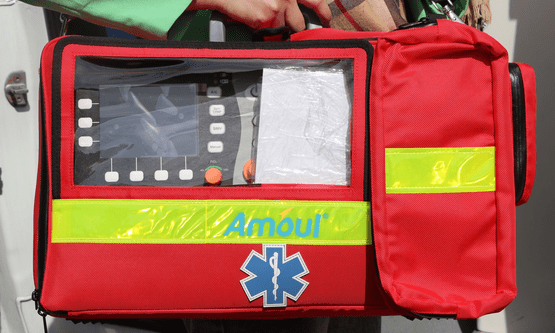
January 14, 2026 (KHARTOUM) – Fath al-Rahman Mohammed al-Amin, the Director General of the Khartoum State Ministry of Health, stated that 99% of war-related debris and human remains have been removed from the state thanks to the joint work of the Forensic Medicine Authority, Civil Defence units, and the Sudanese Red Crescent Society.
In December of last year, a representative from the health ministry informed Sudan Tribune that the Forensic Medicine Authority had retrieved and moved 15,000 corpses from residential areas and schools since April 2024. This extensive recovery operation highlights the magnitude of the humanitarian crisis the country encountered throughout the conflict.
The Ministry of Health initiated a significant winter emergency and disease vector control campaign in Greater Omdurman on Wednesday to tackle persistent public health threats. The program is backed by the Humanitarian Aid Commission and Save the Children’s Khartoum office.
At the time of the launch, the director general highlighted that the campaign comes at a crucial moment for preventing disease outbreaks. He mentioned that the ministry is working to eradicate disease carriers and greatly lower infection and death rates over the next two weeks.
A one-month initiative features a sanitation campaign every two weeks on Saturdays and Tuesdays throughout the state. Additionally, teams will carry out home inspections aimed at preventing the spread of mosquitoes that transmit dengue fever.
Al-Amin commended healthcare workers, referring to them as the “White Army” due to their efforts in rescuing and caring for the injured during ongoing fighting. He mentioned that teams responsible for environmental cleanliness and controlling disease vectors kept working throughout the conflict until the region was free from rebel forces.
The Khartoum government had previously stated that these actions were essential to manage the humanitarian impact of the conflict. They claimed that the Rapid Support Forces had blocked people from reaching approved cemeteries, leading residents to bury the dead in public areas, schools, mosques, and private residences.
Provided by SyndiGate Media Inc.Syndigate.info).

 jasdooit
Leave a comment