
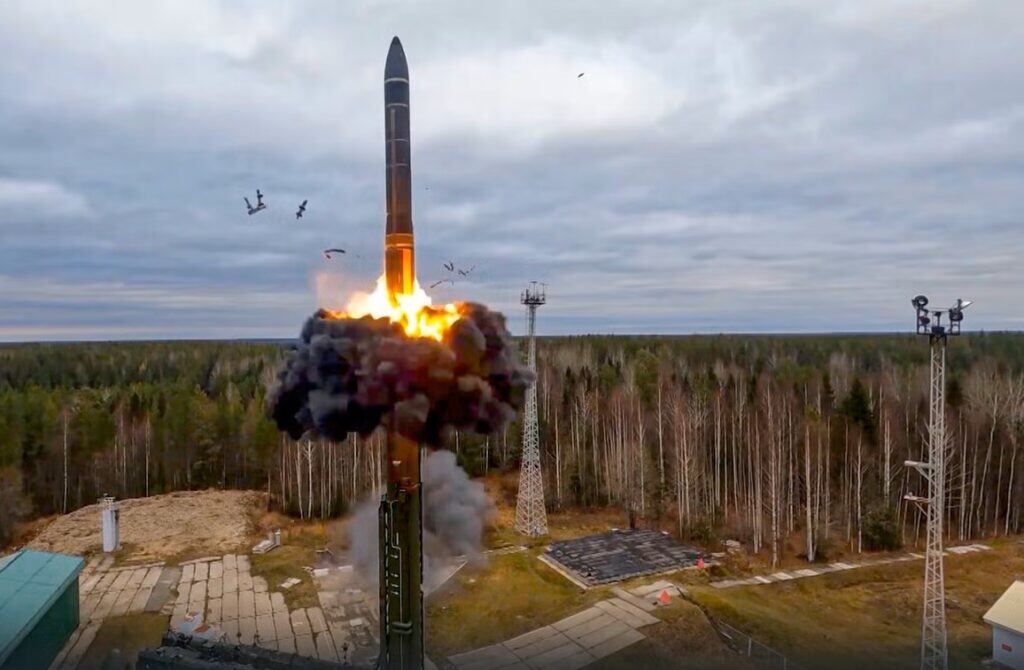
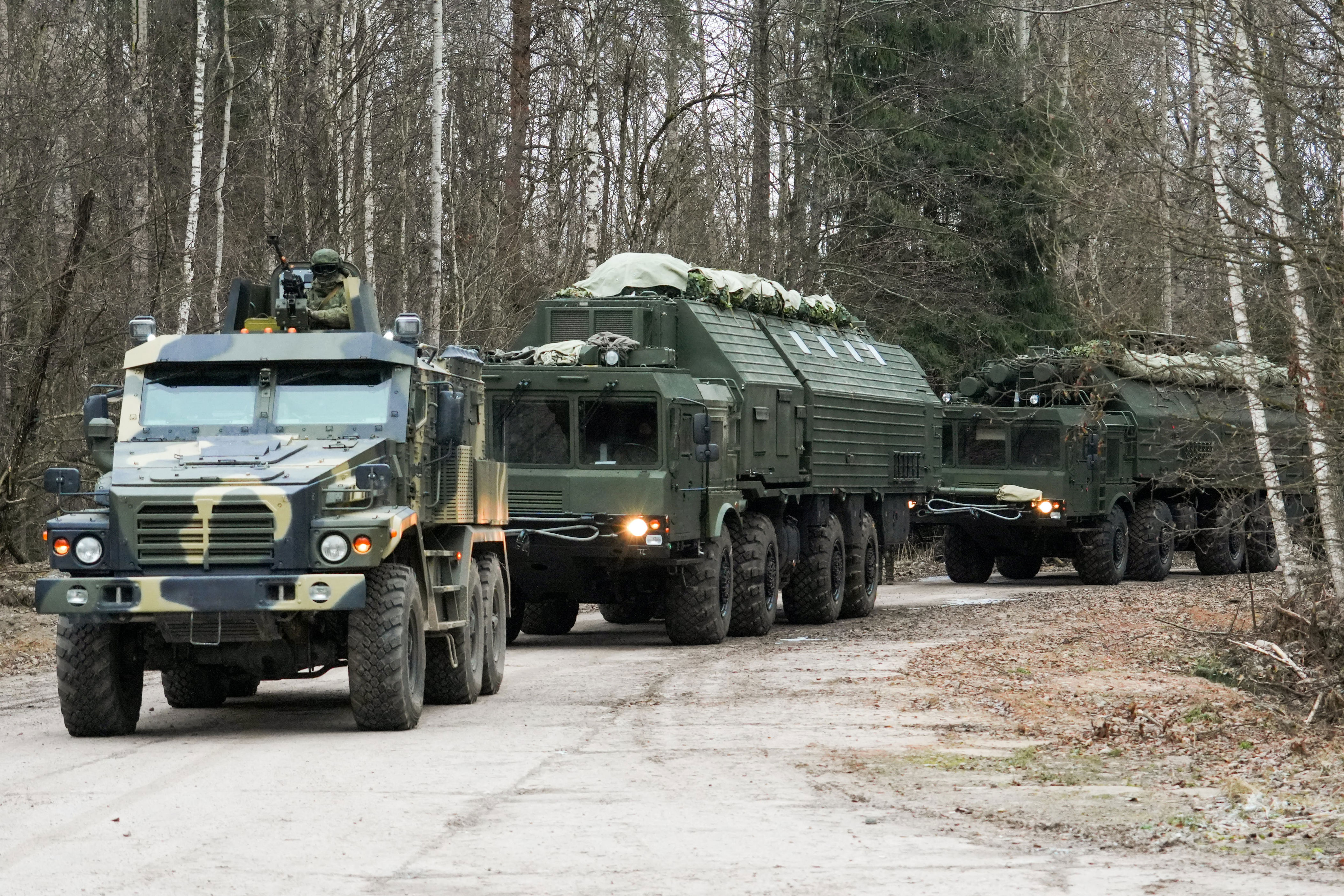
On the 9th, Russia targeted Lviv, a significant western Ukrainian city close to the Polish border, using Oreshnik missiles that were stationed in Belarus.
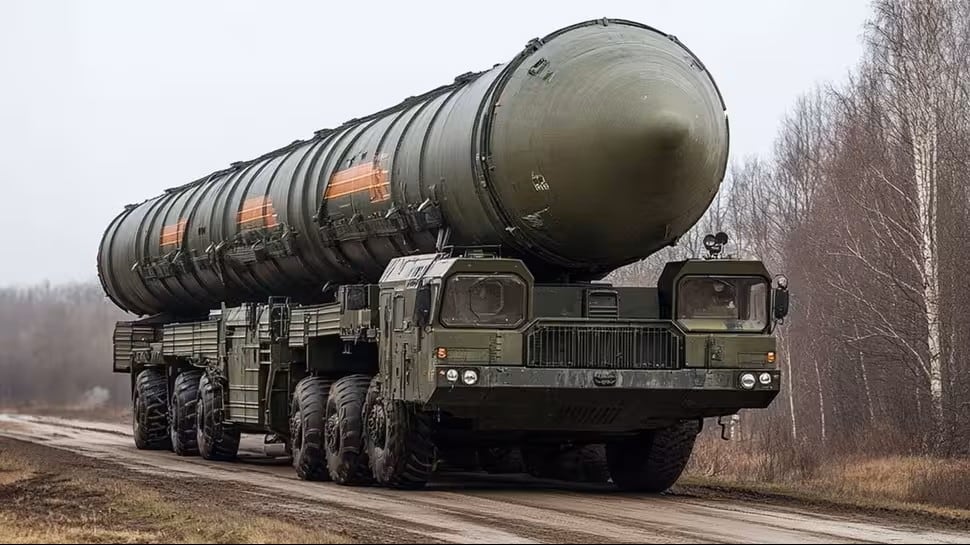
The Oreshnik is a mid-range ballistic missile designed to carry six separate nuclear warheads. It enters the atmosphere at speeds over ten times that of sound, making it very challenging to intercept during its final descent. When fired from Belarus, it can strike the capitals of significant European nations in approximately 6 to 7 minutes.
This is a new strategic medium-range missile designed for a “third world war,” initially deployed by Russia in Ukraine in 2024, following the U.S. exit from the Intermediate-Range Nuclear Forces (INF) Treaty in 2019, which prohibited ground-based ballistic and cruise missiles with ranges between 500 and 5,500 kilometers.
Russia had no genuine military necessity to target Lviv with the Oreshnik, a weapon that offers limited effectiveness unless it is fitted with nuclear warheads. More cost-effective weapons could have been used instead. Furthermore, as the Oreshnik is managed by Russia’s Strategic Rocket Forces, Moscow usually alerts the U.S. before launching to prevent misunderstandings and potential counterattacks. It was later discovered that the Oreshnik missile employed in this strike had non-explosive dummy warheads.
However, Putin decided to use this missile as the circumstances have grown increasingly “humiliating” for Russia. In Venezuela, where Russia has spent decades building a presence in South America, Nicolás Maduro was suddenly taken into custody by U.S. forces. Peace talks facilitated by Trump, which Russia had anticipated would benefit its interests, are no longer a top priority for him. Although Trump has generally been favorable toward Putin, he has never been a “useful fool.”
Additionally, on the 11th, Russia’s “special military operation” in Ukraine exceeded the length of the Nazi-Soviet War (1,418 days) initiated by Hitler during World War II. Another significant ally, Cuba, is also facing difficulties, yet Russia does not have the naval capability to provide support. Russia’s military attention continues to be limited to the Ukrainian border.
In this scenario, Putin conveyed a “warning” using a missile capable of triggering a third world war: “Russia is still a superpower, and Putin maintains authority.”
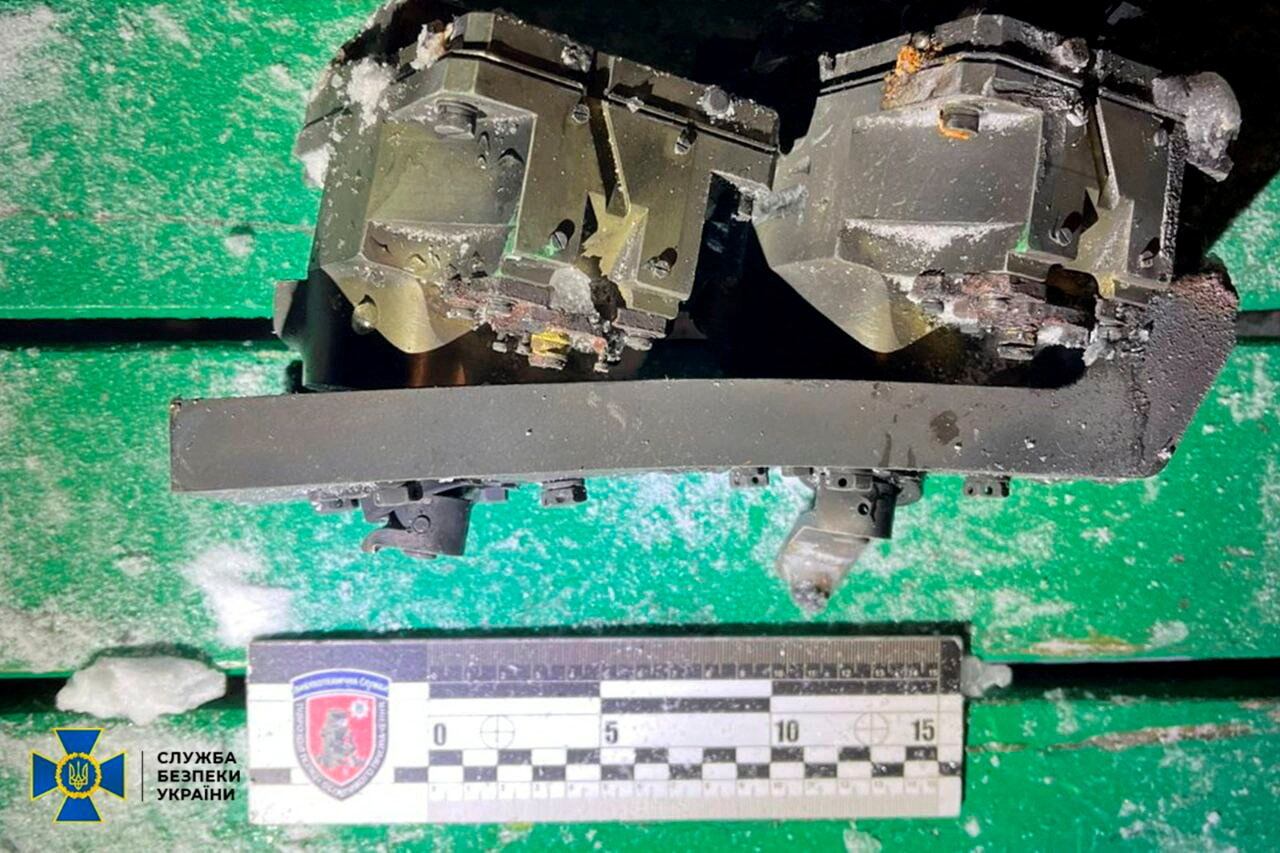
This marked the second instance of the Oreshnik missile being used, after it was deployed against industrial sites in Dnipro, Ukraine, in November 2024. At that time, Putin stated the missile was “unstoppable” and presented its deployment as a reaction to NATO removing limitations on missile ranges for attacks on Russian territory.
◇ Maduro, a long-established ally, was captured
Following Trump’s re-election, Russia has encountered heightened U.S. sanctions. Putin had anticipated that Trump’s isolationist approach to foreign policy would lead the United States to disengage from global matters, but during last Christmas, Trump targeted ISIS camps in northwestern Nigeria, citing alleged massacres of Christians. On January 10, he carried out extensive air strikes on ISIS strongholds in Syria.
In a surprising development, Nicolás Maduro, the Venezuelan leader who has received $35 billion in Russian military support over 20 years, was taken into custody and sent to the U.S. by the Army’s Delta Force. Meanwhile, Russia’s more than ten efforts to kill or kidnap Ukrainian President Volodymyr Zelenskyy have all come to nothing.
As Venezuela comes under U.S. influence, it remains unclear whether the $3.15 billion in loans provided by Russia to Maduro’s government will be repaid. The Russian air defense systems, which were largely funded by this aid, did not manage to shoot down a single U.S. aircraft during the “Absolute Resolve” operation, which included more than 150 military planes.
◇ U.S. confiscates Russian ship even with a nearby submarine
The United States also seized the Russian-registered tanker Bella-1 in the North Atlantic, located between the U.K. and Iceland on the 7th, following a two-week tracking period despite diplomatic appeals from Russia to refrain from such actions.Video of seizure)
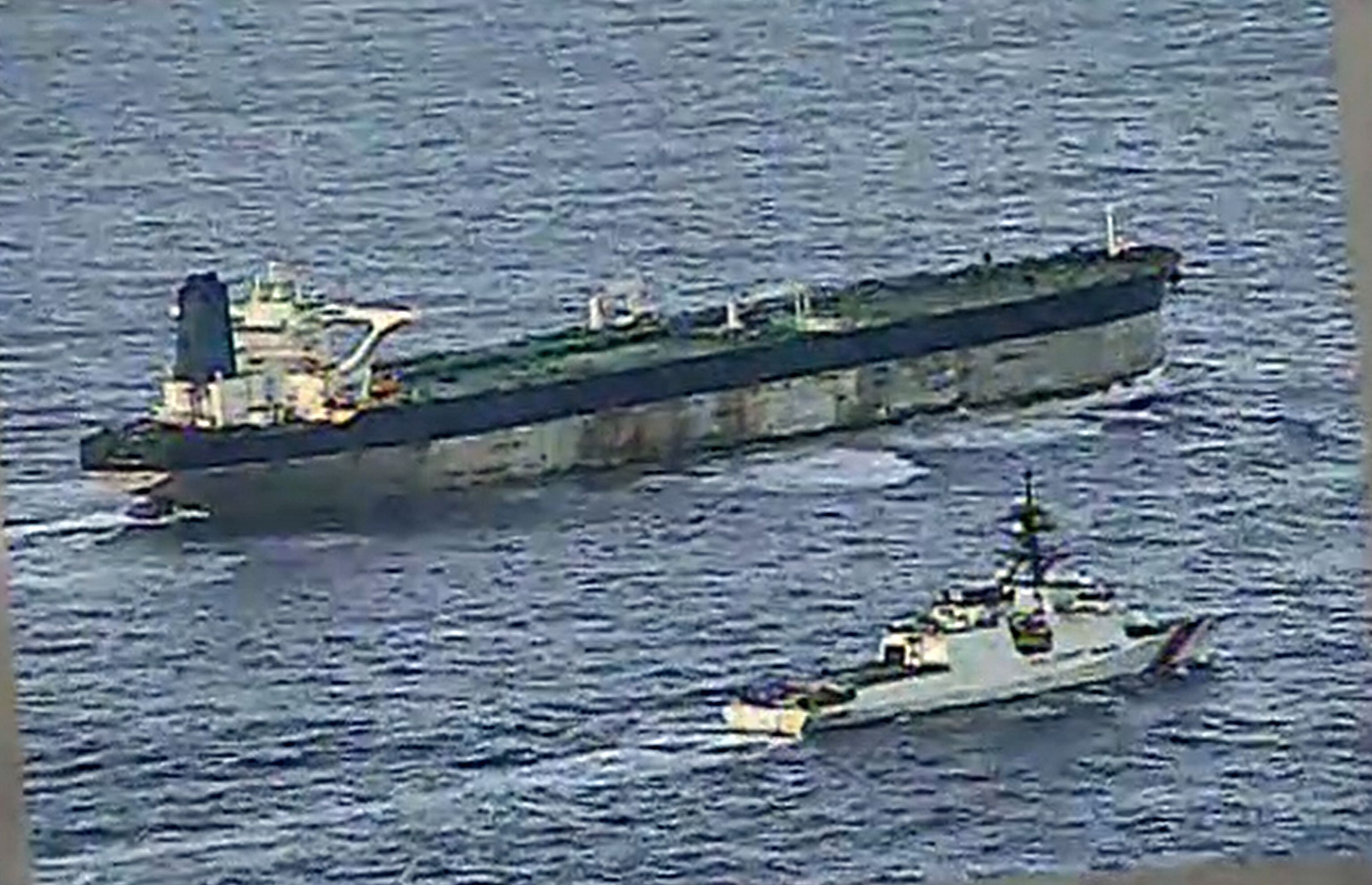
A vessel transporting Venezuelan crude oil, which is subject to U.S. sanctions, had deactivated its Automatic Identification System (AIS) to avoid being tracked while heading towards Venezuela. While escaping, it changed its flag to Russian and was renamed Marinera. A Russian submarine was in the vicinity during the capture, yet the U.S. carried out the operation anyway. This was the first instance of a Russian-flagged tanker being seized by the United States.
Russia’s setbacks were not over. Despite signing a wide-ranging military cooperation agreement with Cuba in March of last year, it lacks the capability to stop a U.S. sudden attack on the island.
◇ Trump: “Arrest Putin? No need. Disappointed, but…”
U.S. statements regarding Russia have become mockingly “humiliating.” Pete Hegseth, the U.S. Secretary of Defense, made a joke about the Venezuelan operation: “Russia’s air defenses didn’t function very well, did they?”
Two days following Sergei Lavrov, Russia’s foreign minister, who strongly criticized the U.S. regarding Maduro’s arrest, Marco Rubio, the U.S. Secretary of State, was questioned about the potential for increased tensions with Russia. “We aren’t concerned about Russia escalating,” he stated. “We anticipated that Russia would only offer verbal support to the Maduro regime. If Lavrov is listening, ‘Merry Christmas, Sergei! (*Russian Orthodox Christmas falls on January 7)’”
On the 10th, President Trump was questioned by a Fox News journalist during a gathering with American oil executives regarding Zelenskyy’s proposal to capture Putin. Trump responded, “I don’t believe that’s essential. We have consistently maintained a very positive relationship, although I’ve been quite let down.” This statement might be interpreted as an insult to Putin.
In the end, Russia issued a “warning letter” to the U.S. and NATO partners, featuring a strategic missile carrying fake warheads. Leaders from the U.K., France, Germany, and the EU’s foreign policy head all criticized the deployment of the Oreshnik missile as a “clear and dangerous escalation.”
Glenn Grant, a security specialist with the Baltic Security Foundation in Latvia, stated, “Russia’s message—demonstrating the use of a costly supersonic weapon against targets that could be handled by drones or traditional missiles—is that following Lviv, Warsaw (Poland), Riga (Latvia), and Tallinn (Estonia) might be next.”
However, The Atlantic Monthlycautioned on the 15th that “Putin’s statement reinforcing Russian strength does not align with the updated version of Trump and might instead drive two elderly leaders, accumulating nuclear arms, toward the most perilous degree of reciprocal tension since the Cold War.”


 jasdooit
Leave a comment