
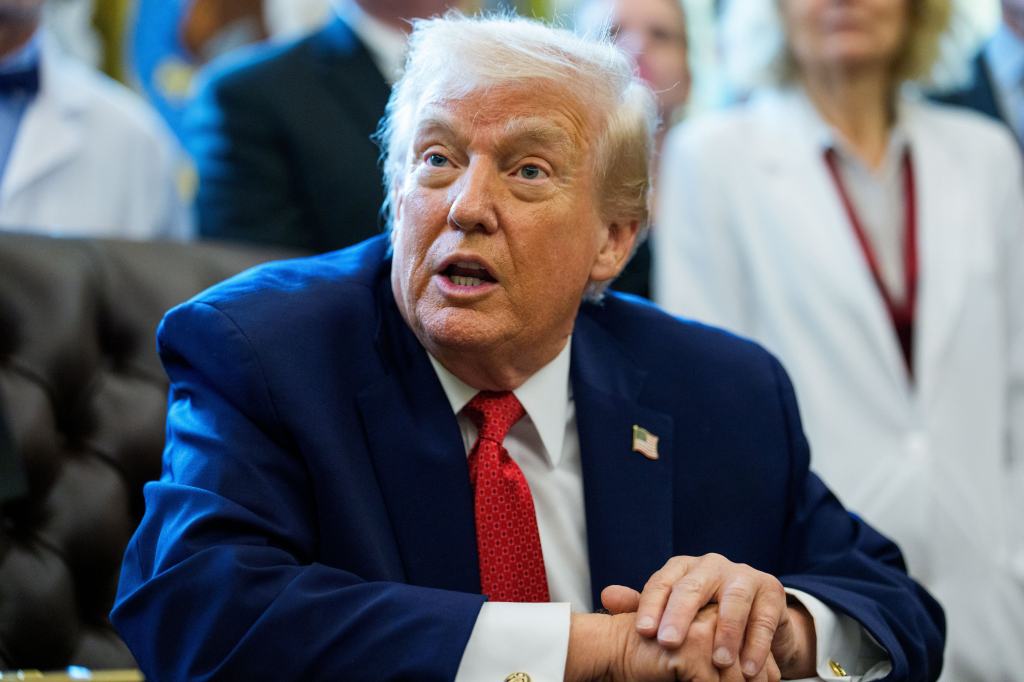
U.S. President Trump issued a proclamation on the 14th (local time) that introduced a 25% tariff on semiconductors made overseas, imported into the United States, and subsequently exported to other nations, including NVIDIA’s AI chip ‘H200.’ The H200 AI chip, produced by Taiwan’s TSMC and entering the U.S., will be subject to the 25% export tax when shipped to China, provided it is not used within the domestic market.
The administration of Trump, which had prohibited the export of semiconductor technology to China, permitted the shipment of non-very advanced AI chips such as NVIDIA’s Blackwell or Rubin to China towards the end of last year, with a 25% tax imposed in exchange. This agreement makes that announcement official.
The worldwide semiconductor sector is paying more attention to the White House’s remarks than the 25% tariff itself. The White House said, “President Trump could introduce wider tariffs on semiconductor and related product imports to encourage local production in the near term,” and also mentioned, “A tariff reimbursement scheme will offer reduced tariffs to firms manufacturing semiconductors within the country or investing in segments of the supply chain.”
The U.S. government has reactivated its earlier warning to impose 100% tariffs on firms that do not establish semiconductor manufacturing plants within the country, and to apply tariffs to electronic products incorporating semiconductors. A representative from the local semiconductor sector stated, “The semiconductor tariff threat started under Trump, which had diminished last year, appears to be coming back.”
As of 2024, South Korea’s semiconductor exports to the United States reached $10.6 billion (about 15 trillion South Korean won), placing it third among the country’s exports to the U.S. The growth in semiconductor exports to the U.S. is being fueled by rising demand from the AI sector. Should tariffs be introduced, the South Korean semiconductor sector is likely to face significant consequences.
The authorities convened an urgent meeting on the 15th to address potential responses. Kim Jung-kwan, the Minister of Trade, Industry and Resources, directed the department, “Keep a constant watch on the situation, maintain close contact with the industry to assess consequences, and take full action to reduce impacts on our sectors.”


 jasdooit
Leave a comment