
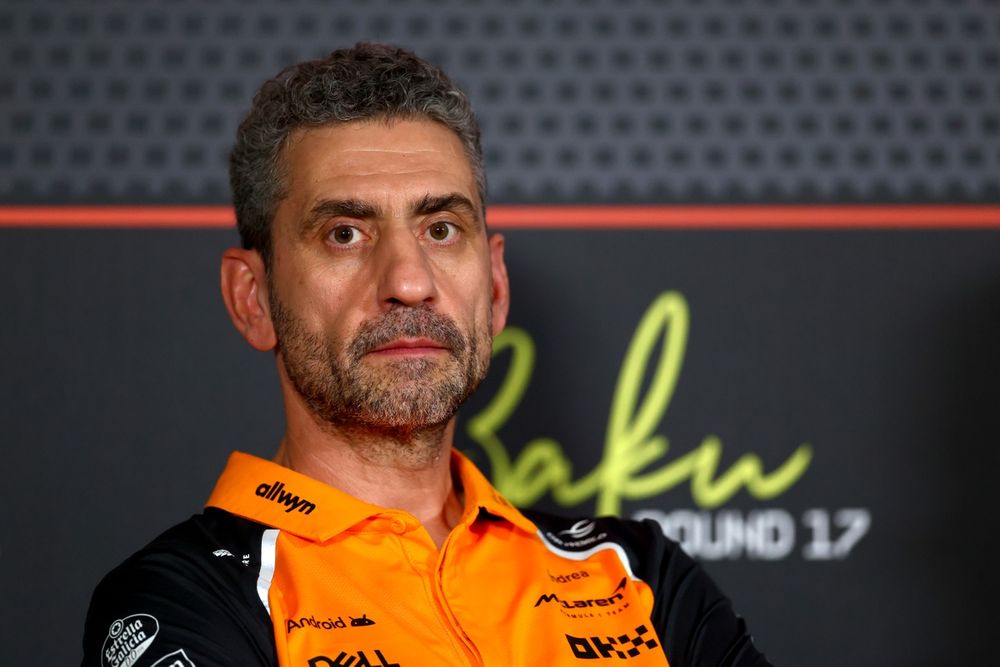
McLarenTeam principal Andrea Stella has called on Formula 1 to continue its efforts in explaining the details of the 2026 rules to fans, as the nature of the competition is expected to change significantly.
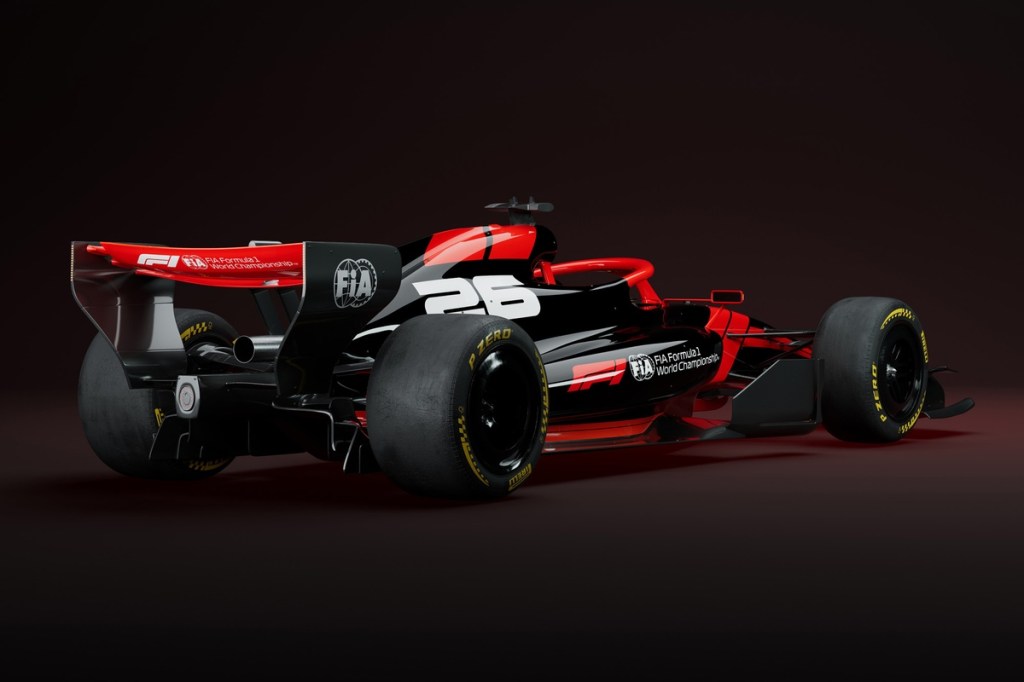
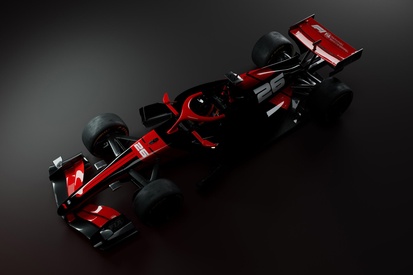
The upcoming campaign will bring what is likely the most significant rule adjustment in F1’s history: the car chassis will be lighter and more compact, with a nearly equal distribution between the internal combustion engine and electric power.
This increased focus on electrical power implies that energy management will become more significant, as a driver might be conserving battery power but this also introduces the ‘overtake mode’.
Read Also:
That serves as an alternative to DRS and functions like a push-to-pass button, allowing a vehicle to maintain the maximum 350kW for an extended period. This means there may be instances where one driver is using more energy while the other is recharging.
Some indications suggest that this will entirely transform the sport of racing:George Russell foretold that there will be “passes in unexpected spots”, while James Vowles remarked, “it’ll simply be in a manner different from what you’re accustomed to currently”.
Stella is the most recent person to express similar views, stating that everything requires further clarification for fans due to the complexity of the new rules.
He stated, “It’s crucial that spectators grasp why it was so straightforward for one vehicle to overtake another in these situations where overtaking occurs, even if it might appear a bit unusual.”
Or perhaps they are capable of understanding that one vehicle has a fully charged battery, while the car in front has an almost empty one.
So, I believe the use of the power unit as a factor in racing and overtaking will be especially crucial in effectively conveying the excitement to our fans.
However, ‘overtake mode’ is not the sole driver assistance feature introduced in F1 this season, as another element Stella mentioned was the active aerodynamics on both the front and rear wings.
In ‘straight mode’ – accessible in specific areas, comparable to DRS – both wings will adjust to a reduced angle of attack, but as a turn nears, the vehicle will switch back to ‘corner mode’, where the wings revert to their increased downforce configuration.
“This needs to be clear to our fans and spectators: what does it mean for energy usage? You use significantly more energy if you don’t open the wings,” stated Stella regarding ‘straight mode’ and ‘corner mode’.
Read Also:
What does ‘grounding’ mean, for example? If your wings are not spread out, the car will descend significantly and you might suddenly experience grounding, and you could hear drivers on the radio saying, ‘there’s a lot of grounding and bottoming happening right now.’
So, I believe the more we clarify all of this for the fans and spectators, the more they will become involved, and the better we can continue providing a powerful display, as we have managed to do in Formula 1, which is one of the factors behind its recent rise in popularity.




 jasdooit
Leave a comment