
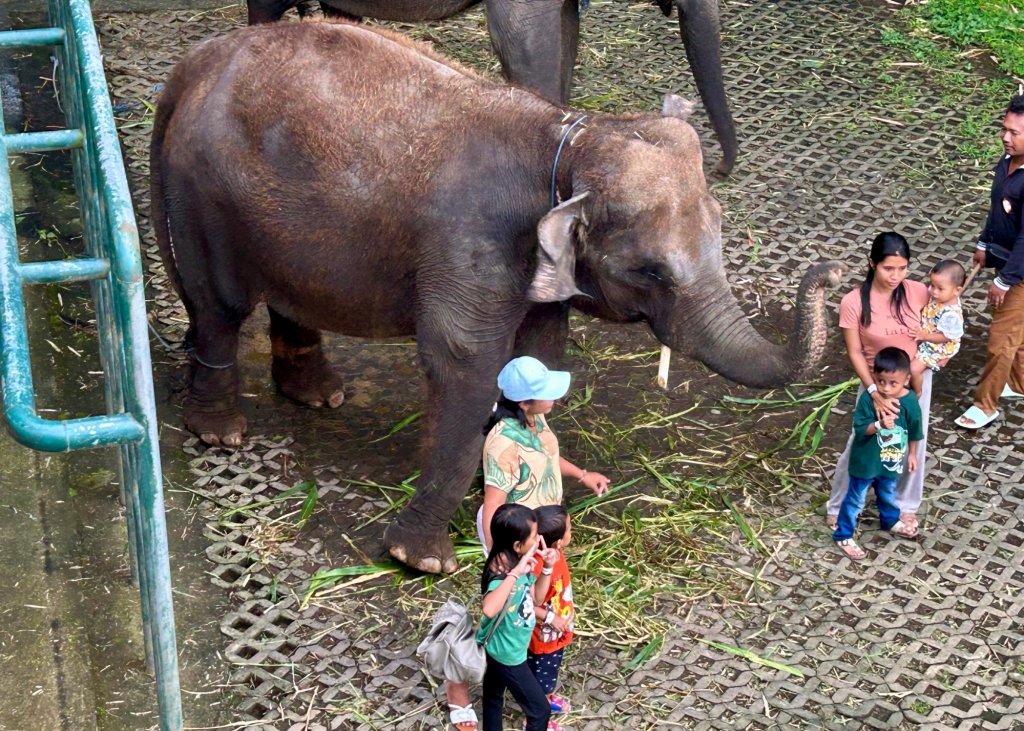
Asian nations, including Cambodia and India, have discontinued commercial elephant rides because of similar concerns.
Bali’s elephant tourism activities have started to close followingIndonesiaThe country’s forest authorities instructed conservation centers to stop the practice, with local officials warning they will cancel the necessary permits for those who do not comply.
The order requires the centers to cease “elephant-riding” shows and move towardswildlife tourismwhich is more educational and ethical, as stated in a circular issued last month by the Ministry of Forestry’s Directorate General of Natural Resources and Ecosystem Conservation.
Even though it is not a new law enacted by the parliament, the circular holds significance as it is implemented via conservation licensing, empowering local authorities to issue notices and cancel permits when required.
BKSDA Bali, the regional conservation authority, has taken initiative, sending out cautionary notices and increasing oversight of establishments that houseelephants.
“All conservation organizations must cease elephant riding and start shifting toward more educational, creative, and ethical wildlife tourism,” said Ratna Hendratmoko, head of BKSDA Bali, during a monitoring visit in Denpasar on Sunday, as reported by state news agency Antara.
Elephant rides have been allowed in Indonesia for a long time through conservation licenses, especially in Bali, where operators have argued for years that the activity is ethical.
Indonesian media sources covering the circular have cited forestry officials who stated it was released due to increasing public and global attention on animal welfare, as well as initiatives to strengthen the fundamental roles of conservation organizations in education, research, and wildlife protection.
Bali operators pull back
Many of Bali’s most famous animal-related sites have already stopped the practice.
Bali Zoo ceased providing elephant rides starting from January 1. “Animal welfare is our top concern. We took this step to promote improved elephant management and maintain ongoing progress in animal care standards,” stated the zoo’s public relations manager, Emma Kristiana Chandra, as reported by the Antara news agency.
Animal rights advocates have approved of the action.
“The news that Bali Zoo will no longer offer elephant rides sends a clear message to the tourism sector that such activities should be left in the past,” said Suzanne Milthorpe, head of campaigns at World Animal Protection ANZ, as reported by PerthNow, a news site based in Western Australia.
Milthorpe has previously characterized elephant riding as “one of the most inhumane forms of entertainment involving captive animals,” according to a statement released on her group’s website.
BKSDA Bali stated that four out of the five elephant-keeping facilities in the region had ceased offering rides as of January 21: Bali Zoo, Bali Safari, Bakas Elephant Tour, and Tasta Tabanan Wildlife Park.
The final prominent holdout, Mason Elephant Park in Gianyar, ceased elephant rides on Sunday following warnings from officials.
Antara stated that BKSDA Bali issued an initial warning on January 13, followed by a second one on January 21, cautioning that ongoing non-compliance might result in the cancellation of the permit.
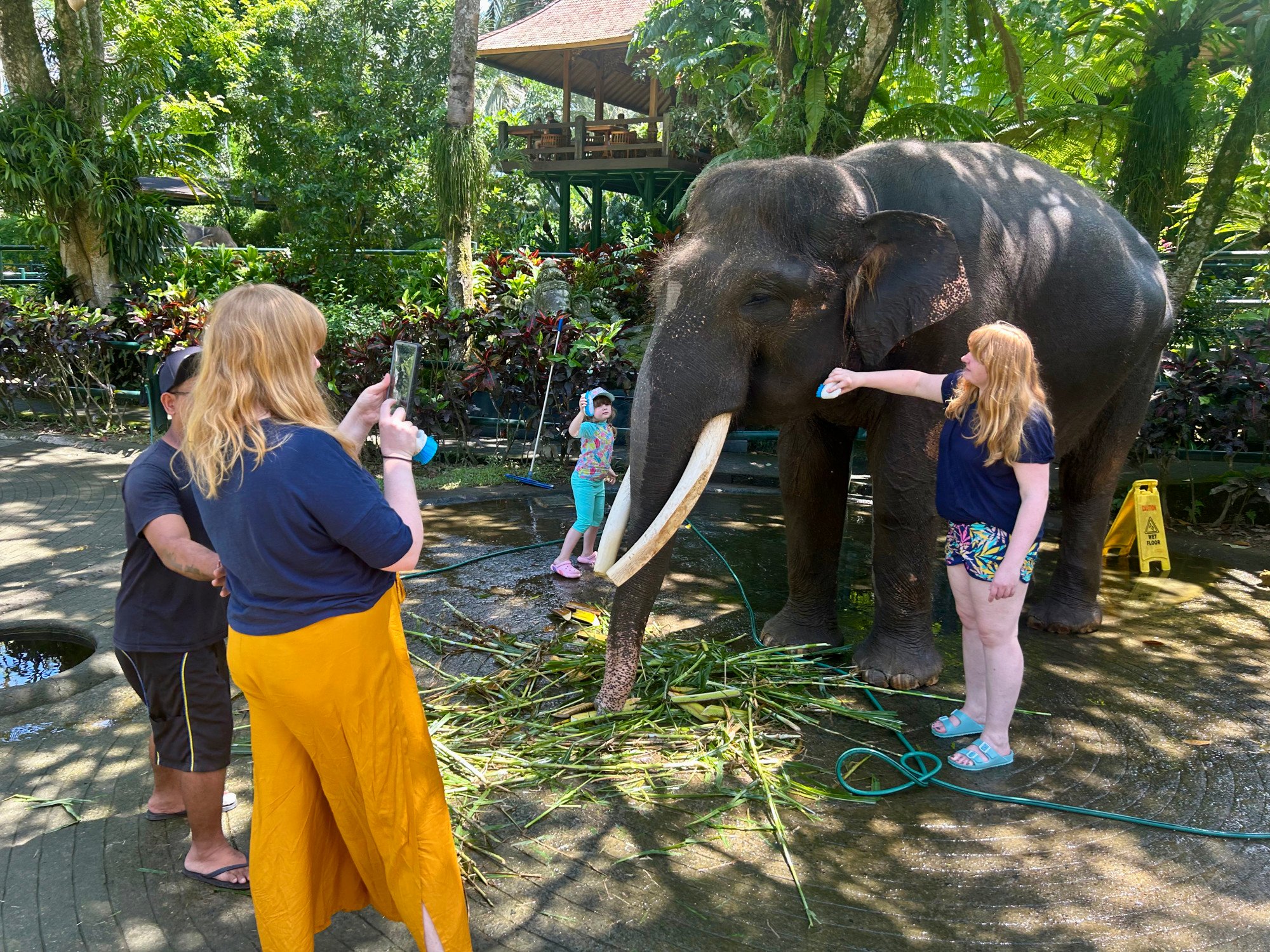
Ethical claims under scrutiny
For a long time, operators have argued that elephant riding is secure and advantageous.
In an interview with News.com.au released on December 31, Nigel Mason, the creator of Mason Elephant Park, stated that the practice “is not cruel; it doesn’t harm the elephant in any way” and referred to the activity as a type of workout for the park’s elephants.
Animal welfare organizations challenge these assertions, stating that elephants utilized for riding are usually trained rigorously from a young age to ensure obedience, frequently including separation, physical control, and the application of devices like bullhooks.
The total weight of saddles and riders may put pressure on elephants’ backs, while extended work periods, hard ground, and limited movement can cause ongoing stress, foot ailments, and other lasting health concerns, as reported by activists.
In 2024, the Southeast Asian Zoos and Aquariums Association issued a collective statement, pledging member organizations to eliminate elephant rides and hands-on interactions, citing “increasing welfare issues.” Although some venues argued that elephants might gain health advantages from interacting with visitors, the association noted that many elephants faced improper training and ongoing stress.
The group encouraged sites to shift towards visitor experiences that are non-invasive and centered on education, ensuring they do not harm animal welfare.
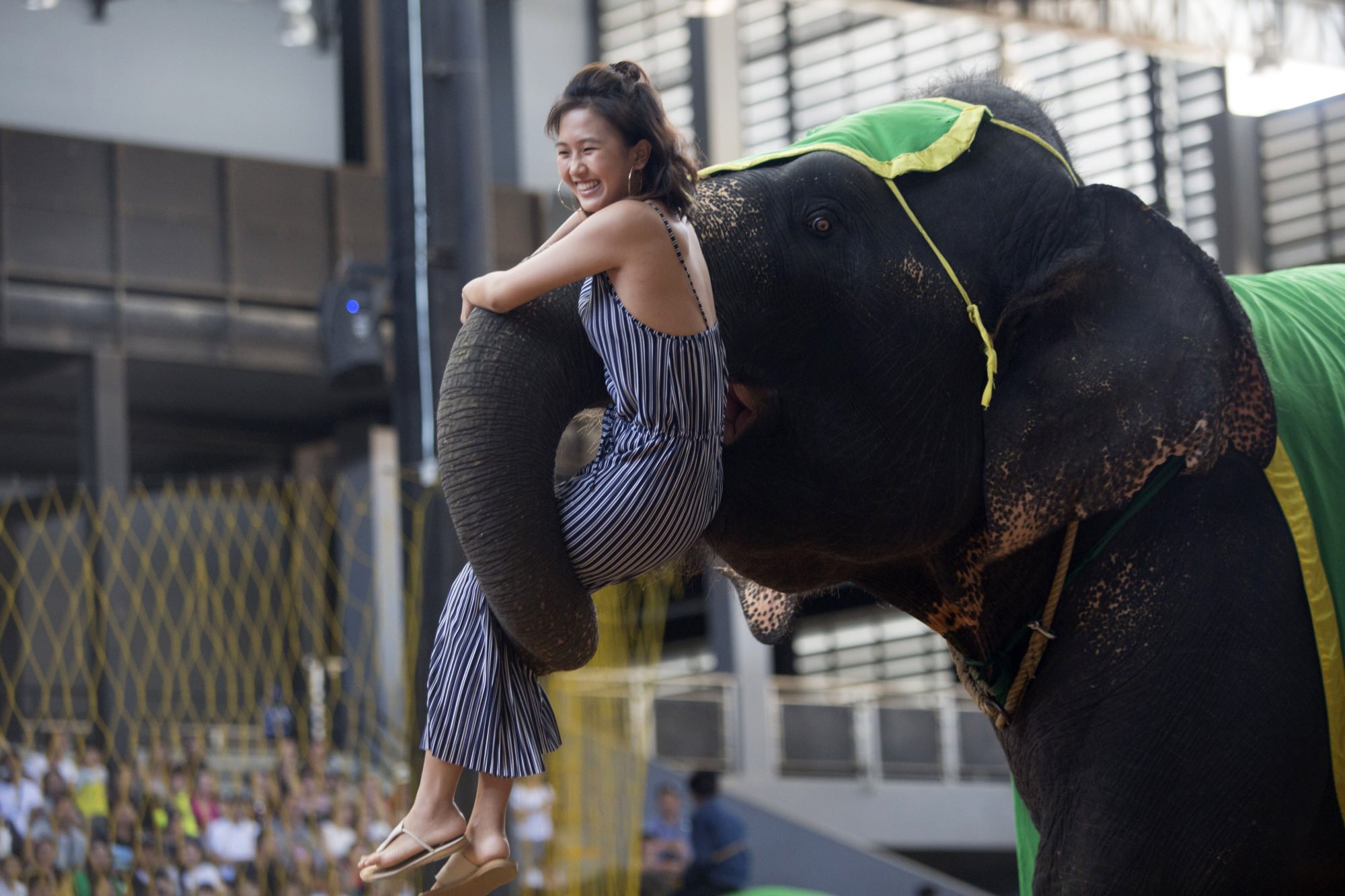
Indonesia’s decision comes after several Asian locations have restricted or stopped elephant rides for tourists in recent years. Cambodia discontinued these rides at its renowned Angkor Wat site in 2019, and India has prohibited the use of elephants for commercial riding purposes.
In Thailand, which hosts the region’s biggest elephant tourism industry, riding these animals is still permitted. Local officials have used animal welfare standards to ensure the protection of elephants.
More Articles from SCMP
Abby Choi, a model from Hong Kong, is scheduled to have her murder trial in September.
Chinese basketball talent Yang Hansen selected for NBA Rising Stars team during All-Star Weekend
This piece was first published in the South China Morning Post (www.scmp.com), a top news outlet covering China and Asia.
Copyright (c) 2026. South China Morning Post Publishers Ltd. All rights reserved.




 jasdooit
Leave a comment