

The judge reread the sentence more slowly this time, as though dragging each word across my skin would cause them to penetrate further. Eight years. The room swayed. My knees became rigid. I looked at the shiny floor and counted the cracks so I wouldn’t cry out. Across the aisle, the Asare family sat calm, experienced in sorrow and well-kept.

Mr. Asare wiped his eyes using a white cloth. His wife’s hand was placed on his arm, firm like a rock. They didn’t glance at me. They never did.
My mother’s scream echoed behind me. It resembled a dish breaking on concrete—sudden, definitive. I longed to look back, to let her know I was still her son, that I had taken a chicken, not a future. However, the guard’s hand pressed my shoulder firmly, solid and unyielding.
The hammer dropped. A crisp sound. A door shutting.
At that moment, I grasped a feeling more chilling than fear. The truth had already been hidden. I wasn’t being punished for my actions. I was being wiped out because of who I was—poor, young, and easy to dispose of.
As they escorted me, I caught a glimpse of Ama’s eyes in the crowd. She was too young to be courageous. I vowed to her through my silence that I would live. I had not yet realized the price of survival.
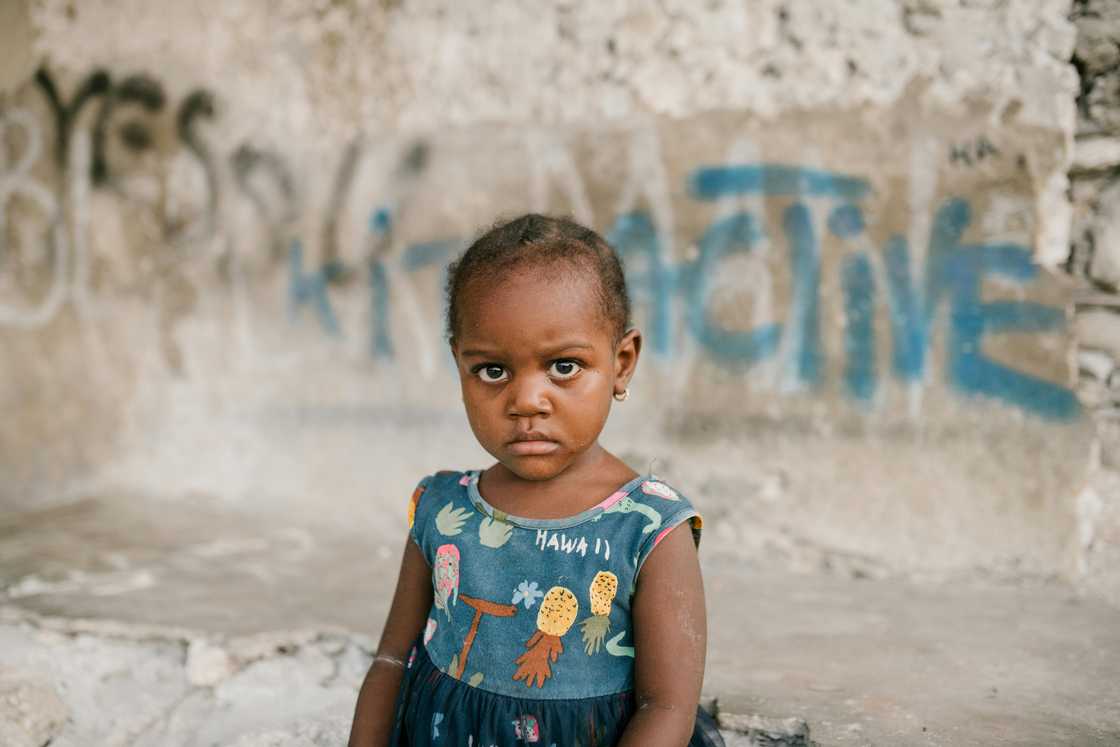
Prior to standing in court and receiving my punishment, my life was insignificant, counted in days filled with sunlight and starvation. I was born in a village where dust stuck to your feet and roofs shook when the wind became restless. When my father passed away, I was twelve and still thought that adults were indestructible. He fell on the way back from the fields, and by the time neighbors brought him home, his breath had already decided to depart from us.
Following that, my mother, Adjoa, transformed into two distinct individuals. One who wept silently during the night, and another who rose before sunrise to sell whatever she could manage—vegetables, dried fish, peanuts—anything that could be exchanged for money by evening. I understood early on that sorrow does not halt the need for food. Ama was just six years old at the time, as thin as a reed, shadowing my mother constantly, asking questions that no one could answer.
I left school in the year my father passed away. Tuition costs became unmanageable, and books seemed like indulgences we could no longer justify. I took on various jobs—clearing fields, hauling things, fixing fences. On some days, I managed to bring back rice. On other days, I returned with justifications. My mother never voiced any complaints. That quiet was more burdensome than any outburst.
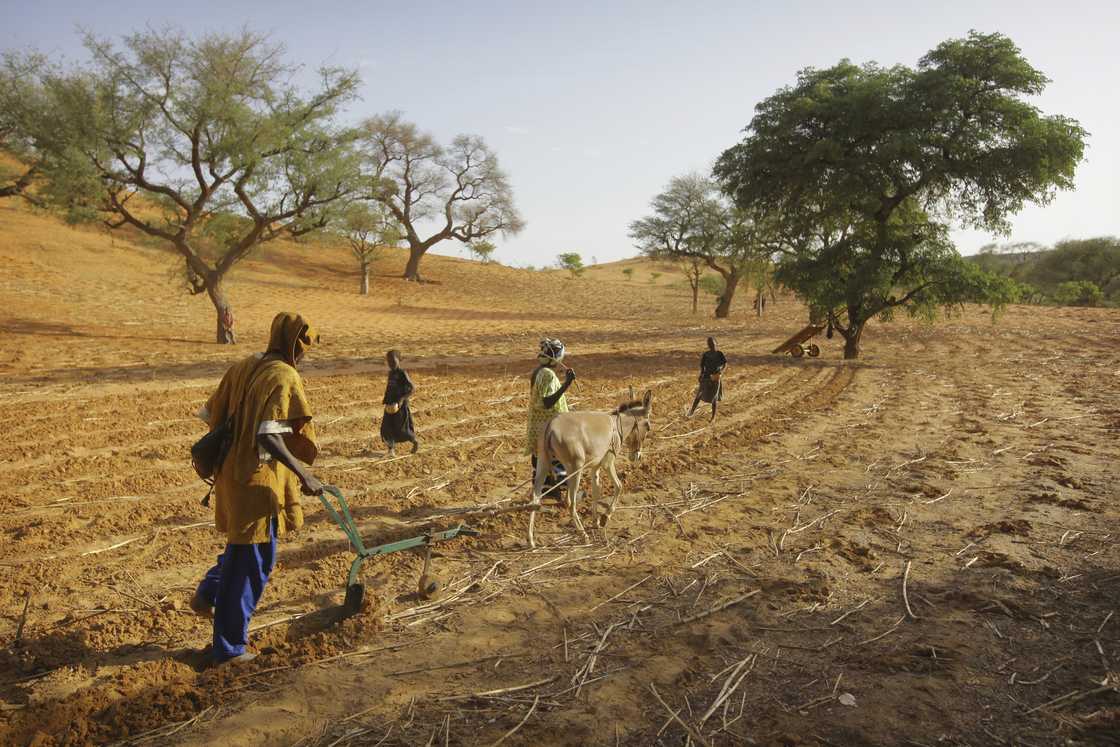
The harsh and prolonged dry season that altered everything came with a merciless grip. The river dwindled to a muddy strip. Crops did not grow. Food costs soared as if they were pursuing an invisible target. Ama became ill with a fever that would not subside. Her eyes lost their luster, and she spent more time sleeping than talking. Every night, I listened to her breath, measuring the time between each movement of her chest, pleading with a deity I was no longer certain was listening.
We had a debt at the clinic. The merchant who had previously given us credit now avoided looking at me. I felt as if the walls were closing in, not because of guilt, but due to desperation. It was then that I spotted the small farm by the roadside at the edge of the main road—well-kept fences, plump birds moving about freely. It was owned by the Asare family, everyone claimed. A rich family. Powerful. Unreachable.
I convinced myself I would take a single chicken. Only one. I intended to sell it fast, purchase medicine, and get another when circumstances got better. I had faith in repaying the debt the way those in need place their hopes in miracles.

I remained waiting until the evening. My hands trembled as I moved through a crack in the fence. The chicken flapped around, with feathers scattering, my heart pounding so loudly I was certain the entire village could hear it. I was about to turn and flee when a voice called out my name.
It was Mensah, a neighbor. He gazed at me with disappointment that had turned into anger. He didn’t pay attention when I attempted to clarify. He gripped my arm firmly and led me to the nearby police station as though presenting evidence of his own correctness.
I anticipated a warning. A penalty. Perhaps a night in jail. I felt embarrassed but also relieved. I believed this was the lowest point.
At the station, a police officer recorded my account without making eye contact. Another one questioned me about topics unrelated to the chicken—such as storage facilities, nighttime activities, and names I was unfamiliar with. I responded truthfully since I had nothing to conceal. Even at that moment, my honesty seemed pointless.

Upon hearing the news, the Asare family’s situation transformed completely. Their grievance was written, thorough, and self-assured. By morning, my minor error had acquired a sharp edge. I was unaware at the time that my financial hardship had just been elevated to proof.
The first night in detention took away any sense of time. There were no windows, just a humming light and a bench that carried the scent of long-forgotten dread. I kept rewatching my mother’s expression, certain this was a mistake that would disappear by dawn. People with little money endure through such hope.
The morning arrived, yet clarity remained absent.
A police officer called Sergeant Badu questioned me once more. His tone was calm, almost indifferent. He placed documents on the table, moving them closer as though they could cause harm.
“You were spotted near the Asare warehouse earlier,” he said.
I am not familiar with any warehouse,” I answered. “I work in the village.
He exhaled deeply. “Consider your words carefully. Deception will not benefit you.”
That was the first instance when I realized that responses could be skipped, yet final judgments could not. Every time I claimed to know nothing beyond the chicken, his pen would stop briefly, then carry on. My statements drifted aimlessly between us, never making an impact.

Two days later, a man wearing a well-pressed shirt showed up. He didn’t offer his name. He spoke in a quiet voice, leaning forward as though we were exchanging a confidential message.
Boy,” he said, “cooperate, and this will be less difficult for your family.
“What are you expecting me to say?” I inquired.
He grinned without any sincerity. “The truth. That you were involved with a group taking items. Minor things. You were exploited. It’s common.”
I chuckled, briefly and anxiously. “I don’t even know how to read the labels on boxes.”
His expression faded. “Then you will discover what it’s like to be silent.”
The accusations increased rapidly, like ants swarming over spilled sugar. Theft transformed into a conspiracy. A chicken became a diversion for something much more significant. During my first court hearing, the lawyer from the Asare family spoke with assurance that filled the room. He outlined damages, connections, and dangers to public safety. I looked for my name in his words and discovered it woven throughout.
My assigned attorney arrived five minutes prior to the hearing. He had a scent of perspiration and defeat.
It’s best to be cautious with your words,” he murmured. “These individuals hold significant influence.
“I didn’t commit this,” I stated.
He gave a nod, neither opposing nor confirming. “Power determines what is significant.”

People came forward who had never known me. Testimonies were presented that bore no resemblance to my experiences. As I attempted to speak, the judge raised his hand.
“Respond with what you are questioned,” he stated.
I was questioned very minimally.
In the cell, other inmates taught me how to stay alive. Kojo, who was older and had keen eyes, advised me to keep my head low. “People in your situation,” he said, “are already lost.”
“But I’m innocent.”
He gazed at me for an extended period. “That is not a valid excuse here.”
Letters from home arrived infrequently. My mother sold her trading table to cover the cost of traveling to visit me. She took my hands through the bars, her palms more rough than I had recalled.
“They claim you are perilous,” she murmured.
I shook my head. “I took some food.”
She rested her brow against the metal. “God is watching.”
The trial progressed quickly. Too quickly for justice. Evidence emerged and then vanished. Objections were dismissed before they could be fully made. When the verdict was announced, it seemed prearranged. I observed the Asare family lower their heads, victims rehearsed for the camera.

As the guards escorted me, I came to a horrifying realization. This had nothing to do with justice or even retribution. It was about locking away a narrative that safeguarded riches and concealed discomfort. And I was the most silent spot to conceal a falsehood.
Prison instructs you to listen in a new way. It’s not only about the words spoken, but about recognizing patterns—whose voice trembles with fear, whose is shielded, and who evades consequences despite their name being constantly mentioned. I grasped this gradually, over years marked by cell counts and roll calls.
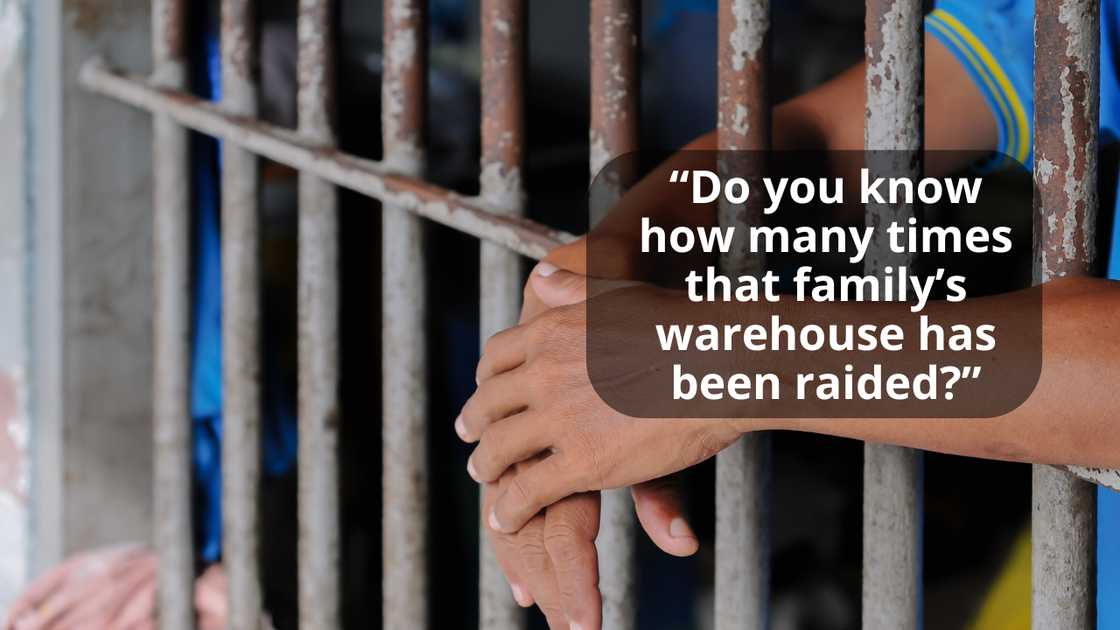
It was Kojo who initially introduced the idea. One night, while we were resting against the wall following the roll call, he inquired casually, “Do you know how many times that family’s warehouse has been searched?”
I frowned. “What warehouse?”
He gazed at me with a feeling akin to sorrow. “The one you supposedly assisted in robbing.”
I shared with him all I knew, which amounted to nothing. Kojo nodded. “Precisely.”
He stated that prior to my arrest, there had been rumors—missing items, altered documents, trucks departing at unusual times. Investigators arrived more than once. Every time, the files disappeared. Responsibility was redirected. The narrative always concluded the same: unidentified local thieves, no significant arrests.
“But the family?” I inquired.
He laughed quietly. “Untouched.”
Eventually, others corroborated this. An older prisoner named Yaw had previously worked in security close to the industrial zone. He recalled seeing the Asare name printed on documents that were never kept open for long. Another individual, Emmanuel, mentioned that his cousin had been interrogated regarding the same theft network, but was then let go without any reason given.
The reality started to take a form I was unwilling to confront. My act of stealing the chicken had not built their case. It had cleared it.
A destitute youth caught in the act created an ideal diversion. My arrest diverted focus from books that were unbalanced and warehouses that ought to have been secured. As the community debated issues of ethics and criminality, influential individuals discreetly adjusted their records.
After I saw it, I couldn’t take it back.
I started maintaining a journal, concealed within a mattress seam. Initially, I wrote to maintain my sanity—dates, names, events that seemed off. Later, I began documenting trends. Which individuals received bail. Who vanished from the records. Which cases progressed quickly and which remained stagnant indefinitely.
I discussed guards who required payment for simple acts of kindness. I wrote about men who admitted to crimes they didn’t comprehend merely to escape prolonged waiting. I described how poverty was viewed as evidence of intent.
One afternoon, a new prisoner came in—slim, anxious, charged with stealing fuel from a company linked to the same group of individuals. He instantly recognized the Asare name.
They do this,” he murmured to me during the night. “They allow ordinary individuals to bear significant wrongs.
That was the instant my anger transformed into determination. I realized that my innocence had never been the issue. My value had.
The system wasn’t damaged by chance. It was intentionally compromised, protecting those who could afford to support it. I wasn’t unfortunate. I was chosen.
I ceased to dream about an early release. Rather, I concentrated on recalling every detail. If I couldn’t break free from the deception, I would endure it. I committed to memory faces, dates, and inconsistencies. I protected my journal as if it were another heart.
It has been eight years, which is a long period to keep a truth that nobody desires. Yet, within those walls, I discovered something more piercing than sorrow. Tales endure longer than structures do. And eventually, my story would be set free, even if I had not yet figured out how.

When the entrance revealed itself after eight years, the light seemed strange, as if it belonged to another person. My body moved ahead, but my thoughts remained behind, still recalling signals, still expecting a call. I had become slimmer, slower, and older in ways that weren’t connected to time.
My mother was standing a little way off, appearing smaller than what my memories had allowed. Her hair had turned gray. As she touched my face, her hands shook, as though checking that I was real.
Ama was no longer young. She stood upright, her gaze firm, feeling both comfort and wariness. Prison teaches families to rejoice in silence. We embraced without saying a word. Certain losses are too painful to express aloud.
The village received me with courtesy, but not with warmth. People nodded, posed cautious questions, and steered clear of specifics. I grasped the situation. A reputation trails you like a shadow that refuses to shrink. The name of the Asare family still held influence. My own name served as a caution.
Jobs were hard to find. Employers smiled and said they would call me back. But they never did. I headed to the city with a small bag and no plan, because staying felt like slowly suffocating. In the busy streets, I became invisible once more, which was oddly familiar.

I accepted any job that came my way—loading trucks, cleaning stores, and watching over empty buildings at night. My body hurt, but it was genuine pain. At night, I wrote. I reworked my journal from memory, filling in missing parts and making the details sharper. The words helped me stay calm.
One afternoon, I encountered a man named Samuel at a construction site. He preferred to listen rather than talk. When I eventually shared my story with him, he didn’t interrupt.
you should attend our meetings,” he said. “people like you are present there.
This is how I discovered the survivor network. Individuals with comparable wounds. Some had been falsely accused. Others had been muted. Everyone had realized that justice usually only addresses those who can comprehend its terminology.
Telling my story didn’t remove what occurred, but it changed how I viewed it. My shame began to fade. People listened, adding their own experiences to fill in the blanks. Connections became clear, recognizable and painful.
The Asare family was never put on trial. Their enterprises grew. Their reputation stayed unblemished. That was the reality I had to come to terms with. Justice, as promised, never materialized.
But the outcome occurred, just not in the place I anticipated.

I started sharing my experiences publicly—thoughtfully, accurately, and without embellishment. Local organizations asked me to share my narrative as a cautionary tale. Teenagers paid attention. Some posed inquiries that their parents hesitated to address. The account spread, more subdued than news reports, yet unwavering.
Ama returned to school with a level of dedication that scared me. We had many conversations. I shared with her what I had learned—not resentment, but understanding. How power conceals itself. How silence can be imposed. How dignity endures even when institutions collapse.
I didn’t face the Asare family directly. I discovered that vengeance keeps you trapped in the past. Rather, I set limits. I refused to vanish once more. I refused for my narrative to be forgotten.
Some nights, the prison continues to appear in my dreams. Trauma does not compromise. Yet when I awaken, I remind myself: they took eight years, not my voice.
I have lost a great deal. Time. Youth. Opportunities. Yet I have regained something more peaceful and difficult to take away—my name, spoken honestly, from my own lips.
After eight years, I gained an understanding that no legal proceeding could provide. Justice is not impartial; it focuses precisely where power directs it. When structures are designed to safeguard authority, truth turns into a privilege that the underprivileged cannot access. I discovered that being innocent by itself does not protect you. Being seen does. Having documentation does. Speaking out collectively does.
For many years, I thought my pain was unique—a consequence of a poor choice made in a moment of desperation. However, it was deeply rooted in the system. My error did create an opportunity, but what came through had been waiting all along. Poverty made me visible as if I were guilty. Being quiet was anticipated. Being lost was considered normal.
What sustained me was not the expectation of fairness, but dedication to remembrance. Through writing, through speaking, by refusing to allow my narrative to fade into hearsay, I reclaimed a portion of authority that had been withheld from me. I discovered that dignity is not given by judgments. It is demonstrated.
Nowadays, I pose one question every time I hear about someone being accused and then quickly overlooked: who gains from this narrative being accepted? And who is shielded by it?
If my existence holds any significance beyond mere survival, it is to encourage others to move beyond simple solutions and pose more challenging inquiries, before another unremarkable life is sacrificed for someone else’s benefit.
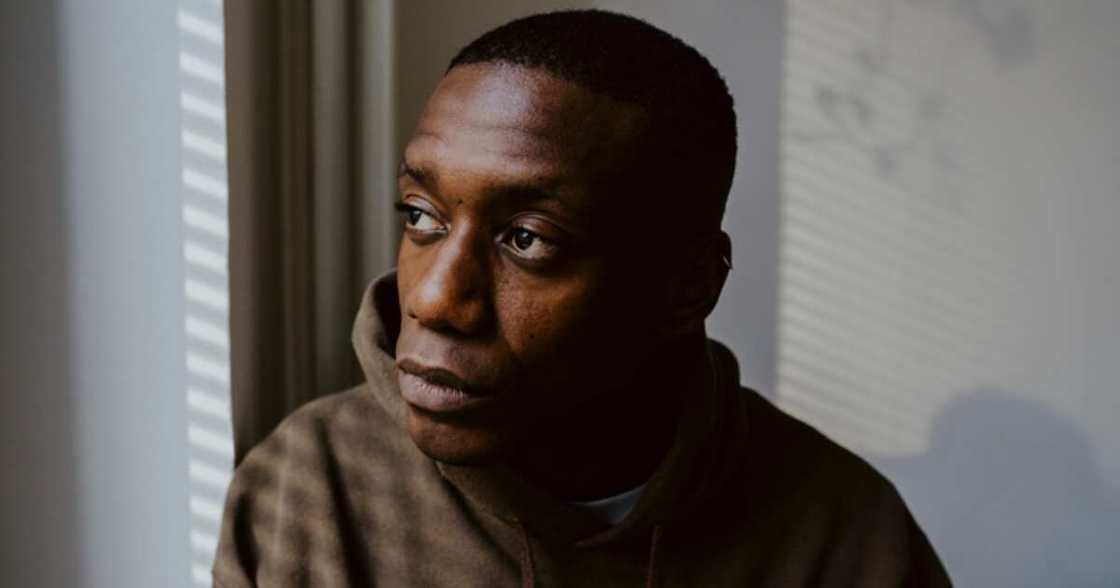
This narrative is based on the genuine experiences of our readers. We feel that each story holds a valuable lesson that can illuminate the path for others. In order to maintain everyone’s confidentiality, our editors might alter names, places, and some specifics while preserving the essence of the story. The pictures are for visual purposes only. If you wish to share your own tale, kindly reach out to us by email.



 jasdooit
Leave a comment