
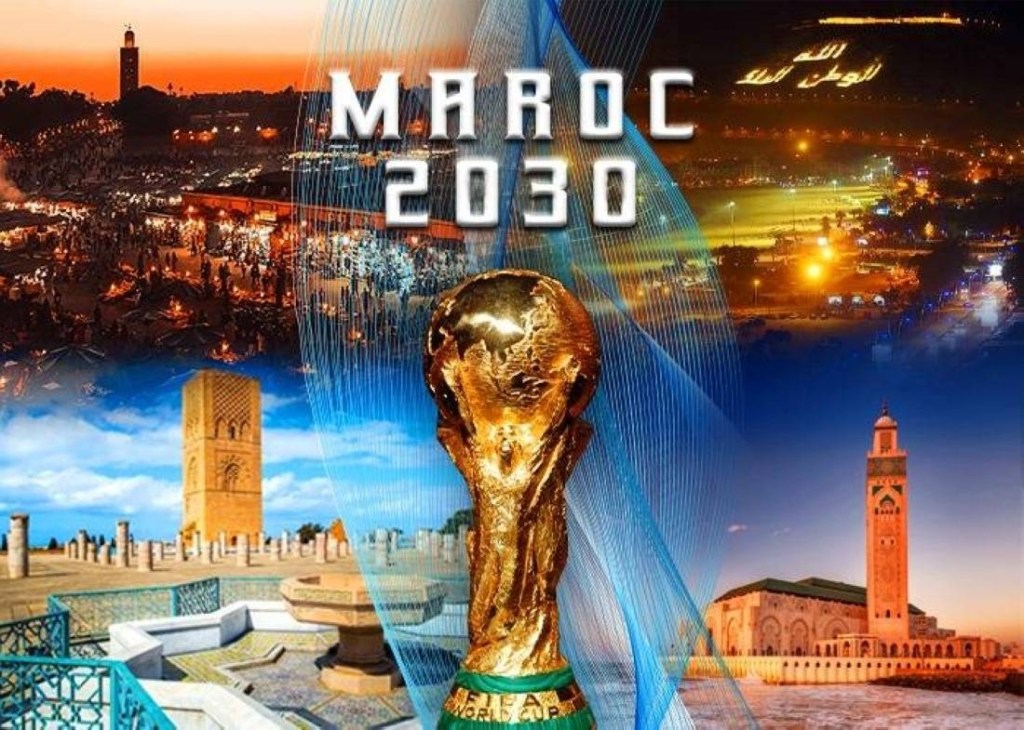
Official Moroccan government data indicating that the nation generated over 1 billion euros from hosting the 35th Africa Cup of Nations has led to discussions among economists regarding the potential economic impact Morocco might experience by co-hosting the 2030 World Cup.
The Minister of Industry and Trade, Ryad Mezzour, stated to Spain’s EFE news agency that organizing the Africa Cup resulted in direct earnings surpassing 1 billion euros, brought in hundreds of thousands of international tourists, and had a beneficial effect on tourism, transportation, and service industries. He mentioned that the event also generated tens of thousands of employment opportunities, and the investments made in infrastructure associated with the competition should be considered long-term strategic assets rather than temporary expenses directly linked to a sports event.
Economic analyst Khalid Hammas stated that significant global events do not only provide immediate financial advantages, but also lead to substantial improvements in a nation’s international reputation. In an interview, he mentioned that these events boost Morocco’s worldwide recognition and create wider investment possibilities, especially in infrastructure like roads, airports, and hotels.
Hammas pointed out that enhancing tourism services and educating staff in hospitality and tour leadership significantly boosts foreign currency earnings. He emphasized that a nation’s image is crucial in drawing in tourists and investors, who now frequently evaluate locations according to their operational capabilities and international recognition.
In the medium and long term, Hammas stated that Morocco is expected to experience concrete economic advantages in transportation and tourism, as well as in the traditional crafts industry, which provides jobs for almost five million Moroccans. He mentioned that this economic progress could significantly affect national income and contribute to sustainable development in associated sectors.
Regarding sports infrastructure, Hammas advocated for a strategic plan to keep stadiums and facilities operational throughout the year by expanding their functions beyond soccer. He mentioned that this would assist in covering maintenance and operational expenses by creating self-sustaining income sources through organizing various sports and events.
Another economist, Mohamed Jedri, stated that Morocco is leveraging the Africa Cup and the 2030 World Cup as strategic instruments to realize its long-term economic objectives for 2035, rather than viewing them solely as sports events.
Jedri mentioned that the goal is to increase Morocco’s gross domestic product to over $260 billion, which is double the current level of approximately $130 billion. He further stated that the strategy also seeks to boost women’s participation in the workforce to 45 percent, decrease regional inequalities from 45 percent to 30 percent by 2035, raise average incomes to around 13,000 dirhams, and attain annual growth rates of up to 8 percent.
He mentioned that Morocco is aiming for 26 million tourists each year, the manufacture of 2 million vehicles, and enhanced self-sufficiency in food, energy, and pharmaceuticals. Jedri highlighted significant sporting events as crucial drivers in achieving these development objectives over the medium and long term.
Initiatives associated with the competitions have already generated hundreds of thousands of employment opportunities in areas such as media, marketing, event coordination, and construction, he mentioned. Throughout the Africa Cup, hotels, restaurants, and air travel saw unprecedented demand, boosting economic growth.
Jedri mentioned that the beneficial effects will go beyond the World Cup, as Morocco’s worldwide reputation is enhanced in over 180 countries, aiding in drawing in foreign investment. He noted that Moroccans will be the main ones to gain from long-term initiatives like high-speed rail, highways, and significant infrastructure that create enduring economic benefits.
The post Morocco gains $1B from Africa Cup, sparks discussion on 2030 World Cup effects appeared first on English – Morocco News.


 jasdooit
Leave a comment