
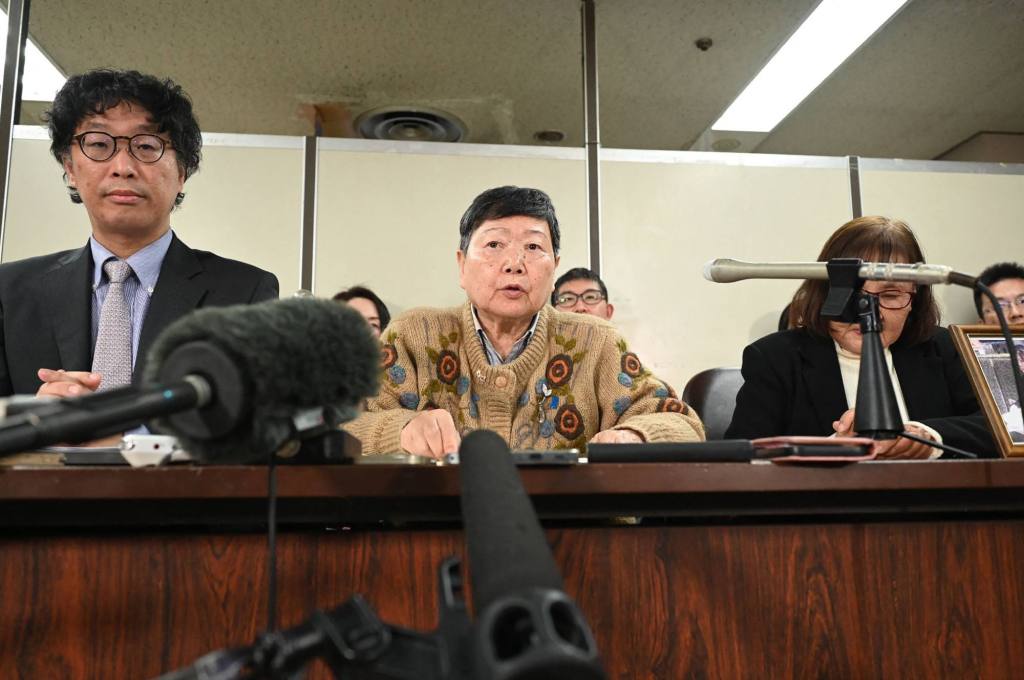
A Tokyo court has mandated that Pyongyang compensate for damages, yet the plaintiffs are preparing for an extended struggle to implement the decision.
Only a few days after a court inTokyo ordered the North KoreanThe government will compensate Japanese citizens it deceived with the promise of “paradise on Earth,” and the winning plaintiffs are preparing a plan to make Pyongyang pay.
The Tokyo District Court decided on Monday that three plaintiffs, along with the family of a deceased claimant who passed away before the case was finalized, are each entitled to 22 million yen (approximately US$144,000) as compensation for the hardships they faced prior to fleeing from the North and returning.Japan.
Officials from North Korea did not participate in any of the sessions or provide written statements to defend the country.
Are you curious about the most significant issues and developments from across the globe? Find the information you need withSCMP Knowledge, our latest platform offering handpicked content including explainers, FAQs, analyses, and infographics, presented by our acclaimed team.
The attorney who headed the case stated he anticipated Pyongyang would disregard the ruling, yet preparations were already in progress to implement it according to Japanese civil law.
“We obtained the ruling we sought, and according to Japanese civil enforcement procedures, it is now up to the plaintiffs’ creditors to locate assets that can be seized,” Kenji Fukuda said to This Week in Asia.
“We are preparing to create a list of the North Korean government’s assets located in Japan, and we plan to proceed with initiating the process to confiscate these assets,” he stated.
Fukuda mentioned it would require “a few months” to build the enforcement case, but refused to provide specifics regarding the assets being reviewed by the legal team.
“It’s somewhat premature to discuss this, as revealing our plans might allow North Korea to conceal some of their assets,” he stated.
He dismissed the idea of taking control of Chongryun’s central Tokyo headquarters, an entity that advocates for pro-Pyongyang residents in Japan, along with its schools and university, stating that courts in prior instances had determined they are legally distinct from the North Korean government and thus shielded from such actions.
The decision comes from a legal case initiated by individuals who participated in North Korea’s so-called “paradise on Earth” initiative, during which tens of thousands of ethnic Koreans residing in Japan and some Japanese nationals relocated to the North between 1959 and 1984.
Mainly promoted by Chongryun, the initiative offered housing, education, food, and job opportunities, but numerous participants later reported experiencing government control, prejudice, and suppression upon their arrival.
In a statement provided to the court by Human Rights Watch, survivors described how North Korean officials swiftly assumed authority over all areas of their lives, limiting freedom of expression, where they could live, their educational opportunities, and job prospects, while also controlling food distribution and monitoring communication with relatives in Japan.
Since they had arrived from abroad, those who returned were viewed with suspicion and considered possible dangers to the Kim family’s rule, which allowed no opposition, according to the statement.
Individuals suspected of being disloyal endured harsh penalties, such as imprisonment combined with forced labor, while political detainees vanished and, in certain instances, were put to death.
Eiko Kawasaki was 17 years old when she traveled to North Korea by boat in 1960, and it took many years before she could flee. At 83, she shared her story ina 2021 interviewwith This Week in Asia and later explained her decision to join the lawsuit.
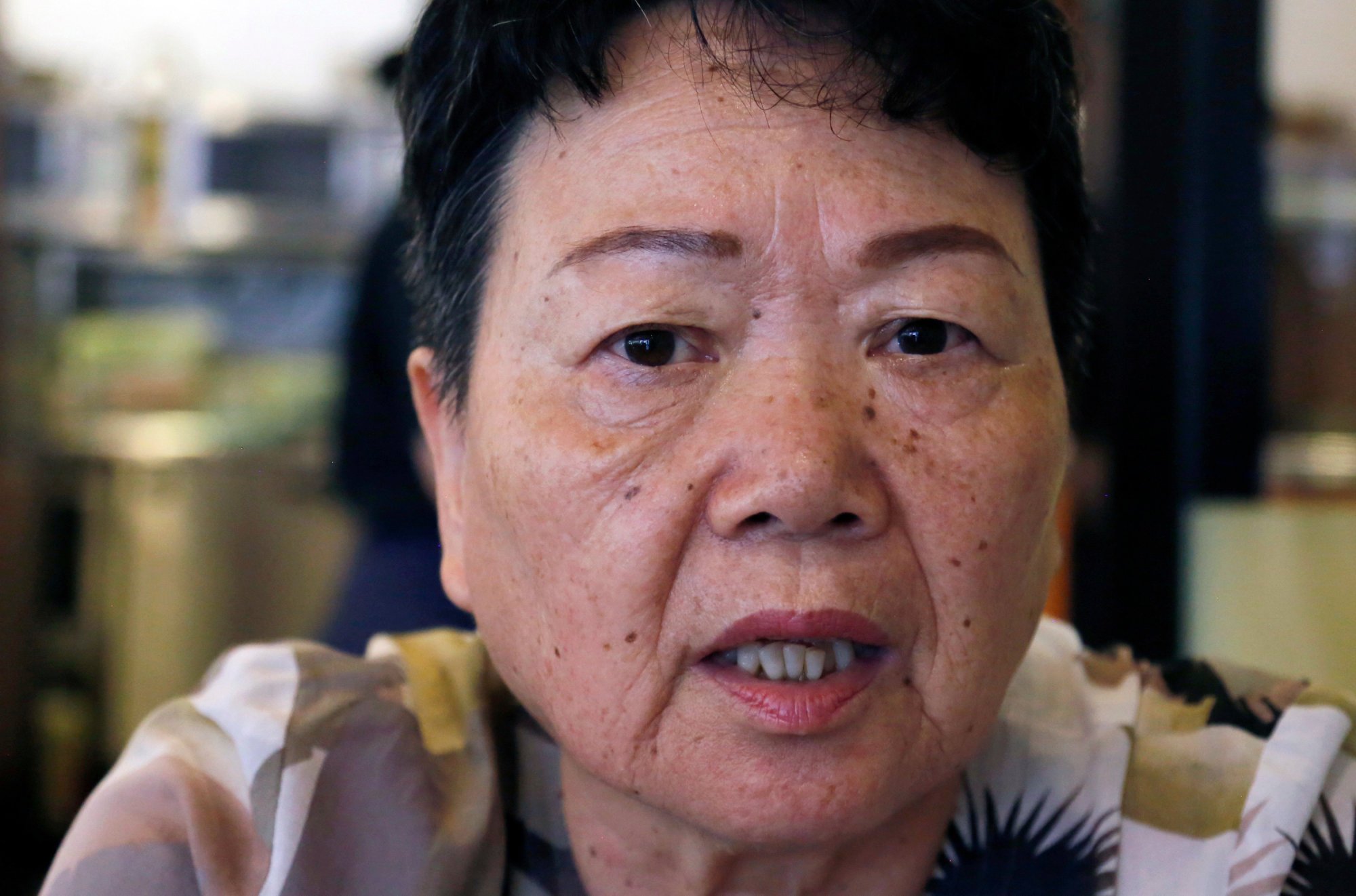
Born in Kyoto to parents who were first-generation immigrants from the Korean Peninsula, Kawasaki attended a school managed by Chongryun, where she mentioned that students were taught that North Korea was an ideal society.
Many Koreans residing in Japan during that period accepted this propaganda completely, and my family and I were no different,” she stated. “My family chose to ‘return’ to North Korea.
Eager to depart, Kawasaki convinced her parents to allow her to travel separately from the rest of the family and took a ferry from Niigata’s port.
As soon as I got there, I understood that the information we received in Japan was entirely untrue,” she stated. “My initial thought was to prevent my family, who were about to join me in North Korea, from coming. I employed different ways to send messages to my family, urging them not to arrive.
Her family eventually listened to her warnings, but Kawasaki ended up isolated in a country she described as feeling like stepping back in time.
Stationed in a city located 500 kilometers away from Pyongyang, she was assigned to a school dormitory, dealing with bed lice and mainly subsisting on potatoes and corn flavored with salt.
Some individuals who returned faced nutritional deficiencies, many contracted tuberculosis, and others experienced mental health issues caused by longing for their homeland, she noted.
The situation worsened in the mid-1990s, as North Korea experienced a famine that the government later called “The Arduous March.”
During the Great Famine, the corpses of those who had perished from starvation were scattered throughout the streets of my city,” she stated. “Those who resided in the city often passed away within their homes, yet many individuals who arrived in the city from distant places in search of sustenance died outside.
A significant number of people perished aboard trains, in waiting areas at railway stations, and even more succumbed on the streets following extreme exhaustion.
People did anything they could to survive: murder, theft, deception,” she said. “Numerous bodies I encountered were in a shocking state, like that of a child who had been thrown off a train and sustained severe head trauma, and the body of a man whose legs had been amputated. Several of my friends also perished during this time.
After her husband’s death in a 1998 accident, Kawasaki was resolved to escape. She successfully crossed into China, where she endured 18 tense months before returning to Japan. Since then, she has lost touch with her children who remain in North Korea.
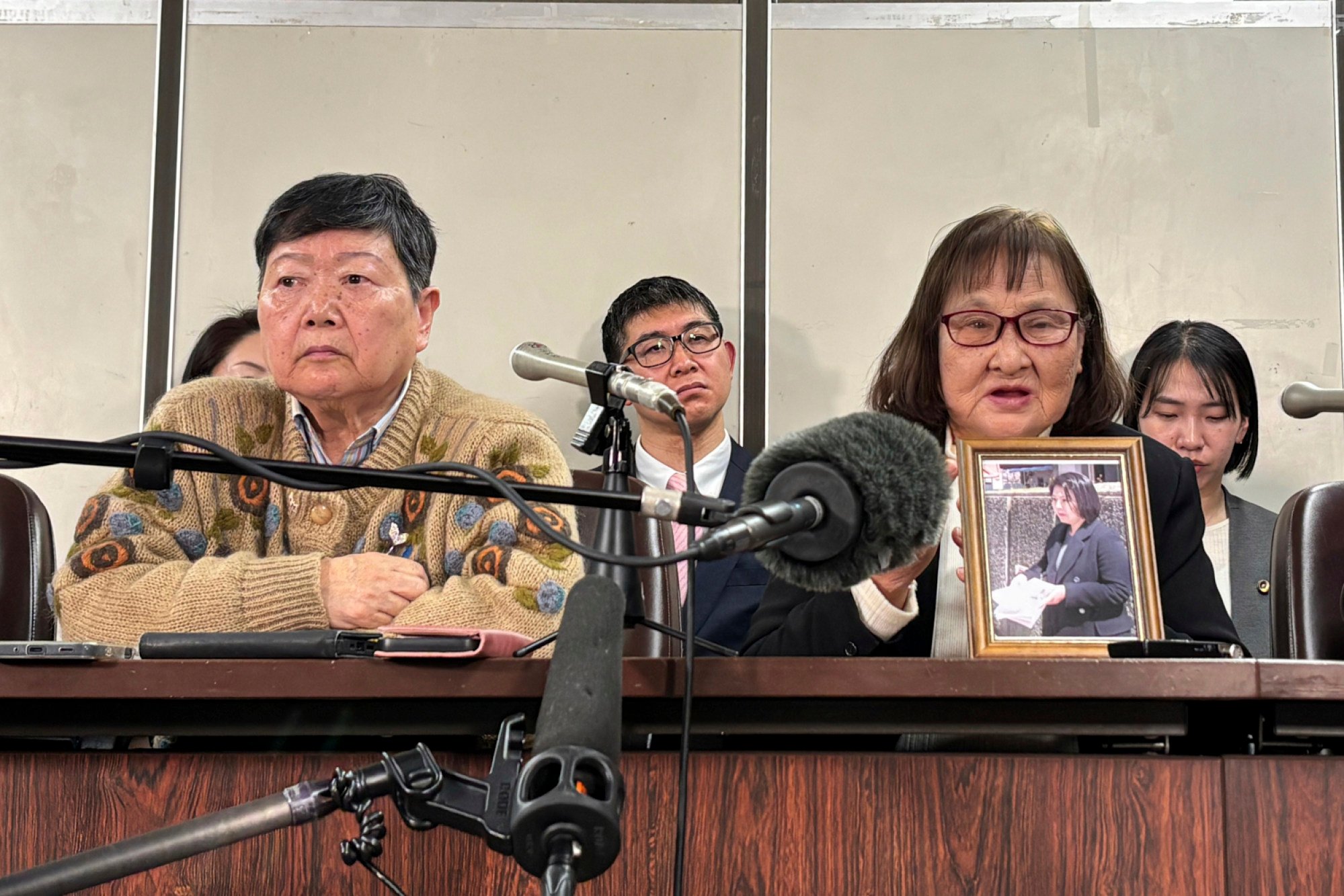
Although the five plaintiffs initially requested 100 million yen each in damages, Fukuda maintains that the decision remains a “historic win” that may open the door for comparable cases.
This marks a significant ruling against the North Korean regime, holding it accountable for violations of human rights,” he stated. “This case could assist other plaintiffs, including those who were taken by North Korea and their relatives, if they choose to pursue legal actions against the government.
More Articles from SCMP
Hong Kong motorists advised to be cautious of fake compensation demands
Moonshot’s latest launch reduces the US-China AI model development gap, according to experts.
Why Greenland’s scarce earth resources won’t eliminate US reliance on China’s minerals
Hong Kong considers reducing the age limit for health examinations of commercial drivers to 65
This piece was first published in the South China Morning Post (www.scmp.com), a top news outlet covering China and Asia.
Copyright (c) 2026. South China Morning Post Publishers Ltd. All rights reserved.




 jasdooit
Leave a comment