
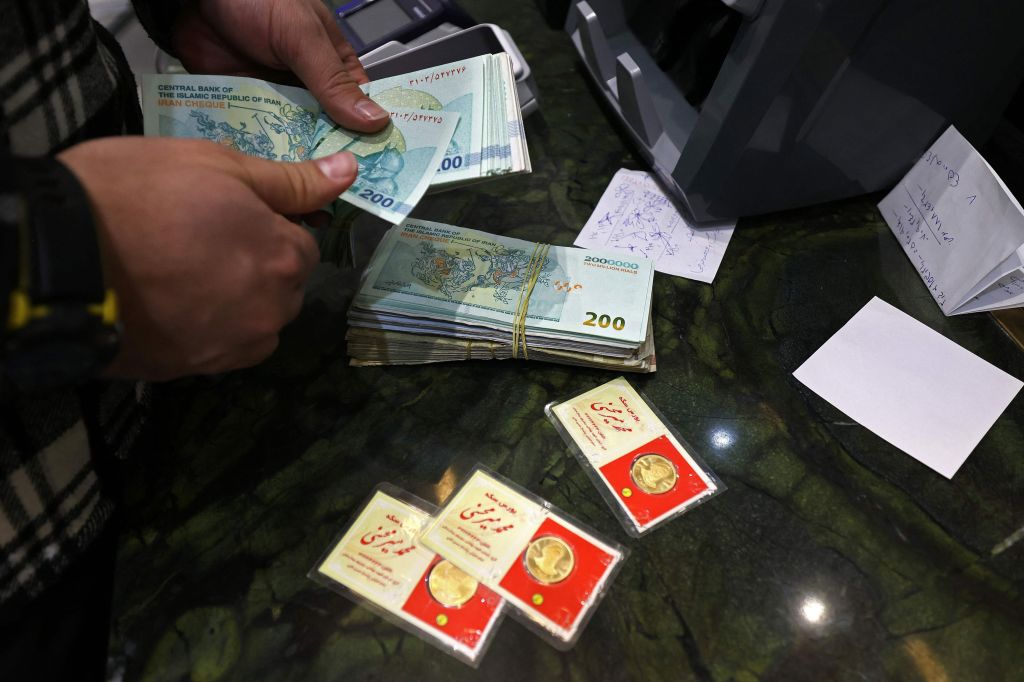
The value of Iran’s currency has dropped to a historic low as unrest spreads due to demonstrations over economic difficulties and the government’s harsh response.
As reported by AP News on the 28th, the currency exchange rate against the dollar rose above 1.6 million rials for the first time in the local foreign exchange market that day. This occurred just one day after it initially crossed the 1.5 million rials threshold the day before.
In comparison to roughly 32,000 rials per dollar approximately 10 years ago, the value has dropped to just 1/50th of that figure. The number of rials required to purchase one dollar has risen by about 50 times. If the same rate of depreciation were applied to the Korean won, the impact would be similar to that of the dollar, which could be bought for approximately 1,200 Korean won a decade ago, now requiring around 60,000 Korean won.
As Tehran traders started demonstrating in the streets against the declining currency value and rising inflation on the 28th of the previous month, the exchange rate stood at approximately 1.42 million rials per dollar. After a month of demonstrations, the rial’s exchange rate has hit a record peak.
The anti-government demonstrations, which spiraled out of control, have now seen a pause as a result of the Iranian government’s severe suppression. Iran has fully restricted internet and communication services across the country since the 8th, and has implemented an intense campaign of repression. The official death count from Iranian authorities stands at 3,117 individuals, whereas international human rights organizations believe the actual number of deaths is significantly higher.
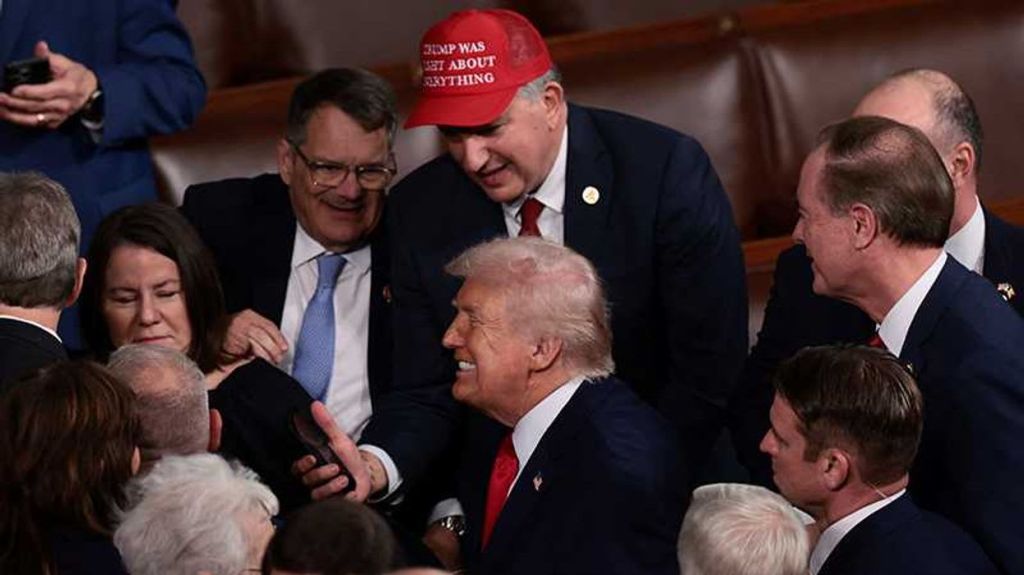
Even though the demonstrations have calmed down, U.S. President Donald Trump suggested the potential for military action, leading to more volatility in the rial’s exchange rate. The U.S. military disclosed that it has moved the Abraham Lincoln aircraft carrier strike group, which was located in the South China Sea, to the waters of the Middle East. During this time, President Trump increased the pressure in a speech, saying, “Right now, another beautiful fleet is sailing beautifully toward Iran.”
Iran’s President Masoud Pezeshkian has issued a directive to regional authorities to ensure the availability of vital supplies and maintain state operations in anticipation of a possible strike from “hostile nations,” specifically the United States and Israel.
U.S. Secretary of State Marco Rubio also forecasted that anti-government demonstrations would flare up again because of Iran’s economic downturn. During a U.S. Senate session on that day, he remarked, “The Iranian government is currently at its weakest point,” and noted, “While these protests might have temporarily stopped, they will arise again in the future.” He added, “The main challenge the regime is dealing with is that, unlike previous uprisings over different matters, there is no solution to the protesters’ fundamental concerns,” highlighting, “This is due to the economy being in a state of collapse.”



 jasdooit
Leave a comment