
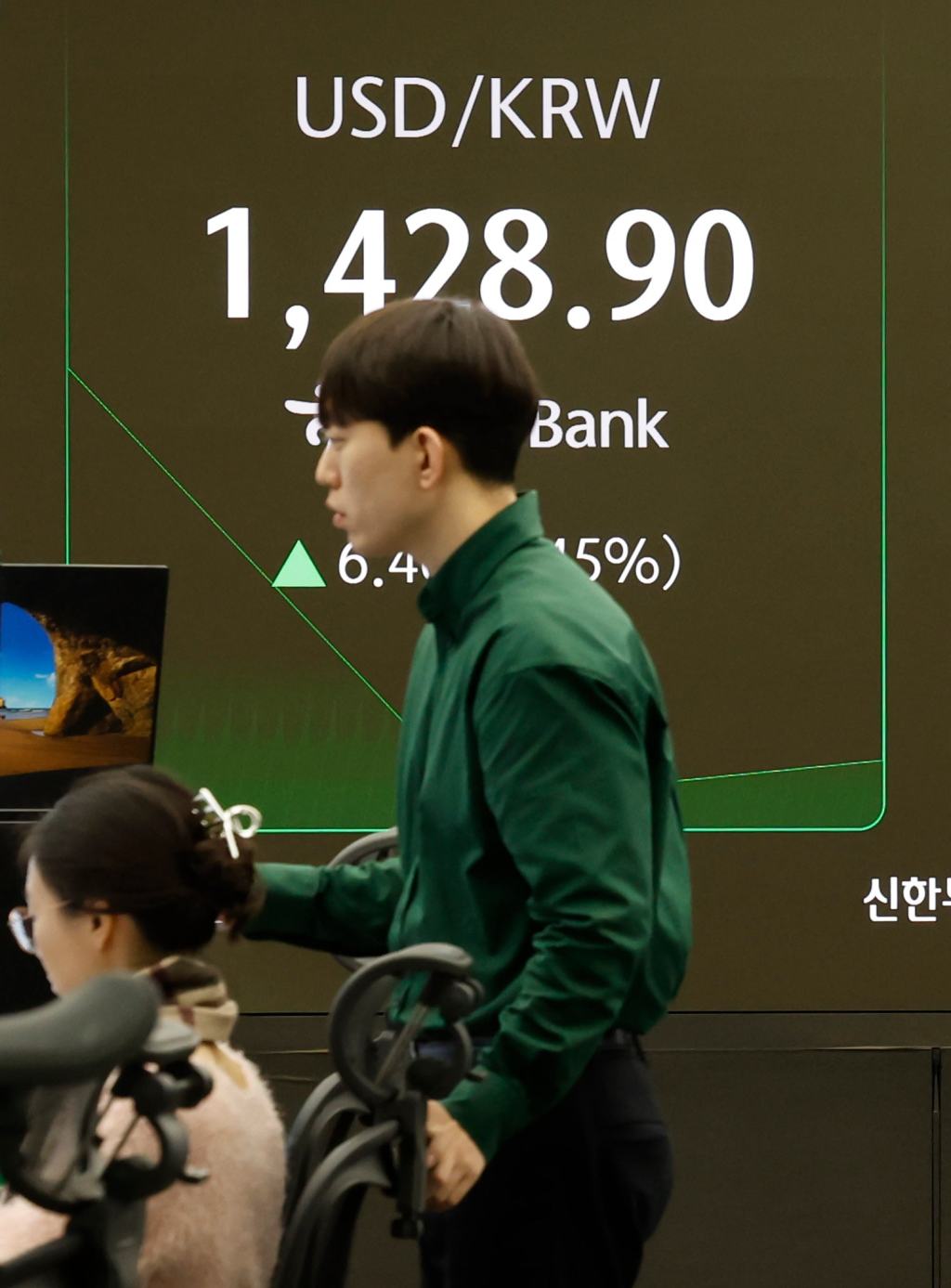
On the 29th, the won-dollar exchange rate started 7.1 Korean won higher, reaching 1,429.6 Korean won. The won’s exchange rate had dropped to its lowest point in three months, ending the week at 1,422.5 Korean won on the 28th—the day before—after falling by 23.7 Korean won because of a weak dollar. Nevertheless, due to efforts by U.S. officials to slow down the decline of the dollar, the won’s exchange rate recovered.
On the 28th (local time), Scott Bessent, the U.S. Treasury Secretary, reiterated the current position during an interview with CNBC, saying, “The United States has consistently supported a strong dollar policy.” When questioned if the U.S. is taking action in the foreign exchange market to bolster the value of other currencies relative to the dollar, he replied, “Certainly not.” This somewhat reduced expectations of a stronger yen.
Previously, when questioned by reporters about his worries regarding the dollar’s decline, U.S. President Donald Trump responded, “No. I think it’s excellent,” indicating his acceptance of the dollar’s weakness, which led to the currency reaching its lowest point in four years. The market feels that Secretary Bessent’s comments have somewhat eased worries about the dollar’s weakness.
Erica Marilere, a Senior Global Macro Analyst at Manulife Investment Management, stated to Bloomberg, “Bessent’s comments have eased market worries” and “They have contributed to rebuilding trust in the Trump administration’s approach to the dollar.”
After Secretary Bessent’s comments about a “strong dollar,” the currency’s value increased by the highest amount in two months, since November of the previous year. The Dollar Index, which tracks the dollar’s strength against six major currencies, had previously dropped to approximately 95 but climbed to about 96.7 on that day.
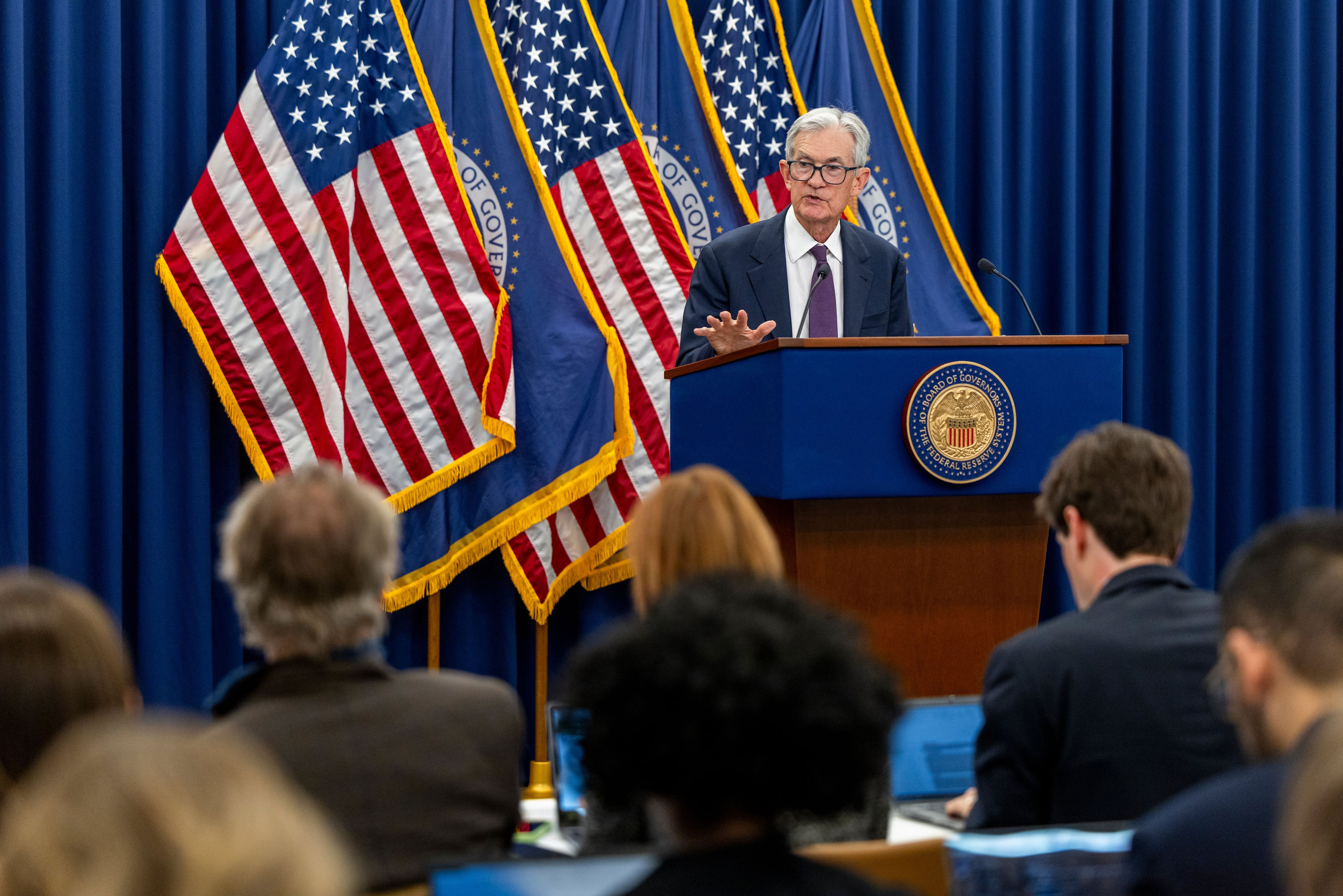
On that day, the U.S. Federal Reserve decided to keep, instead of reduce, the standard interest rate during its initial regular meeting of the year by the Federal Open Market Committee (FOMC), causing speculation that the dollar’s downward trend might ease somewhat in the coming period.
Yu Sang-dae, the Deputy Governor of the Bank of Korea, convened the ‘Market Situation Review Meeting’ on the morning of the 29th and remarked, “While the market has demonstrated some stability after the release of the U.S. FOMC decisions overnight, there are likely to be ongoing uncertainties about the future direction of U.S. monetary policy, taking into account the details from Chairman Powell’s press conference and the timeline for appointing the next Fed Chair.” He further noted, “Considering that both domestic and external destabilizing factors, such as uncertainties surrounding future U.S. tariff policies, worries about the fiscal health of major countries, and geopolitical risks, still exist in this context, we will continue to closely monitor the market situation with careful attention.”


 jasdooit
Leave a comment