

Employment procedures have historically focused on the educational institution a person graduated from, with well-compensated positions often given to graduates of prestigious schools.
It has been slightly more than a month since Lee Hyun-jun* completed his compulsory military service, yet the 22-year-old university student already senses he has encountered an unseen barrier in his future.
“Every time I look for jobs, internships, or fellowship opportunities on online sites, they always request the name of your university,” Lee said to This Week in Asia.
Reviewing the comments, people mention that most places focus on which school you attended. They suggest that if you’re from a regional university, it might be pointless to try.Seoul.”
Are you curious about the major issues and developments happening globally? Find the solutions withSCMP Knowledge, our latest platform offering carefully selected content including explainers, FAQs, analyses, and infographics, presented by our acclaimed team.
For the education student, who studies at a university in the southwestern city of Gwangju, the comments struck very near to home.
I believed I would finally be able to lead the life I desired through my abilities and hard work, but I came to understand that society assigned you a status that you had to carry for longer than your service in the military.
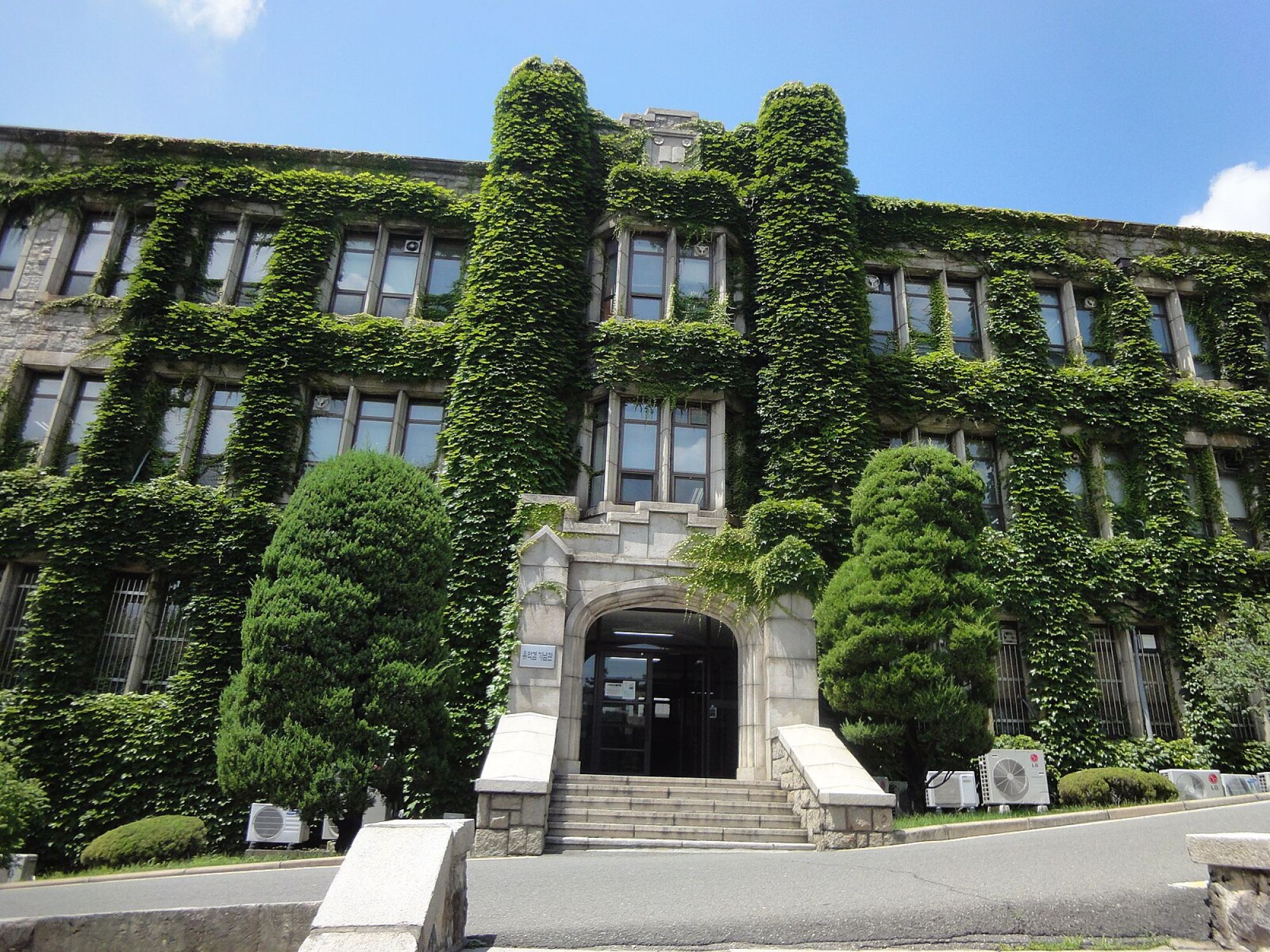
In South KoreaUniversities are generally categorized into two levels: those located in Seoul and others outside the capital. At the top of the academic hierarchy is “SKY,” which stands for Seoul National University, Korea University, and Yonsei University, all of which are situated in Seoul.
In addition to a limited number of top-tier scientific institutions like the Korea Advanced Institute of Science and Technology located in Daejeon, educational campuses based in Seoul are considered the most sought-after.
Numerous high school students participate in the yearly College Scholastic Ability Test (CSAT), referred to asSuneung, several times in an attempt to gain entry. Almost 30 percent of test takers are retaking the exam.
The emphasis on academic credentials is broadly acknowledged. A 2024 survey conducted by the national broadcaster Korea Broadcasting System revealed that discrimination based on educational background was considered the most serious type of bias in South Korean society, garnering almost 30 percent of the total votes.
Educators and decision-makers caution that the fierce rivalry in university admissions has led to long-term stress in children as young as seven, while also influencing wider societal patterns like postponed marriages and falling birth numbers.
Song In-soo, co-founder of the civic organization Spring of Education, states that the issue stems from the way individuals are recruited.
“The main reason academic background holds so much significance is that hiring processes have traditionally focused on the institution you attended. This is closely linked to the type of job you can secure,” he said to This Week in Asia.
Individuals believe they need to attend specific universities in order to secure better salaries and job stability.
Pride and prejudice
A study carried out by Spring of Education along with pollster Realmeter in 2024 revealed that 85 percent of participants felt that one’s university played a role in job applications, while 75 percent indicated that discrimination due to educational background was significant.
Last week, the group organized a demonstration at the National Assembly Library to support a bill designed to stop employment discrimination related to educational qualifications. Approximately 400 participants, including lawmakers, teachers, parents, and students, were present.
In his initial speech, head of the National Education Commission, Cha Jung-in, stated that “the emphasis on academic credentials and the competitive system tied to the university ranking makes everyone a failure.”
The suggested amendment to the fair hiring procedure act intends to ban the mention of applicants’ educational histories in job-related paperwork,” Cha stated. “It is designed to assess candidates based on job-relevant skills … to evaluate people according to their current capabilities instead of focusing on their past.
Even though the bill has been officially presented, it still needs to go through multiple legislative steps before it can be voted on. Although South Korea already bans discrimination related to educational background, some critics claim that implementation has been insufficient.
The wider effects of the competition can be seen throughout society. As per data from the statistics ministry, almost 80 percent of students attend private schools — a rise of 11.2 percent since 2015, with an average weekly commitment of 7.6 hours and monthly expenses of approximately 474,000 won (US$330).
Total private educational expenditure amounted to 29 trillion won (US$20 billion) even with a decreasing number of students, and almost half of children under six are enrolled in private tutoring centers.
Mental health metrics have also triggered concerns. In 2023, the suicide rate for individuals under 18 hit a new peak of 3.9 per 100,000. For those aged 15 to 19, the number was 11.4 per 100,000, whereas for children between 12 and 14, it was 5 per 100,000.
The statistics department also stated that South Korea placed 30th among 34 OECD nations in terms of life satisfaction for 15-year-olds.
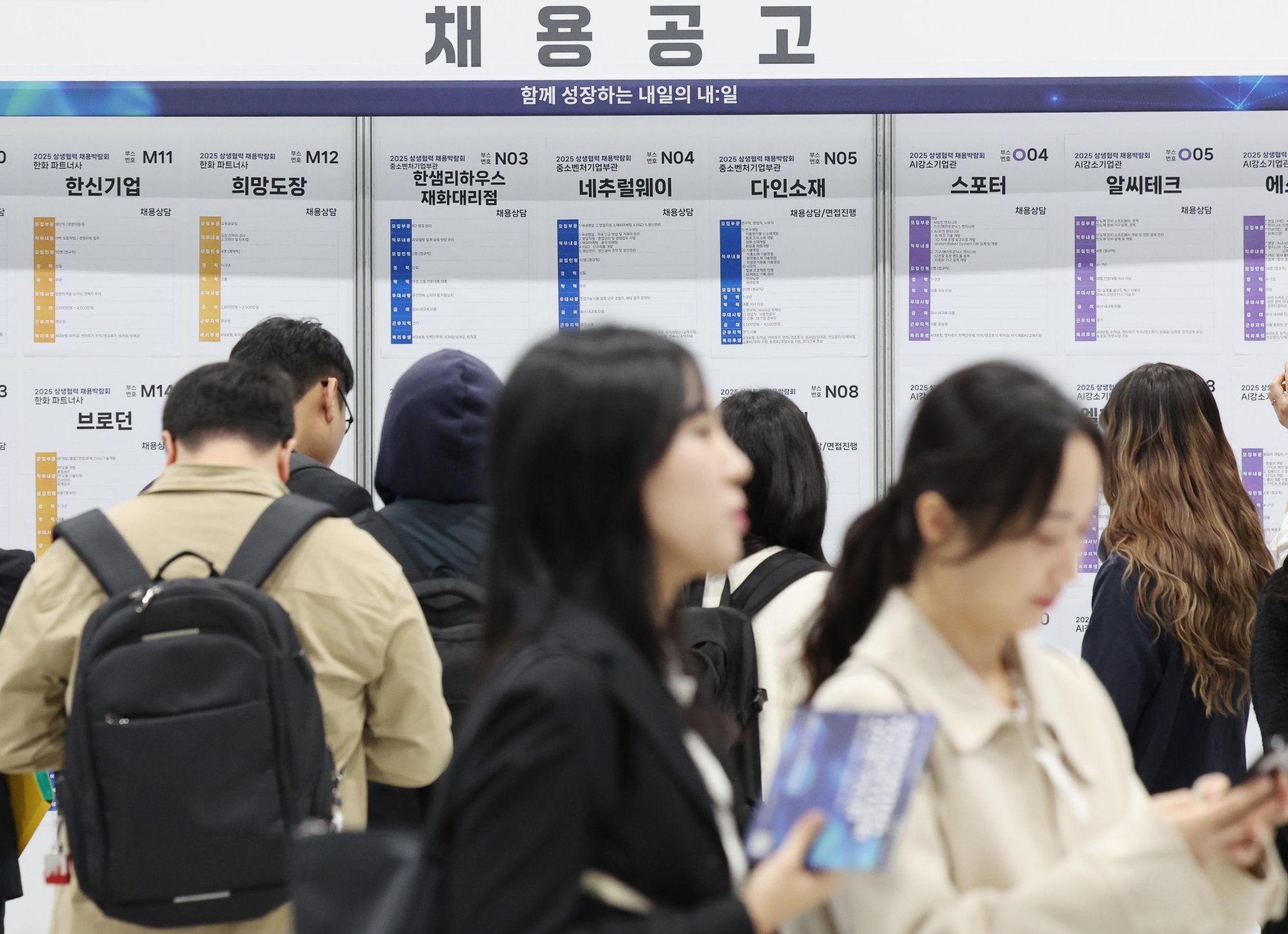
Lee mentions that the stigma is already visible in daily interactions. At a recent career fair, an advisor told him he was at a disadvantage.
“The advisor recommended that I focus on enhancing my resume, as my academic background would not provide me with an edge when applying for jobs,” he remembered.
There’s an idea that people attend regional universities if they don’t perform well onSuneungPeople think these are students who do not study sufficiently or are deficient in certain areas. I too eventually succumbed to this belief.
According to Lee, scholarships, fellowships, and cultural facilities are predominantly found in Seoul.
Beyond Seoul
The matter has also been brought onto the political agenda. PresidentLee Jae MyungThe administration has suggested establishing “10 Seoul National Universities” throughout the nation to spread top-tier university resources and financial support beyond the capital.
Song is of the opinion that transformation is gradually occurring. Following over three years of observing recruitment processes, his group has discovered that industries such as public sector organizations, information technology, startups, and finance are progressively prioritizing abilities rather than educational qualifications. Certain national banks have implemented anonymous hiring procedures that eliminate university names from application forms and interviews.
“The main issue is that individuals, particularly parents of students, lack true understanding of the changes occurring in the job market,” Song stated.
Individuals often encounter application forms that include a field for mentioning their university, leading them to doubt companies’ assertions that they no longer place as much emphasis on educational backgrounds as they did in the past.
Nevertheless, not every educator is convinced that legal reform by itself can resolve the nation’s educational system. Kim Tae-kyun, a researcher at the Korea Educational Research and Innovation Centre, contends that more fundamental structural reforms must come first.
“Our nation prioritizes the development of robust multidisciplinary universities,” he said to This Week in Asia.
If colleges were to focus more on different areas and disciplines—similar to specialized schools—they could expand the ways they choose their students. This kind of variety within universities would, in turn, affect high schools as well.
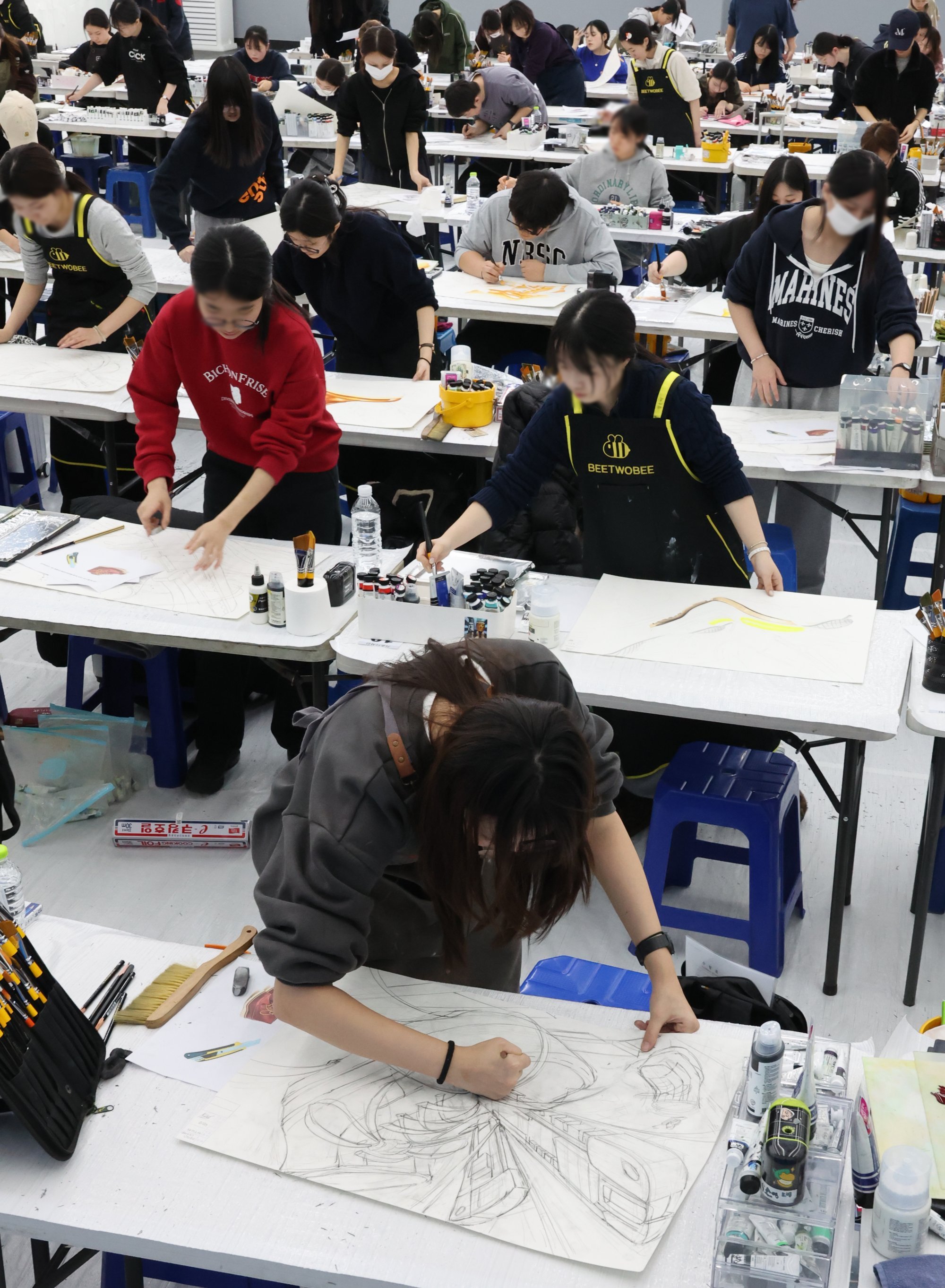
As per Kim, top universities like those in the “SKY” group have consistently emphasized that companies look for well-rounded graduates from elite schools, typically giving less importance to specialized knowledge. Consequently, specialized institutions—like industrial, arts, and vocational colleges—have been pushed down to a secondary level in the educational system.
At this moment, the available admission pathways are strictly outlined through processes such as the CSAT and student records, with selection happening exclusively through these narrow routes. Consequently, the system naturally turns exam-focused, and I think that is an issue in itself.
Lee continues to think about this strictness. When he looks back on his high school days, he regrets not having more freedom to explore his passions.
“I recall that I consistently achieved top scores and won prizes when participating in math competitions. I used to ask questions in class about topics I was passionate about, but I often found my classmates disregarding me when I did so,” he said.
I wonder what might have happened if I had kept pursuing my love for math, or if I had truly focused on learning to read and write in English instead of solving the same problems.Suneungrepeating the same questions endlessly.
*Alias used at the request of the interviewee
More Articles from SCMP
Hong Kong puts on hold the cross-border tax proposal, signaling a second policy reversal in one day
Setbacks on two fronts caused Hong Kong to reverse its stance on seat belts, according to experts.
Hong Kong increases oversight of private educational institutions
This piece was first published in the South China Morning Post (www.scmp.com), a top news outlet covering China and Asia.
Copyright (c) 2026. South China Morning Post Publishers Ltd. All rights reserved.




 jasdooit
Leave a comment