
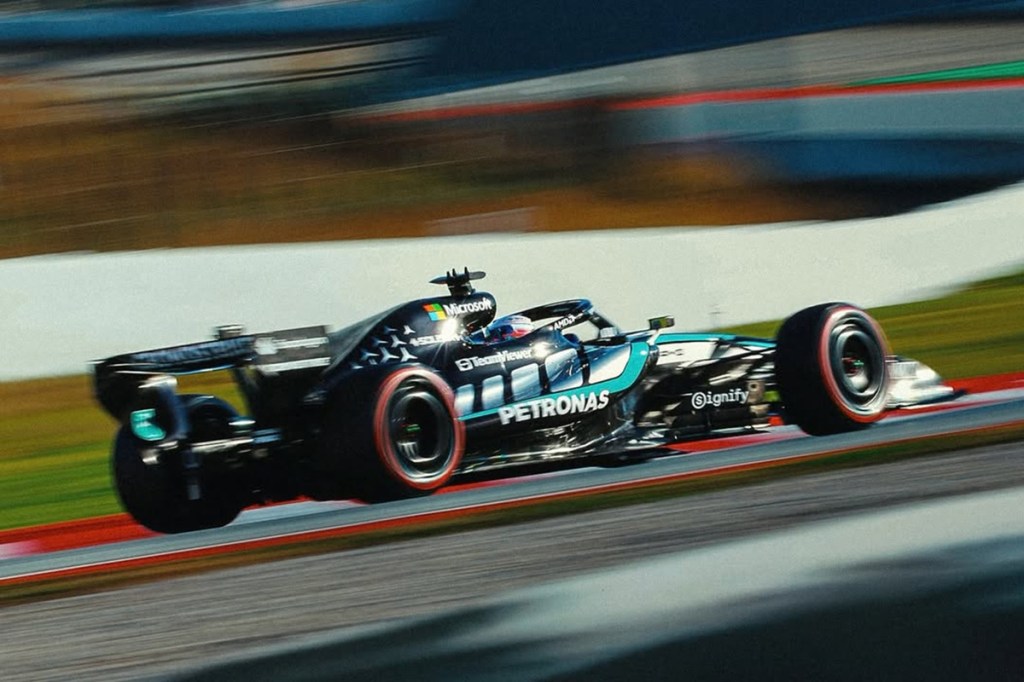
With the introduction of new Formula 1 power unit rules, debates over the compression ratio began even before any wheels started turning for the 2026 cars. Previously, the ratio of cylinder volume when the piston was at the bottom of its stroke compared to when it was at the top was 18:1, but this has been lowered to 16:1 for 2026—partly to help new teams enter more easily.
Rivals had learned thatMercedescan meet the 16:1 compression ratio during static testing, but could potentially reach a greater ratio when the vehicle is operating at higher temperatures.Audi, Ferrariand Honda together submitted a letter to the FIA requesting clarification, butfollowing an initial meeting of technical specialists on 22 January, the federation did not seem to be planning any immediate action.
Later, additional meetings have occurred, including the one held by the Power Unit Advisory Committee on Thursday. As per information obtained by , the compression ratio remained a key topic during discussions with all involved parties, although no definitive decision has been reached.
Competing companies continue to seek methods to encourage regulatory action, preferably before the upcoming season. The primary attention is on revised techniques for measuring the compression ratio.
Read Also:
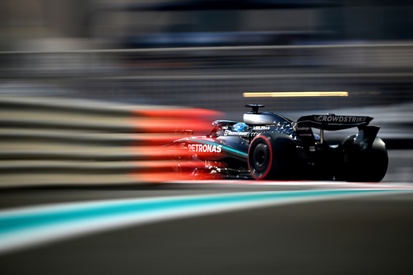
Currently, only static tests are performed at room temperature, but one concept being discussed is to carry out these tests once the engine has been warmed up. Conducting the tests under hot conditions would offer a more accurate representation and reveal any variations. Another suggestion is the use of sensors during driving.
Red Bull and FIA crucial for possible modifications?
However, all of this is simpler to say than to accomplish. Based on the PUAC governance structure alone, a supermajority is needed for any procedural change. This implies that four out of the five manufacturers, the FIA, and F1 must all concur as the initial step in the process.
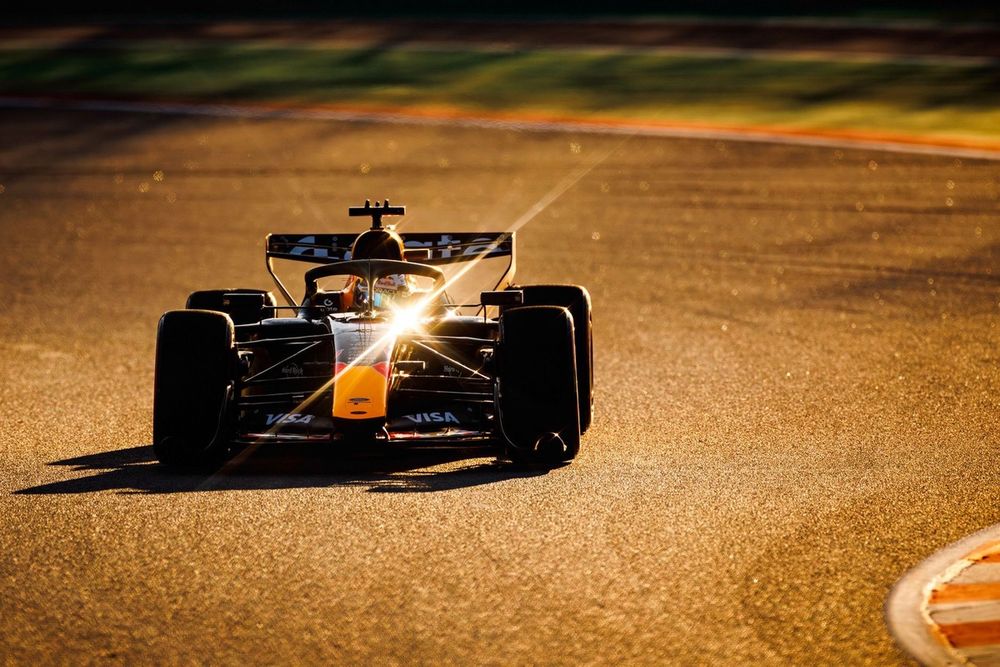
In this regard, Red Bull Ford Powertrains plays a significant role. Following the initial letter from Audi, Ferrari, and Honda, it became immediately apparent that three of the five power unit providers were advocating for a change.
In contrast, Red Bull was also associated with the engine loophole, although this perception has become somewhat more complex in recent weeks. There have been indications that Red Bull might be aware of Mercedes’ approach, but it would not necessarily object to any intervention. However, it could advocate for action if it believes its advantages are less significant compared to those of a major rival—Mercedes and its customer teams.
In addition to Red Bull’s position, the stances of the FIA and F1 are significant. These two entities typically align when it comes to technical issues. As previously noted, the FIA initially found no cause for involvement, but following yesterday’s meeting, it now involves waiting for the federation’s revised perspective. When questioned, an FIA representative stated that the issue is still being discussed internally and that any updates might be released at a later time.

Time moving forward toward the homologation deadline
If the testing process is updated, it could result in significant impacts. It would not only influence the competitive landscape, but it is also strongly connected to the certification deadline. The 2026 power units will be certified on 1 March, providing minimal or no time for any modifications if needed – particularly considering that changes related to engines usually demand a lengthy preparation period.
Toto Wolff has expressed his views very clearly. The Mercedes team principal mentioned before the team’s season announcement that other manufacturers should sort out their “issues”.
I simply don’t grasp why some teams focus more on others and continue to debate an issue that is quite clear and straightforward. The communication with the FIA has been very positive throughout, and it’s not just about the compression ratio, but also other matters. Specifically in this area, the regulations are very clear. The standard procedures are evident even for engines outside of Formula 1. So just sort yourselves out.
He stated: “The power unit is compliant. The power unit aligns with the way the regulations are worded. The power unit matches the manner in which inspections are conducted.”
Read Also:




 jasdooit
Leave a comment