
After many weeks of thoughtful consideration and study, we have reached the conclusion of our extensive exploration of personality disorders. Throughout this journey, we examined the three clusters—A, B, and C—unraveling the patterns that influence how individuals think, feel, interact, and manage their surroundings. We moved beyond mere labels to discover the personal narratives that lie behind these conditions, covering aspects such as suspicion, emotional detachment, intense emotions, reliance, perfectionism, and a need for control. This has been a path of discovery, empathy, and, we hope, increased comprehension.
This week, we begin a new section in our Mental Health Diary. There are certain mental health topics we tend to avoid, not because they lack significance, but because they cause us discomfort. We now speak softly about depression. We discuss anxiety more freely. Trauma has also gained a place in public conversations. However, there are still conditions that remain hidden due to silence, embarrassment, and misinterpretation. Paraphilic disorders are among these.
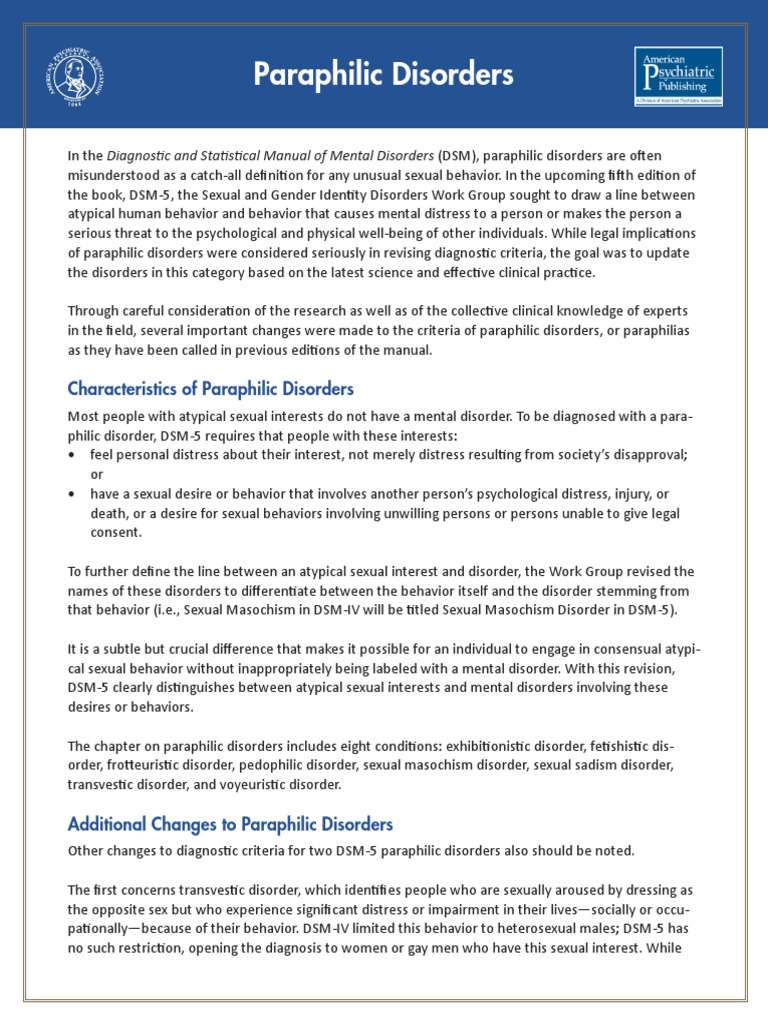
Paraphilic disorders involve situations where an individual has ongoing and strong sexual impulses, daydreams, or actions centered around unusual objects, scenarios, or people, leading to discomfort, difficulty in daily functioning, or potential danger to oneself or others. These are not temporary ideas or one-time actions. They represent recurring habits that seem hard to manage and frequently result in feelings of guilt, concealment, and internal struggle.
There are various kinds of paraphilic disorders. Some relate to non-consensual scenarios, others involve objects or particular circumstances, and some focus on power, watching, or control. Although many people immediately associate paraphilia with paedophilia, it is just one type among many. In fact, we could have easily begun this series there since it is frequently talked about and emotionally intense. However, we are not beginning with that topic; instead, we are starting with Voyeuristic Disorder, and there is a specific reason for that.
A few days back, I saw a post on a colleague’s WhatsApp status. He initiated a discussion about voyeurism, labeling it as inappropriate conduct and presenting it as a spiritual issue. As part of my professional duty, I commented beneath the post, providing a psychological perspective and explaining that voyeurism can, in certain instances, be classified as a mental health disorder. He appeared taken aback, shared my comment, and tagged me, publicly admitting he was unaware that voyeurism could be considered a mental illness.
That instant highlighted precisely why this series is essential.
Exhibitionistic Disorder goes beyond merely “watching others” or showing interest. It refers to a condition marked by repeated and powerful sexual excitement from observing an unaware individual who is undressed, in the process of undressing, or involved in private actions, without their awareness or permission. The main aspects include repetition, secrecy, absence of consent, and potential emotional or psychological suffering or danger.
A condition develops when these impulses continue over time, seem hard to control, disrupt everyday life, or threaten the privacy and well-being of others. Certain people have intense urges but feel upset about them and make an effort to avoid giving in. Others might give in to the impulses, usually in secret, while dealing with feelings of guilt, anxiety, and embarrassment.
This has nothing to do with curiosity. It is not related to moral weakness. Nor is it merely a matter of spiritual failure.
Numerous individuals experience voyeuristic tendencies influenced by underlying psychological elements. Emotions such as feeling insufficient, isolation, low self-worth, fear of closeness, challenges in building emotional bonds, or unaddressed emotional situations may all contribute. The act of observing from afar can generate a misleading feeling of control or connection without the exposure involved in genuine interaction.
In certain situations, actions may start in a subtle way, possibly due to unintentional exposure or media influence, and eventually develop into a way to manage stress, anxiety, or feelings of emotional void. As time passes, the brain starts linking relief or excitement with secrecy and watching, which strengthens the habit.
READ ALSO: Digital abuse and psychological well-being
The danger of voyeuristic disorder lies in its secrecy. Due to the reluctance or judgment surrounding discussions about sexuality, many individuals facing these impulses do not reach out for assistance. They convince themselves it’s only a temporary phase, attempt to pray it away without guidance, or suppress it through guilt. Some never recognize that support is available. Others are afraid that acknowledging their struggle instantly labels them as criminals or beyond redemption.
A significant concern is the presence of insight. Certain people acknowledge that their thoughts or actions are not beneficial and experience discomfort as a result. Others downplay or rationalize the behavior, thinking that no damage is caused since there’s no physical interaction. This absence of awareness postpones assistance and raises the danger.
The consequences are extensive. Within, the person might experience ongoing anxiety, fear of being discovered, and feelings of self-disgust. Outside, connections become strained. Confidence is damaged. Job performance could drop. Psychological challenges such as depression and anxiety frequently occur together.
With the assistance of professionals, people can learn to identify triggers, control impulses, question incorrect thoughts, and find better methods for dealing with emotional requirements. Therapy emphasizes accountability, security, and lasting changes in behavior. Numerous individuals experience substantial improvement once they stop concealing their issues and begin getting the right support.
Next week, we’ll keep examining paraphilic disorders, focusing on trends, dangers, and the routes to support. Until then, let’s keep in mind that awareness isn’t approval, and knowledge isn’t a sign of vulnerability. Occasionally, the most thoughtful action we can take is to educate ourselves, communicate, and react with insight and empathy.
Provided by SyndiGate Media Inc.Syndigate.info).




 jasdooit
Leave a comment