
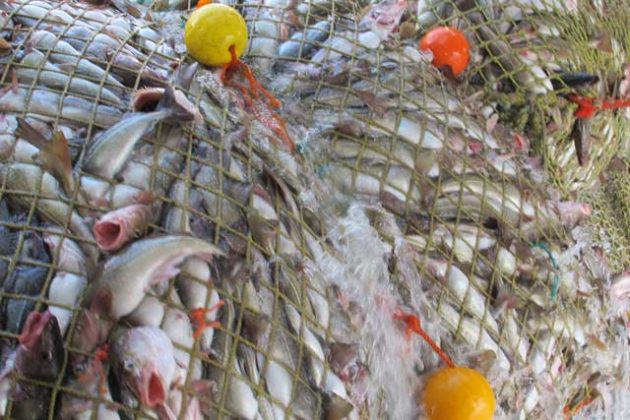
The government is working to unify laws related to animal husbandry, animal health, and fisheries into a single legislation, aiming to address regulatory gaps and bring the sector in line with international standards. The draft bill, approved by the Cabinet on January 28, consolidates provisions that were previously spread across four different laws, while introducing regulations in areas that were not previously covered. ALSO READ: How Rwanda’s farming methods are adapting to modern demands. Jean Claude Ndorimana, Director General for Animal Resources Development at the Ministry of Agriculture and Animal Resources, stated that the draft law aims to cover the entire animal production chain, from farming to animal health and fisheries management. Ndorimana explained that the bill has three main parts: animal husbandry, which includes various animals such as cattle and bees; animal health, to ensure compliance with the World Organisation for Animal Health (WOAH); and fisheries, to align with Food and Agriculture Organisation (FAO) standards. ALSO READ: Government standardizes fees for veterinary services. Why the law is necessary One of the main reasons for the proposed changes is the inconsistency between existing laws and the current institutional structure. Some of the laws still refer to the now-defunct Rwanda Animal Resources Development Authority (RARDA), which was replaced by the Rwanda Agriculture and Animal Resources Development Board (RAB). Ndorimana explained that this has created enforcement issues. For instance, cases of animal mistreatment during transport, such as cattle being tied by the horns or tails, are difficult to address clearly under the current legal provisions that assign responsibility to obsolete institutions. ALSO READ: Feed shortages and imports increase costs for livestock farmers. The draft law also introduces regulations in areas that are currently either weakly governed or not addressed at all. These include animal welfare, the transportation and movement of animals and animal products, and the regulation of the veterinary profession. “There has been no comprehensive law defining what veterinarians can do based on their level of training, whether they are TVET graduates or university-trained professionals,” Ndorimana told The New Times. He said this gap has affected the quality and safety of veterinary services. In addition, the proposed law addresses animal husbandry practices, genetic improvement, conservation of indigenous breeds like Inyambo cattle, animal feed value chains, and livestock traceability. It also aims to bring Rwanda’s framework in line with international requirements set by WOAH and FAO, especially in managing animal diseases, meat transportation, and veterinary practices. Farmers’ perspectives Stakeholders in the livestock sector believe the proposed changes could help resolve long-standing challenges. They emphasized the need for consultation about the bill before it becomes law. Jean de Dieu Hakizimana, chairperson of Rwanda’s poultry farmers, highlighted the issue of middlemen in the supply chain as a major concern. He said these middlemen often buy produce from farmers at very low prices before selling it to consumers at much higher rates. “This imbalance should be considered when evaluating the bill, including how the value chain is structured and who should be involved,” Hakizimana said. He also noted that poultry farmers face challenges due to a lack of specialized veterinarians. According to him, the same veterinarians often handle both poultry and large livestock, limiting effective disease management despite the existence of insurance schemes, particularly for layer chicken farmers. Jean-Claude Shirimpumu, a farmer from Gicumbi District and chairperson of Rwanda Pig Farmers’ Association, said clear legal standards would help prevent malpractice across the sector. “Agriculture is the backbone of the country’s development. Without clear laws, it is difficult to hold people accountable for practices such as poor-quality animal feed or unsafe slaughtering methods,” he said. Shirimpumu added that the absence of regulation means that animals are slaughtered in unsuitable environments and transported in harmful ways, affecting animal welfare and public health. He argued that proper classification of farmers, based on capacity, could also improve standards and productivity. “In countries where agriculture is well regulated, these malpractices are rare. We expect a system where farmers earn fair returns compared to their production costs,” he said. He emphasized the need for meaningful consultation about the bill involving farmers. Cattle farmers have also welcomed the move, saying it will address issues in veterinary services. Janviere Mukankubana from Burera District said the absence of clear professional boundaries often delays effective treatment. “When a cow falls sick, we first call the nearest veterinarian. If they fail, we are advised to look for more specialized services, sometimes when it is already too late,” Mukankubana said, adding that a law clearly defining responsibilities could prevent such situations. She also raised concerns about animal mistreatment during transportation, noting that cattle are sometimes tied or handled in ways that cause injury, practices she believes stronger regulation could help eliminate.
Provided by SyndiGate Media Inc.Syndigate.info).



 jasdooit
Leave a comment