
The challenge of poverty and food insecurity in Zimbabwe is closely linked to its difficulties in accessing energy.
From countryside homes to family-owned farms and unstructured marketplaces, energy influences the way food is grown, handled, kept, and cooked. However, energy continues to be one of the most unevenly spread resources in the nation.
For millions of rural families, especially women, energy poverty is not just a theoretical issue but a daily challenge that worsens food shortages, strengthens gender disparities, and hinders economic growth.
If Zimbabwe is genuinely committed to eradicating hunger and improving living conditions, sustainable energy should be a core component of its development strategy.
Women play a central role in Zimbabwe’s food systems. Worldwide, women constitute more than 37% of the rural agricultural labor force, increasing to 48% in low-income nations.
They make up almost half of the world’s small-scale livestock keepers and contribute a comparable amount to the labor force in small-scale fishing, as stated in the FAO’s Policy on Gender Equality (2020–2030).
Zimbabwe mirrors these worldwide trends. Women are prominent in small-scale farming, informal food trade, and preparing meals at home.
Strangely, they are also more prone than men to face food insecurity across all regions of the globe.
This inconsistency reveals a systemic flaw, where individuals involved in food production and preparation frequently lack the power to obtain essential resources, particularly energy, that could enhance their efficiency and way of life.
Energy deprivation, which refers to the absence of access to contemporary, dependable, and cost-effective energy services, mainly impacts women in rural areas.
The 2018 FAO publication titled “Costs and Benefits of Clean Energy Technologies in the Milk, Vegetable and Rice Value Chains” points out how conventional gender roles and women’s restricted access to assets increase this challenge.
Women dedicate more hours each day to work and invest additional time in unpaid, physically demanding, and monotonous tasks.
In the rural regions of Zimbabwe, women and girls are mainly tasked with gathering firewood, obtaining water, and collecting animal feed.
These duties take up hours every day, time that might otherwise be used for learning, earning money, or relaxation.
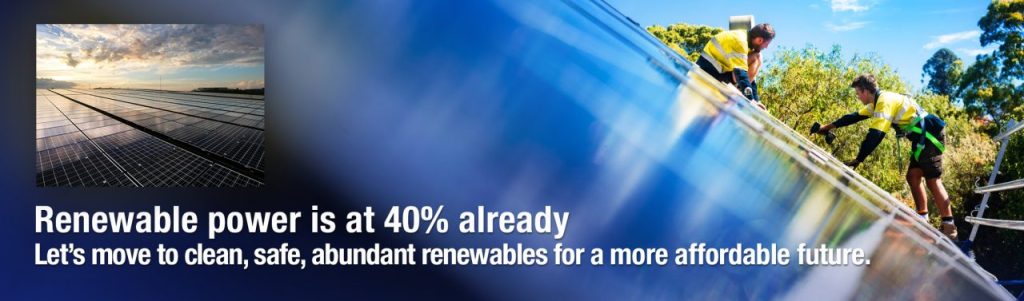
Renewable energy holds the potential to break this pattern.
The availability of clean cooking solutions can decrease the time required to gather firewood and reduce contact with indoor air pollution, a significant contributor to respiratory diseases in women and children.
Solar-driven water pumps have the potential to substitute manual water gathering, releasing women’s time and enhancing farming practices and agricultural output.
Sustainable energy sources used in grinding, cooling, and agricultural processing can help minimize waste after harvest, enhance product value, and provide more stable earnings for small-scale farmers.
These are not minor improvements; they represent significant shifts that clearly connect energy availability to food stability and the fight against poverty.
Nevertheless, technology by itself is insufficient. Numerous encouraging energy initiatives fail as women, who are the main users, are left out of the decision-making process.
If women are excluded from planning, funding, and decision-making processes, energy initiatives frequently fail to address their actual requirements or limitations.
The importance of FAO’s efforts to elevate women’s voices at both societal and structural levels is therefore essential.
Women have a better understanding than most people of the energy requirements for their homes, families, and farms.
When their viewpoints influence the design and execution, energy services are more likely to be embraced, preserved, and continued throughout agricultural supply chains.
The connection between women’s empowerment, energy, and nutrition is particularly significant in Zimbabwe, where child malnutrition continues to be a major issue.
When women boost the income they generate and gain influence at home, in organizations, and within their neighborhoods, they often allocate more resources toward their families’ welfare compared to men.
This involves expenditure on a variety of diets, medical care, and learning.
Renewable energy can speed up this positive cycle by supporting businesses led by women, enhancing efficiency, and decreasing unpaid work. This helps to boost family food security and enhance the nutritional results for children.
Renewable energy plays a crucial role in building climate resilience. Zimbabwe is currently facing increased occurrences of droughts, unpredictable rainfall patterns, and severe weather conditions.
Sustainable energy options like solar-powered irrigation, biogas, and standalone power systems promote climate-conscious farming and decrease reliance on costly and unstable fossil fuels.
For small-scale farmers, especially women who have limited access to loans, decentralized renewable energy provides a viable way to cope with climate-related challenges without increasing debt or harming the environment.
However, major obstacles still exist. The initial expenses associated with clean energy technologies can frequently be too high for rural families.
Restricted access for women to land ownership, financial resources, and collateral hampers their capacity to invest in energy technologies.
Tackling these challenges involves intentional policy decisions: financial support that considers gender, specific incentives, accessible extension services, and community-driven ownership structures that acknowledge women as both participants and leaders.
Energy planning should go beyond national power systems and city areas, focusing instead on decentralized and small-scale grid solutions that suit rural conditions.
In the end, renewable energy goes beyond mere electricity and physical structures; it involves social power—determining who possesses it, who manages it, and who gains from it.
In Zimbabwe, increasing access to renewable energy can aid in breaking down the systemic inequalities that continue to poverty and hunger among women, even though they play a crucial role in food production.
By supporting energy initiatives focused on women, the nation can achieve improvements in food security, dietary health, education, and economic stability that benefit future generations.
Removing individuals from poverty and starvation in Zimbabwe will necessitate comprehensive approaches that acknowledge the relationship between energy, gender, and agricultural systems.
Renewable energy, created and managed with women as the focal point, represents one of the strongest tools for transformation.
Disregarding this connection would continue a pattern of lack.
Adopting it may contribute to creating a fairer, healthier, and stronger Zimbabwe.
*Gary Gerald Mtombeni is a journalist based in Harare. He writes here on his own behalf. For comments, please email[email protected]/ call — +263778861608
Provided by SyndiGate Media Inc.Syndigate.info).




 jasdooit
Leave a comment