
A recent ranking has identified Europe’s most challenging cities for getting a good night’s sleep—and highlighted where British travelers could potentially find quality rest on their upcoming short-haul vacations.
The European Sleep Index 2026 evaluated sleep environments in 25 cities to identify the top and bottom places for falling asleep.
By utilizing environmental and lifestyle data strongly associated with nighttime disturbances, the index evaluated noise levels, light pollution, air quality, and smoking rates,alcohollevels of consumption and typical sleep length for individuals living in cities as well as those visiting urban locations.
Each element was subsequently assessed through a penalty-point system, where lower scores indicated improved sleep environments.
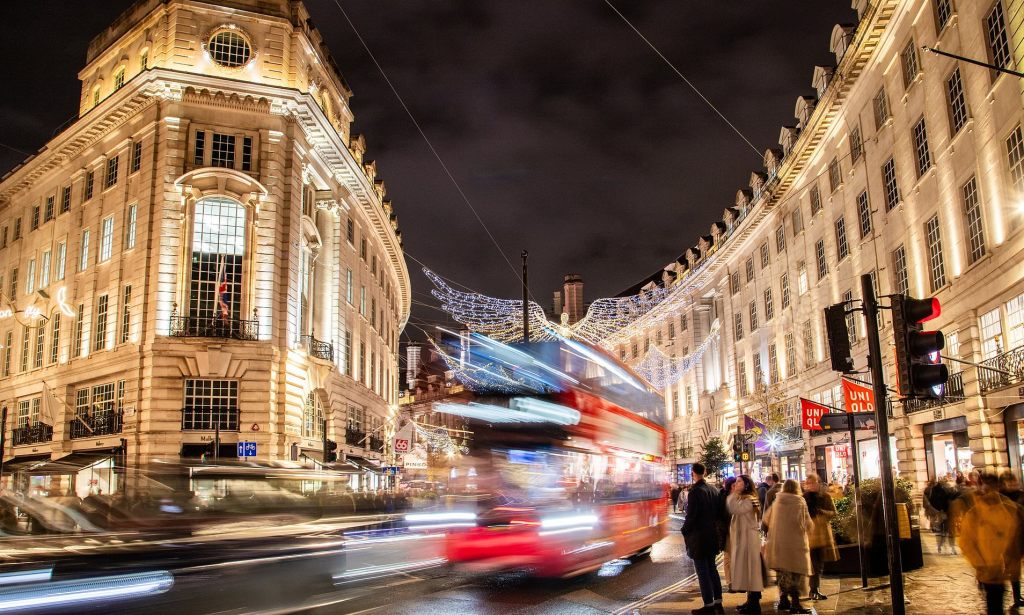
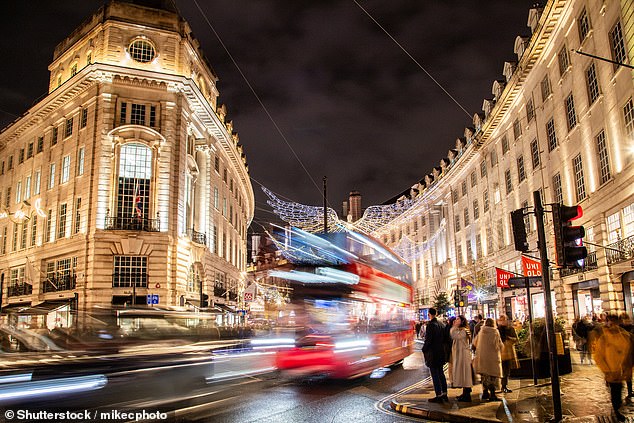
Among the poorest performers isLondon, which placed 20th among 25. It achieved a score of 36.12 out of a maximum of 70 according to the index’s penalty-driven scoring method.
In addition to air pollution and late-night travel, exposure to noise was recognized as a major contributor to poor sleep quality in the capital.
These elements, combined with significant foot traffic, vibrant nightlife, and ambient noise, lead to unavoidable sleep disturbances for both visitors and residents, particularly in areas heavily reliant on tourism that feature hotels and vacation rentals.
Nevertheless, the index demonstrates that the size of a city does not influence sleep results, as shown by Paris, which achieved better outcomes even with comparable density, tourism, and transportation challenges.
At the base of the table lies Prague, succeeded by Warsaw and Barcelona, cities known for prolonged nighttime noise, specific zones with late-night activity, and increased traffic volumes.
Prague placed low on the list because of elevated levels of alcohol consumption and smoking, as well as significantly higher noise pollution than other cities.
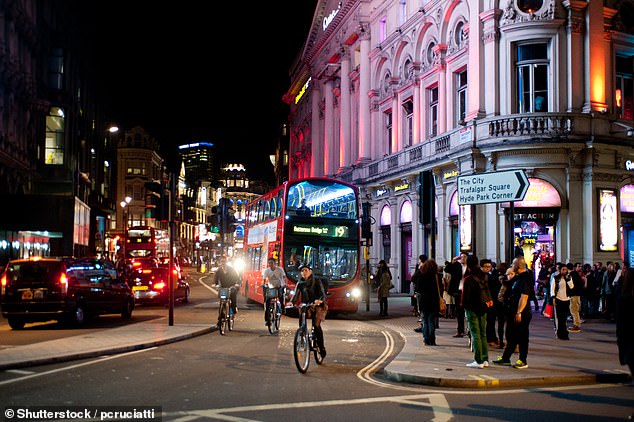
Barcelona, placed third on the list of cities with the worst sleep conditions, had the highest noise pollution rating among 25 cities because of its large number of tourists, lively nightlife, and crowded living areas.
On the other hand, Zurich was identified as the top European city for sleep, with Amsterdam and Stockholm coming in second and third place.
These urban areas achieved good results because of reduced noise and more effective handling of nighttime activities.
Although Zurich has minimal light pollution and acceptable air quality, both Amsterdam and Stockholm implement methods for reducing noise via thoughtful city design, such as incorporating green areas and managing traffic to minimize sound.
Rodney Ryu, Managing Director at Coway Europe, who carried out the research, stated: ‘Travelers frequently believe that bad sleep is simply a consequence of exploring a lively city, yet the data indicates that certain locations handle nighttime conditions significantly better than others.’
Exposure to noise and air quality, especially, significantly affects the quality of sleep, regardless of whether individuals reside in an urban area or are staying temporarily.
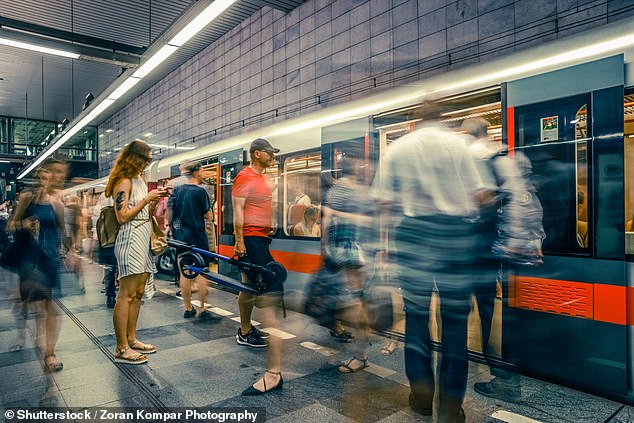
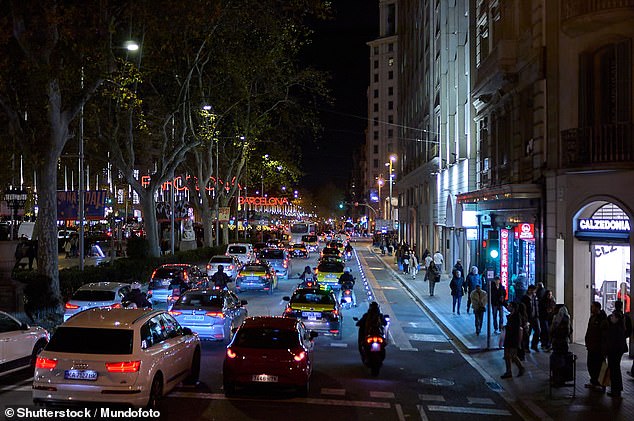
Unhealthy sleep is not a necessary aspect of city travel. Urban areas that prioritize reducing noise, improving air quality, and planning for nighttime create improved environments not only for locals but also for tourists.
Another setback for the UK’s capital,London has been named the world’s most problematic megacity in terms of traffic congestion.– at average speeds slightly above 10 miles per hour.
Drivers in London are experiencing major delays, according to a new report from TomTom, which indicates that a six-mile journey takes an average of 35 minutes and seven seconds, reinforcing the city’s reputation for having the slowest traffic globally.
The report also discovered that average commuting times in the capital have increased by 45 seconds compared to last year, causing the average driver to waste an impressive 136 hours each year trapped in traffic during peak hours.




 jasdooit
Leave a comment