
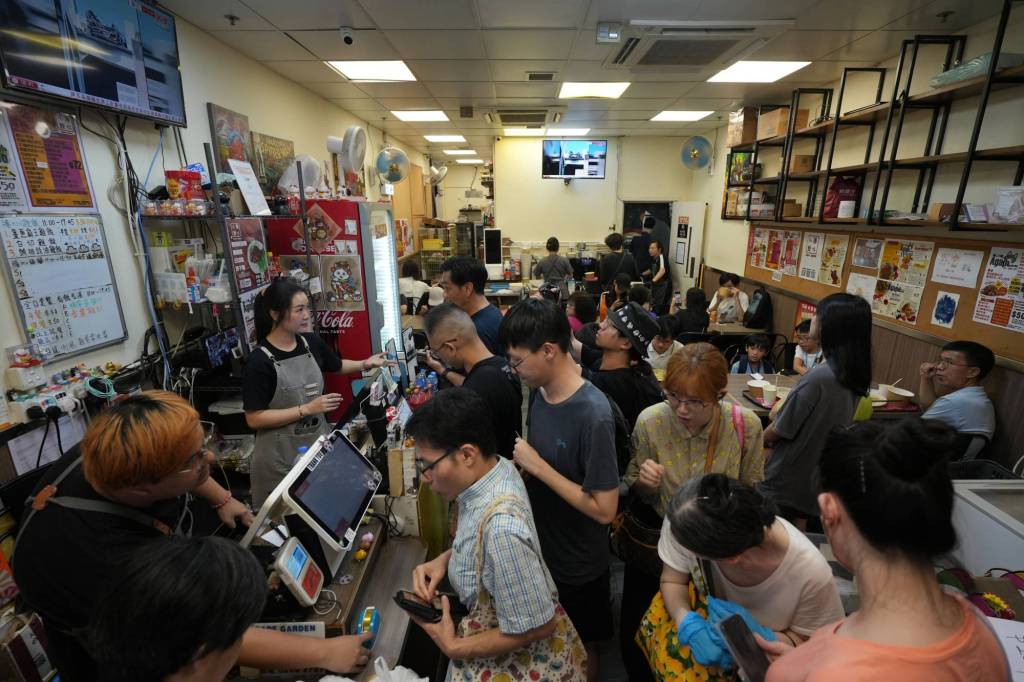
The sensitive project was halted following incorrect power supply information provided to bidders by the Housing Authority, leaving Agape Garden in an uncertain situation.
A social enterprise based in Hong Kong, recognized for supporting disadvantaged communities, has faced a setback due to a technical issue from housing officials during the bidding process for retail space.
The proprietor of Agape Garden, a dining establishment that was compelled to shut downin July last yearBecause of an unexpected government decision to take back the space, a bid was submitted for a shop in Shek Kip Mei Estate last November.
Nevertheless, the Housing Authority canceled the bidding process a month later upon discovering a mistake in the power supply details given to the participants, even though they had collected a HK$25,000 (US$3,200) deposit from them.
Are you curious about the major issues and global trends? Find the answers withSCMP Knowledge, our latest platform offering carefully selected content including explainers, FAQs, analyses, and infographics, presented by our acclaimed team.
The manager of Agape Garden, known as Lam, mentioned that the tender had not been reopened since, a choice that has hindered the business.
“We chose to launch a retail business instead as we wished to remain in the community, continue employing and supporting the less fortunate,” he stated.
If we had won the contract for that round, we would have been able to open the store in January, but now our expectations have been ruined.
Lam urged the government to restart the bidding process for the commercial division at the earliest opportunity.
As a social enterprise eatery, Agape Garden offers employment opportunities to individuals with mental disabilities, single mothers, and the elderly, while serving hot meals to approximately 100 seniors in need daily.
Every weekend, it collaborated with volunteers from diverse backgrounds to hand out food provided by business partners. It also provided meals for stray cats and helped them find new homes.
The restaurant was asked to sign a new lease with the Housing Authority in May of last year, after talks about renewing the tenancy, but the proposal was suddenly halted and then canceled.
The officials instructed the company to leave the location by July 14, stating they have different plans for the area.
Following the shutdown of the restaurant, the company kept operating by selling dolls and holiday foods crafted by single mothers and domestic violence survivors at trade shows and via the internet. It also assisted vulnerable seniors by offering free meals and organizing a winter solstice feast for them.
Lam emphasized that having a physical store in the community was crucial for the business, as it would make its services more accessible to people in need. He intended to sell snacks and handmade items created by single mothers at the shop.
“We also looked at other empty commercial properties in the area, but the landlord didn’t seem to have invited bids for those spaces,” he said.
A report by the South China Morning Post earlier this week revealed that the old premises on the ground floor of Mei Kwai House remained empty, seven months after the restaurant shut down. At least four retail spaces in the same building were also unoccupied.
Approximately a five-minute walk away at Mei Hei House and Mei Pak House, there were at least seven empty commercial spaces featuring “for rent” signs on their entrances.
Significantly, seven units were categorized as light public housing management offices, yet none were functional.
The Housing Authority stated that just two retail units, located in blocks 19 and 20, with one found within a wet market, were up for bidding.
The area Lam wished to lease, situated in block 20, was also no longer available on the official website for bidding.
The official stated that it had apologized to every bidder for the error in the tender document’s specifications and had refunded their deposits.
However, it did not directly answer the SCMP’s question regarding when the tender would be reopened.
“Over 900 units added in Pak Tin Estate Phase 10 have led to shifts in the local population, while the late December launch of Pak Tin Market has expanded shopping choices,” it stated.
The authorities are using this chance to examine the types of businesses and facility details of the commercial units in Shek Kip Mei Estate. Once this assessment is finished, the Housing Authority will reorganize the bidding process for the shops at the earliest opportunity.
It mentioned that the location once used by Agape Garden is currently being renovated and will open as a small public housing information center by the end of March.
Pak Tin Estate is a public housing area that is partially constructed on a hillside. The social enterprise did not take into account the retail areas there because of the difficult location.
More Articles from SCMP
Hong Kong’s most exciting new openings, including Toni Au’s Ébauche and the Hilton’s new Motto hotel
Indonesia is on course to achieve a 10% growth rate by 2029, according to energy envoy Hashim.
SCMP’s Top Picks: Tourbillon Golfer Achieves a Hole-in-One at Happy Valley
This piece was first published in the South China Morning Post (www.scmp.com), a top news outlet covering China and Asia.
Copyright (c) 2026. South China Morning Post Publishers Ltd. All rights reserved.




 jasdooit
Leave a comment