
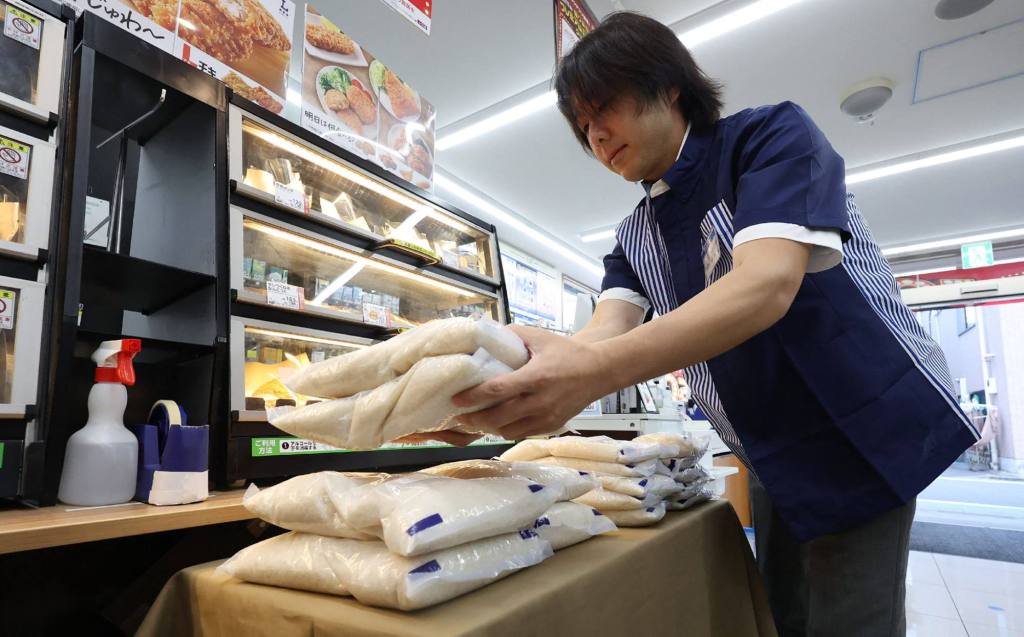
New statistics from the labor ministry indicate that the cost of living crisis is worsening, with inflation remaining higher than wage growth for employees.
Despite a clear electoral win based on pledges to alleviateJapanThe cost-of-living crisis, new government data released this week indicates voters’ confidence in the Prime MinisterSanae TakaichiThe concept of “trickle-down” prosperity from their side might soon face scrutiny.
Initial data from the labor department indicates that wages, adjusted for inflation, decreased by 1.3 percent during the previous year, continuing a three-year decline in real earnings as the cost of basic necessities kept increasing faster than salary growth.
Last year, the typical employee received 355,919 yen (US$2,280) per month, including additional payments and extra hours — a 2.3 percent increase in nominal value, yet still significantly lower than the inflation rate, which was just above 3 percent.
Are you curious about the most significant issues and developments from across the globe? Find the solutions withSCMP Knowledge, our latest platform featuring curated content including explainers, FAQs, analyses, and infographics, presented by our acclaimed team.
The core inflation rate, which has surpassed the Bank of Japan’s 2 percent goal for four consecutive years, underscores the challenge confronting officials: much-desired price increases have finally emerged, yet at a speed that is eroding consumer buying capacity.
The most significant price increases were seen in essential foods and daily necessities, with rice prices jumping by over 60 percent in 2025, along with rises in coffee, chocolate, and household products. Energy expenses also went up even though the government imposed limits on fuel and electricity costs.
A survey conducted by TBS Television revealed that more than 96 percent of participants believed they were directly impacted by increased costs, while less than 2 percent claimed they had not been affected by declining real incomes.
Noriko Hama, an economics professor at Doshisha University in Kyoto, stated that the prime minister seemed to be focusing on maintaining Japan’s global competitiveness “instead of addressing the cost-of-living crisis that most citizens are experiencing.”
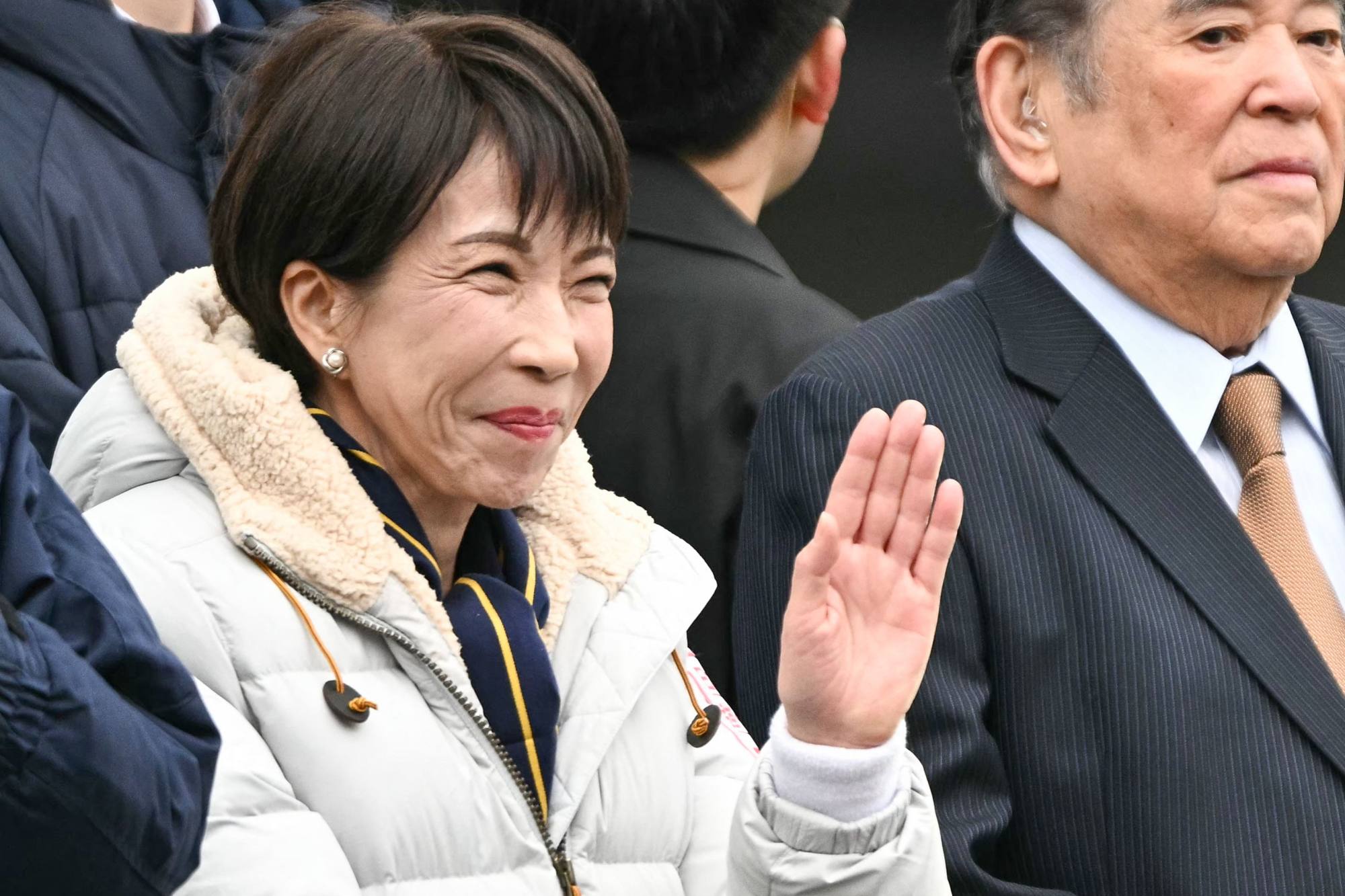
“Takaichi mentioned she would address the issue of prices and salaries, but I don’t observe enough focus being given to this,” Hama stated to This Week in Asia.
She desires robust strategic industries that will bolster the defense sector, and she continues to hold the view that, in time, wealth will flow downward, real wages will rise, and all will be content.
But Hama contended that this belief in “trickle-down” economics “has never been effective anywhere else in the world.”
Nevertheless, she mentioned that the decisionLiberal Democratic PartyThe vast majority of votes cast in Sunday’s election would be interpreted by the government as a validation of Takaichi’s strategy.
Pay packet pain
Following years of Japan grappling with deflation, the economic situation had ultimately shifted in the opposite direction, as observed by Martin Schulz, head of policy economics at Fujitsu’s Global Market Intelligence Unit.
“It’s extremely annoying for the Japanese population since they notice their income rising, yet they are aware that they are still in a worse position due to inflation,” he stated.
As economists, we observe the gap between the policies that have been pledged and even put into action … and how they have actually unfolded.
Schulz stated that Takaichi’s economic approach focused on revitalizing local industries and decreasing dependence on both the United States and China, noting that this had boosted demand-side activity but carried the risk of triggering inflation.
“Takaichi faces pressure to stabilize the yen, but if she stimulates the economy too much, inflation could become more entrenched and real wages might decline further,” he said.
Although she holds significant political power, Schulz indicated that Takaichi might have around a year to close the gap between prices and wages.
Many employees are currently experiencing dissatisfaction due to increasing costs. A reader who posted on the TBS website mentioned that the cost of a basic bento meal has increased by 20 to 30 percent.
“My income isn’t sufficient anymore, and both my electricity bill and car insurance have increased,” the reader mentioned.
Another person stated, “if prices continue to rise, individuals may begin to save more and reduce their spending on clothes and social activities.”
“I’m becoming more and more unhappy as the recession gradually affects our industries,” said a third person.
More Articles from SCMP
China may surpass the US economically – and yet face conflict in the Taiwan Strait: study
Envoy calls for ‘mutual prosperity’ in China-ASEAN relations as protectionism increases
Chinese researchers contribute to developing a ‘machine eye’ that could surpass human visual speed
This piece was first published in the South China Morning Post (www.scmp.com), a top news outlet covering China and Asia.
Copyright (c) 2026. South China Morning Post Publishers Ltd. All rights reserved.




 jasdooit
Leave a comment