
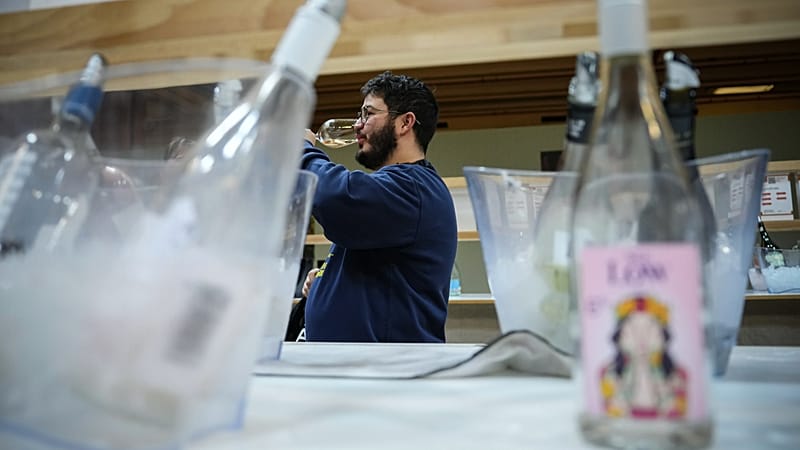
A few years back, it appeared that you had to speak softly if you decided to consume non-alcoholic wine.
Currently, the industry has been compelled to alter its practices and manufacturing processes because consumers are progressively looking for options other than alcohol.
At the Wine Paris exhibition this week, numerous bottles of non-alcoholic reds, whites, rosés, and sparkling types have been chilled and on display.
Initially tucked away in a corner, the rapidly expanding sector of no- and low-alcohol drinks has now taken center stage, with producers from throughout Europe and beyond presenting their newest creations. The selection of beverages is now abundant, offering a broad range of flavors.
Industry experts state that demand is increasing because people are becoming more health-aware and conscious of the negative impacts of alcohol.
Katja Bernegger, the founder and CEO of Zeronimo Wine from Austria, stated: “If you are part of society but cannot drink for any reason…currently, you’re left with just orange juice or coke. You feel excluded,” said Bernegger.
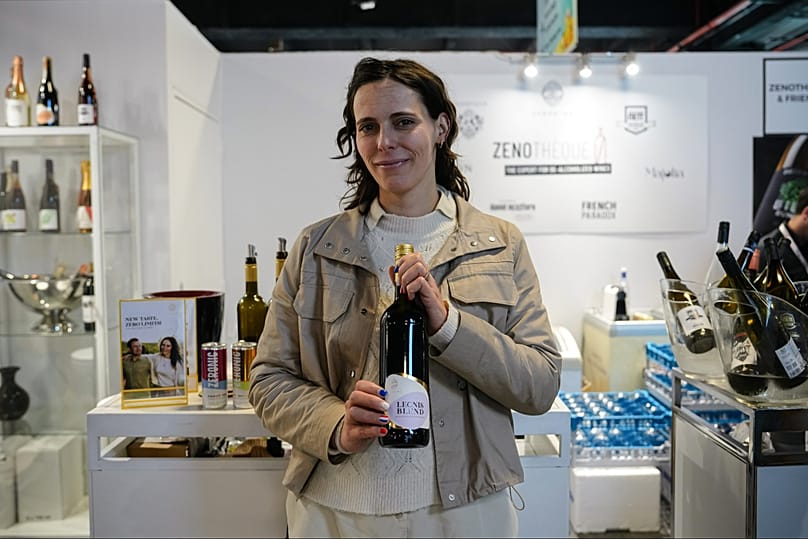
You must clarify why you don’t consume alcohol. You wouldn’t want to celebrate with that. It’s also not suitable for food combinations. It doesn’t fit. It’s overly sweet. Therefore, you’re only experiencing half the enjoyment in life. And this is why we require more refined non-alcoholic choices.
In France, similar to many European nations, there has been a significant decrease in the number of individuals consuming wines and spirits in recent years. Many adults no longer have wine with most of their meals, and younger generations are more likely to consume less alcohol or none at all compared to their predecessors.
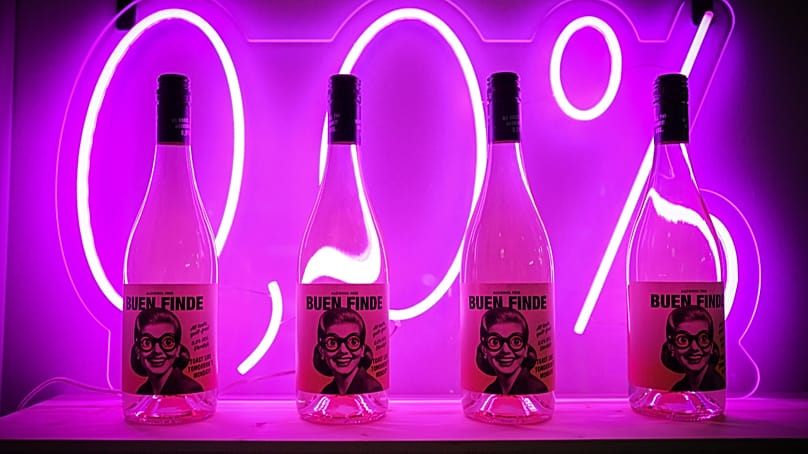
It’s a market that’s expanding, and I believe it’s not just a passing trend. It’s here to remain as individuals become more conscious of their physical well-being, and they are paying attention to the effects of alcohol,” explained Bernegger. “If you consume alcohol today, you might experience a headache tomorrow, and people don’t want that because they need to perform, they have children, and they have responsibilities. Therefore, yes, we live in a performance-driven society, and increasing awareness is becoming a significant concern.
However, not everyone believes that less is more. Some wine sellers argue that alcohol-free drinks remove a crucial component: taste.
It can often be a rather frustrating experience since you feel as though you’re encountering a lack of flavor, fragrance, and complexity,” noted Guy Tabourin, a wine seller from Luxembourg. “Alcohol in a wine actually supports the wine, and when you take away what supports it, you’re essentially destroying the wine.
Nevertheless, merchants recognize potential among customers seeking to socialize without consuming alcohol.
Many people believe that enjoying oneself in France requires consuming alcohol. However, Justine Bobin, who runs a delicatessen, states, “We are doing just fine and maintaining a positive mood without any alcohol.” “Furthermore, it provides an option for all individuals and fosters unity. I consider it more of an inclusive product, especially for those who abstain from drinking alcohol, and that’s wonderful.”
Slogans such as “No Alcohol, No Regrets” make it evident that the message from the exhibition floor is clear: alcohol-free wine is transitioning from a specialty item to a popular option.

 jasdooit
Leave a comment