
Giving homelessYoung people receiving up to $15,800 in unrestricted cash to use as they see fit might not seem like a wise way to spend public funds.
But that is precisely whatNew York Cityhas begun implementing a contentious new initiative called Cash with Care, designed to assist young people in leaving shelters permanently.
The pilot program offers 60 homeless individuals between the ages of 18 and 24 a monthly payment of $1,200 for nine months, along with a one-time $5,000 payment — totaling up to $15,800 per person, without any conditions or limitations on how the money is spent.
A $1.5 million initiative, endorsed by the City Council in December, quickly drew attention, leading to doubt not only among residents and opponents of City Hall, but also from officials at the location where the beneficiaries reside.
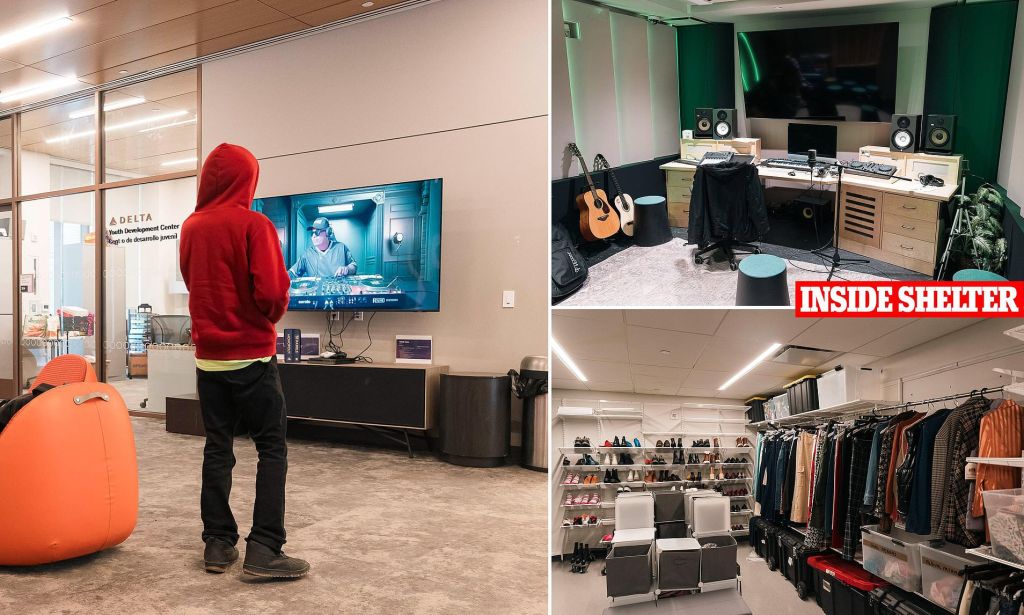
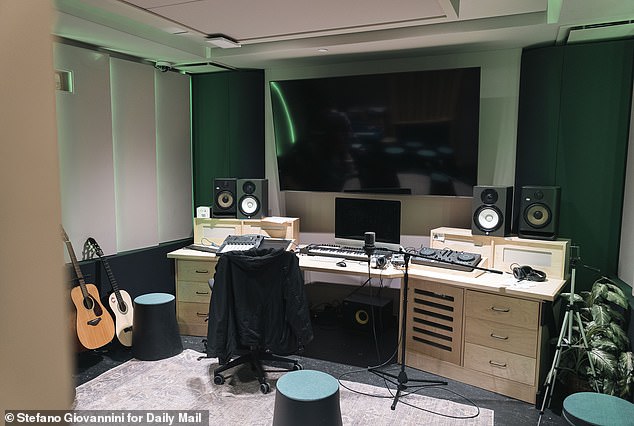
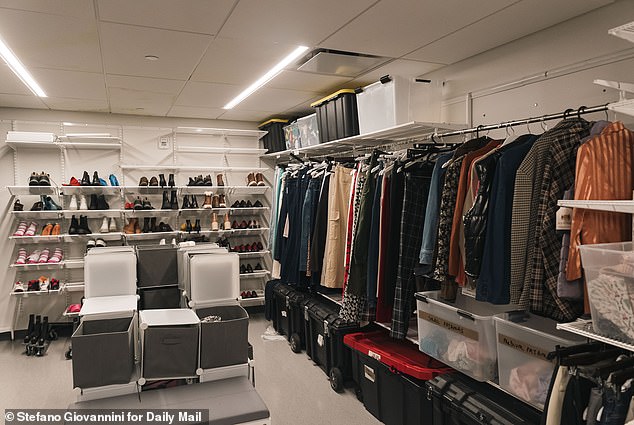
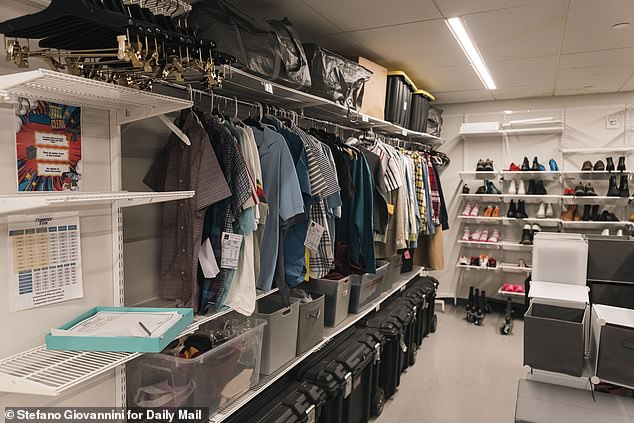
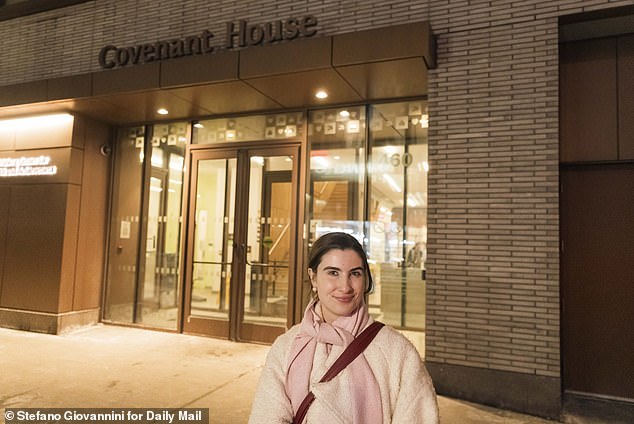
Covenant House is the city’s biggest organization offering support to homeless young people, and its four-floor, advanced facility features a premium recording studio, a basketball court funded by the NBA, and a walk-in closet filled with free clothing.
Numerous young individuals residing there have fled from perilous home situations, familial disapproval, and sexual exploitation.
City council member Frank Morano stated to the Daily Mail that although youth homelessness is ‘a genuine and distressing issue,’ he remained doubtful about the effectiveness of aid and wondered if unregulated cash was the right solution.
“New Yorkers have the right to be fully informed about the results we are achieving with that funding,” Morano stated, highlighting housing security, education, and lasting self-sufficiency as indicators of progress.

Taxpayers agreed, in a Reddit thread last month, they voiced their worries through a single statement: ‘I prefer to allocate my tax money towards beneficial causes, thank you!’
I believe taxes are intended for roads, public infrastructure, and national security. This is something individuals can choose to participate in if they support it or opt out of if they don’t. If you find it beneficial, you’re welcome to back it—however, I have doubts about its effectiveness, so I prefer to avoid it and focus my charitable efforts elsewhere.
Another addedGuaranteed Income Program is a societal framework. Its effectiveness is uncertain.
You might claim that providing a stable income could reduce people’s desire to work, while those who face difficulties may feel their hard-earned money is being given to the idle.
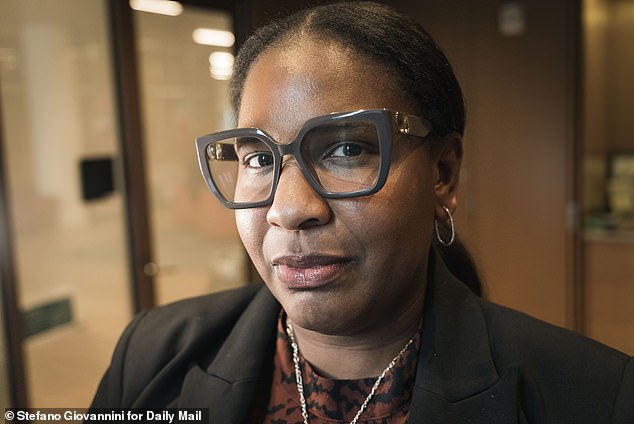
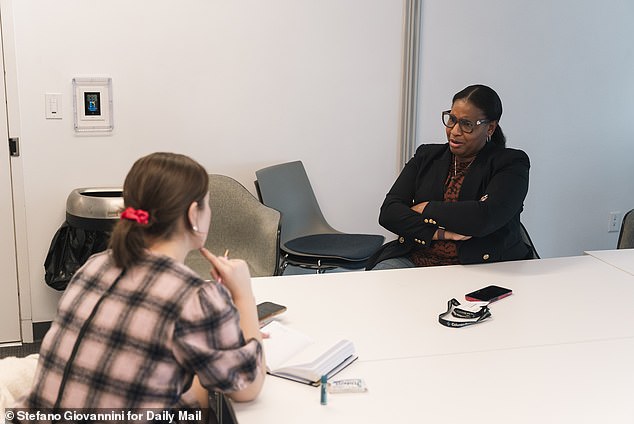
In an exclusive visit to the center, the CEO of Covenant House New York told the Daily Mail that she wasn’t initially convinced about the idea of free cash but has now reconsidered her stance.
“Are you going to hand kids this surge of money without offering them any direction?” Shakeema North-Albert remembered wondering, as she was concerned about how young people with little financial knowledge would handle the payments.
She mentioned that comparable initiatives in different regions of the country had triggered worries when certain individuals used money recklessly or redirected funds to relatives and friends prior to securing their own housing.
However, what ultimately changed her perspective was the fact that the program offers young people assistance in addition to the money, including financial guidance, educational support, and mental health services, with the aim of helping them obtain more stable housing faster, achieve food security, and eliminate debt.
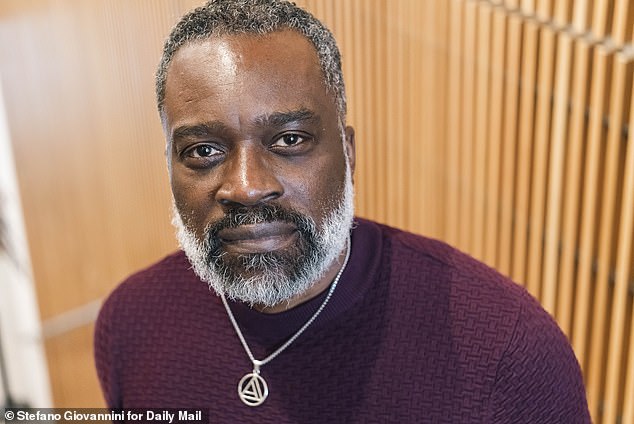
Lyndell Pittman, the senior vice president of support services at Covenant House, mentioned that his first response to the plan was even more direct.
When we first received this, I wasn’t a believer,” Pittman said to the Daily Mail. “I thought, ‘This doesn’t add up. We’re just going to give these kids money, and how are we going to keep them from messing up?’
Pittman was most worried about the freedomfunds did not result in any damage.
Both leaders mentioned that as the initiative progressed, their perspectives changed, with initial signs showing participants were being careful with their spending and, in certain instances, not using the funds at all.
Even though the payments have been distributed for just two months, Pittman mentioned that approximately 40 percent of participants had “hardly spent any money since the beginning” — a finding that contradicts the expectation that young people would quickly use up the money. He suggested this behavior might indicate either prudent saving habits or anxiety.
“Since they’ve never possessed this amount of money before, there’s an anxiety about spending it,” he remarked, likening it to the surprise of being ‘trusted’ with a first credit card.
North-Albert thinks that, over time, this approach will result in financial savings. She pointed out that housing a young individual in a shelter for a year can cost the city approximately $70,000, whereas providing direct cash assistance through Cash with Care amounts to $15,800. She argued that even small decreases in the duration of shelter stays could greatly alter the financial balance.
The Daily Mail interviewed young participants in the program, whose names remain confidential, regarding how they are utilizing the money.
A 20-year-old artist mentioned that prior to receiving his initial payment, he had no source of income., but now he was handling multiple jobs and striving for his GED. He spoke about his future with remarkable confidence.
“I’m set to attend Juilliard soon,” he said – notif, but when.
The musician, who also plays the viola and clarinet, sings, raps, performs at gatherings, and offers instruction, mentioned that the monthly payments enabled him to invest in his art, paying for musical materials and personalized coaching.
“I’ve kept most of it – around 95 percent,” he stated, adding that he is saving the funds for university and upcoming costs.
Most importantly, the money has given him the opportunity to plan and find work instead of rushing to stay alive.
Another individual, aged 20, is discovering the concept of handling finances for the first time – and how to invest in his own future.
He has been utilizing the payments to explore photography, taking pictures on his iPhone and learning to edit through pre-installed applications. It serves as a beginning, yet it is already assisting him in developing abilities and self-assurance.
He characterized the income as a form of practical assistance and an education in accountability.

It feels great, but I am aware that it’s meant to educate me on financial duties, such as how to save money and manage a budget,” he said. “I know I can’t be careless and spend it all.
The funds assist with expenses such as meals outside the shelter, travel, monthly bills, his mobile service plan, additional storage for his photographs — and the occasional luxury.
It’s beneficial to indulge yourself, but… avoid excessive spending,” he remarked. “There must be a boundary.
A 19-year-old man who arrived at Covenant House in June without any plans other than finding a secure place to sleep had recently moved into a Brooklyn apartment with another person from the same facility when he began receiving monthly payments.
The funds are now covering essential expenses, like the $3 train ticket, which he no longer needs to stress about paying for.
Nevertheless, he made a single small impulsive purchase as a reward—a pack of Pokémon cards—but he hopes they will be a good investment and that he can sell them for more later.
Approximately 154,000 youth faced homelessness in New York City from 2024 up to the previous year, as reported by the Citizens’ Committee for Children of New York.
North-Albert mentioned that the organizers decided on a lottery system to determine participants in the pilot program, stating it was done “for the sake of fairness and equity,” while emphasizing that those selected still needed to fulfill certain eligibility criteria.



The random selection process has also enabled Chapin Hall to establish a control group consisting of 60 Covenant House youths who met the criteria but were not selected.
Scientists will monitor housing stability, access to food, financial obligations, job status, and schooling, examining results for individuals who received payments versus those who did not.
Covenant House serves as a cutting-edge center, where every floor is designed for a specific stage in a young individual’s path toward obtaining their own residence.
Due to significant contributions from major companies — such as Cisco, the Garden of Dreams Foundation affiliated with Madison Square Garden, and Strauss Zelnick, CEO of Take‑Two Interactive — the new building bears little resemblance to a conventional homeless shelter.
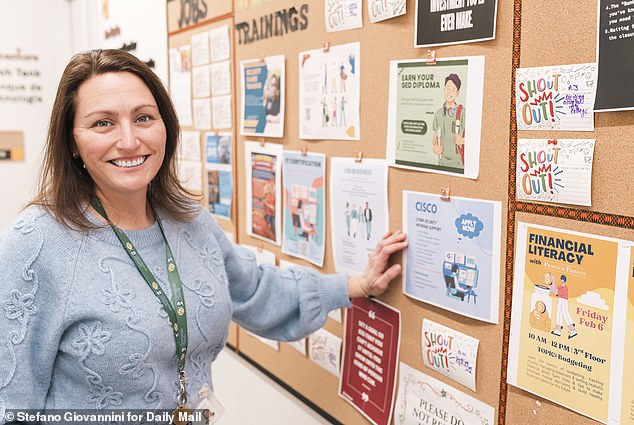
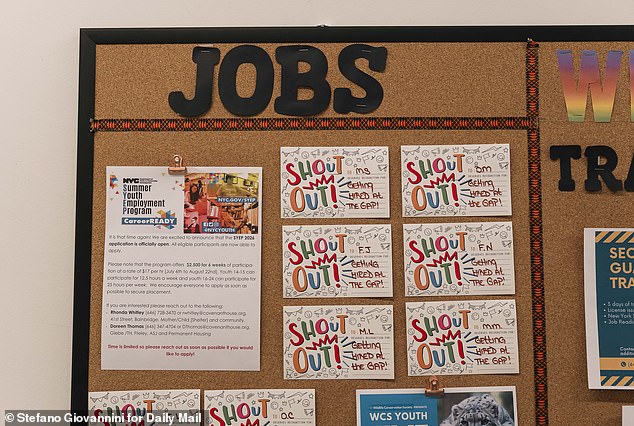
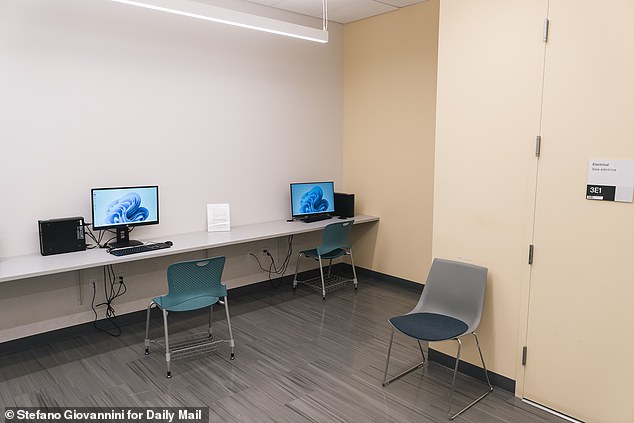
Spanning four levels, the facility includes a health and wellness center, the CovCafe, an area dedicated to art and interactive creative activities, a computer room, mental health resources, and classrooms like the Discovery Center that assist with career and educational growth.
Underground, the basement includes the CovDome gym, which has a complete basketball court funded by the NBA and NBPA, as well as Covenant’s clothing room, resembling a large closet that provides free attire, and a high-quality music studio.
Covenant House assisted 1,256 young individuals in the previous year.


 jasdooit
Leave a comment