
Opposition parties claim the governing alliance is withholding information from voters, worried about a rapid path to ecological harm.
New ZealandThe government has faced criticism for maintaining its discussions with theUnited Statesholding critical minerals under wraps, as opposition parties accuse of hidden practices while worries grow over environmental harm and outside interference.
Experts note that Wellington is hesitant to support any official agreement with Washington or to encourage open discussion on the matter, despite both governments confirming they are “looking into additional possibilities” regarding cooperation on critical minerals.
In a shared declaration issued following a gathering in Washington on February 2, both parties expressed their commitment to enhance cooperation in areas such as essential minerals, energy, cutting-edge technologies, and the digital sector “to promote economic stability and shared growth.”
That pledge came after the couple’s yearly “strategic dialogue,” which this year included U.S. Deputy Secretary of State Christopher Landau and New Zealand’s Secretary of Foreign Affairs and Trade Bede Corry.
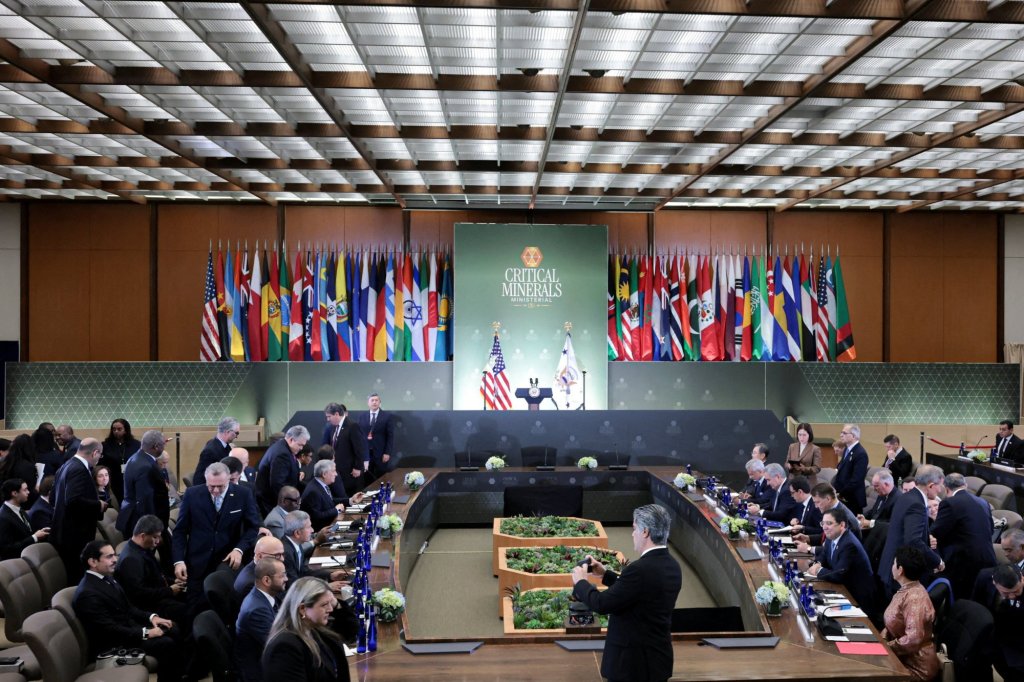
Discussions covered the establishment of a U.S.-New Zealand Critical Minerals Framework, with Landau expressing approval of Wellington’s involvement in the U.S.-organized initiative.Critical Minerals Ministerialheld on the following day of the same week.
The gathering, held at the U.S. State Department on February 4, was led by Secretary of State Marco Rubio, who delivered opening comments alongside Vice-President J.D. Vance. Representatives from over 50 nations, including India, Japan, Germany, Britain, Australia, and the Philippines, attended.
Each of us present in this room has developed a reliance on systems we are unable to manage. We all encounter the same fragility,” stated Vance, suggesting the establishment of “a specialized trade zone for essential minerals, safeguarded against outside interference by legally binding minimum price standards.
Crucial minerals play a vital role in various sectors, including defense production and cutting-edge technologies like artificial intelligence.
New Zealand’s Prime Minister Christopher Luxon aimed to minimize previous media speculation regarding potential supply deals with the United States, referring to them on the morning of February 2 as “speculative and hypothetical.”
“I believe the commentary, honestly, is somewhat excessive and perhaps premature,” Luxon said to broadcaster Radio New Zealand prior to that day’s joint statement.

Opposition parties have criticized the government for withholding information about discussions with Washington, as the Labour Party cautioned about “environmental and climate dangers without public oversight.”
“Many New Zealanders would be disappointed that discussions regarding the mining and export of essential minerals are happening without openness or responsibility,” said Megan Woods, Labour’s spokesperson for energy and resources, to journalists.
Chloe Swarbrick from the Green Party was more direct, questioning: “Do we truly wish to utilize our essential minerals to essentially support the United States’ national security goals?”
‘Spineless’ and ‘naive’
Experts have cautioned that Wellington may be placing international alliances ahead of local environmental safeguards.
Jane Kelsey, a retired law professor from the University of Auckland, stated that the government’s secrecy indicated its reluctance to anger Washington or confront a heated political discussion within the country.
“That’s why it has been keeping this negotiation hidden, although the US would have also preferred that,” she stated, noting that the New Zealand government had been “weak” in criticizing the administration of the US President.Donald Trump.
“The government appears to believe that staying low will shield it from tariffs or other adverse consequences,” Kelsey stated.
That is simplistic, as the Trump administration’s strategy toward different nations changes almost daily.
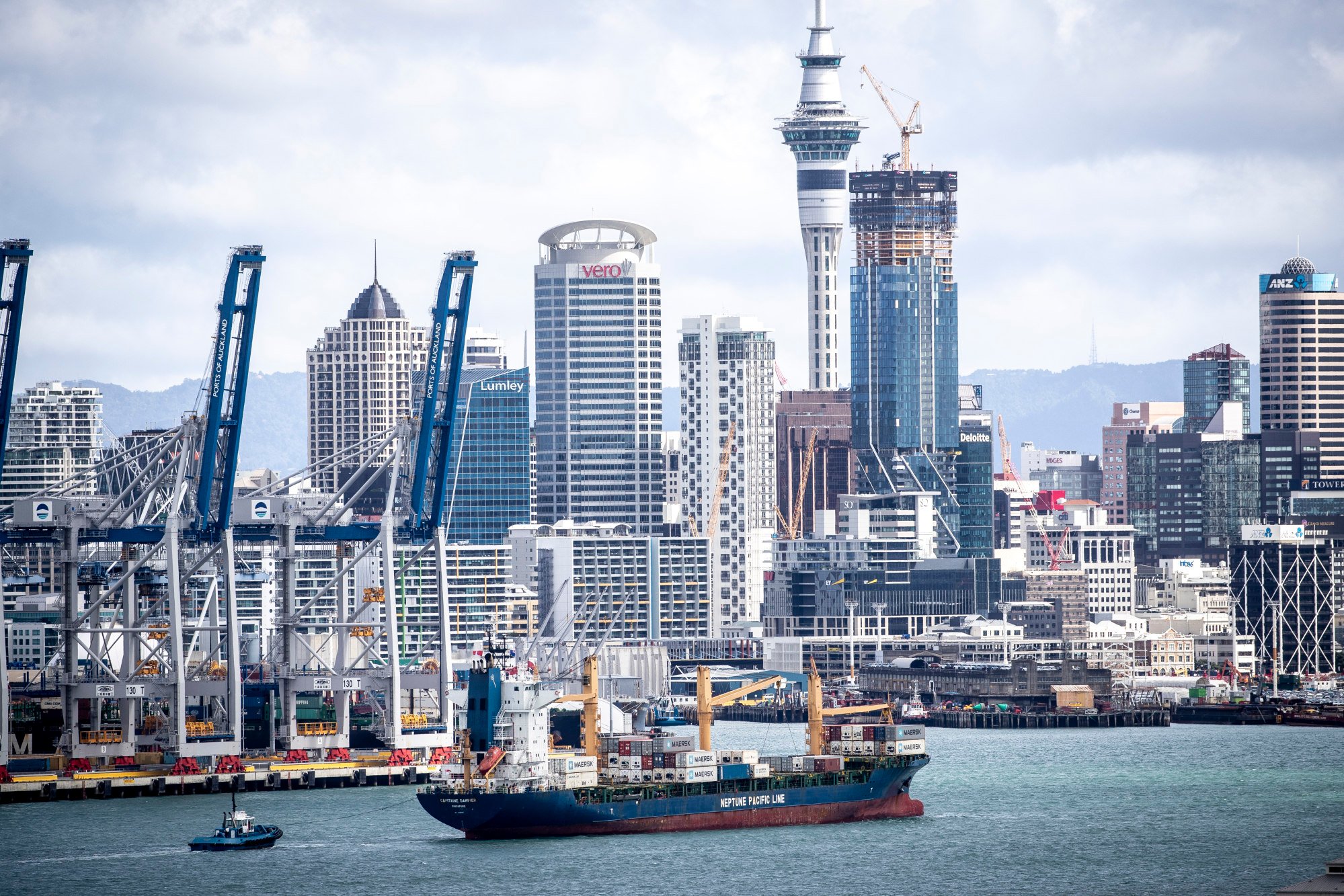
The United States currently applies a 15 percent standard tariff on most imports from New Zealand, although recent exceptions have removed this charge for important agricultural goods.
The government of New Zealand showed no worry regarding environmental harm, Kelsey noted, highlighting recent “fast track” laws that deal with projects like mining initiatives which had been turned down by courts in the past due to environmental concerns.
The governing coalition led by Luxon has also advanced at least two contentious deep-sea mining initiatives, strengthening the view that the present government in Wellington prioritizes immediate economic and resource exploitation rather than more rigorous environmental protection efforts.
Robert Patman, a professor of international relations at the University of Otago, stated that any mineral agreement with Washington was improbable in the short term due to political and diplomatic limitations.
“It’s a voting year in New Zealand, and Luxon’s remarks regarding talks about a mineral agreement have been expressed carefully using tentative language,” he stated.
Trump’s weakening domestic standing will have no effect on speeding up these conversations.
New Zealand will conduct a general election in November. In the United States, recent surveys indicate that 58 percent of adults disapprove of Trump’s job performance, particularly his administration’s strict immigration enforcement operations, while consumer confidence has declined due to concerns about potential price hikes resulting from his tariff strategies.
Patman mentioned that Wellington was probably aware of the conditions of its enhanced free-trade deal with China, its main trading partner, which was finalized in 2021 and came into effect the subsequent year.
The agreement eliminated tariffs on 98 percent of New Zealand’s exports to China and established new rules related to online trade, competition laws, and environmental collaboration.
According to Patman, New Zealand’s government will be eager to ensure that any agreement with Washington does not jeopardize the trade relationship it has established with Beijing.
The conversation about minerals could still be a component of a broader approach to protect New Zealand’s interests in a developing, high-risk industry, he noted.
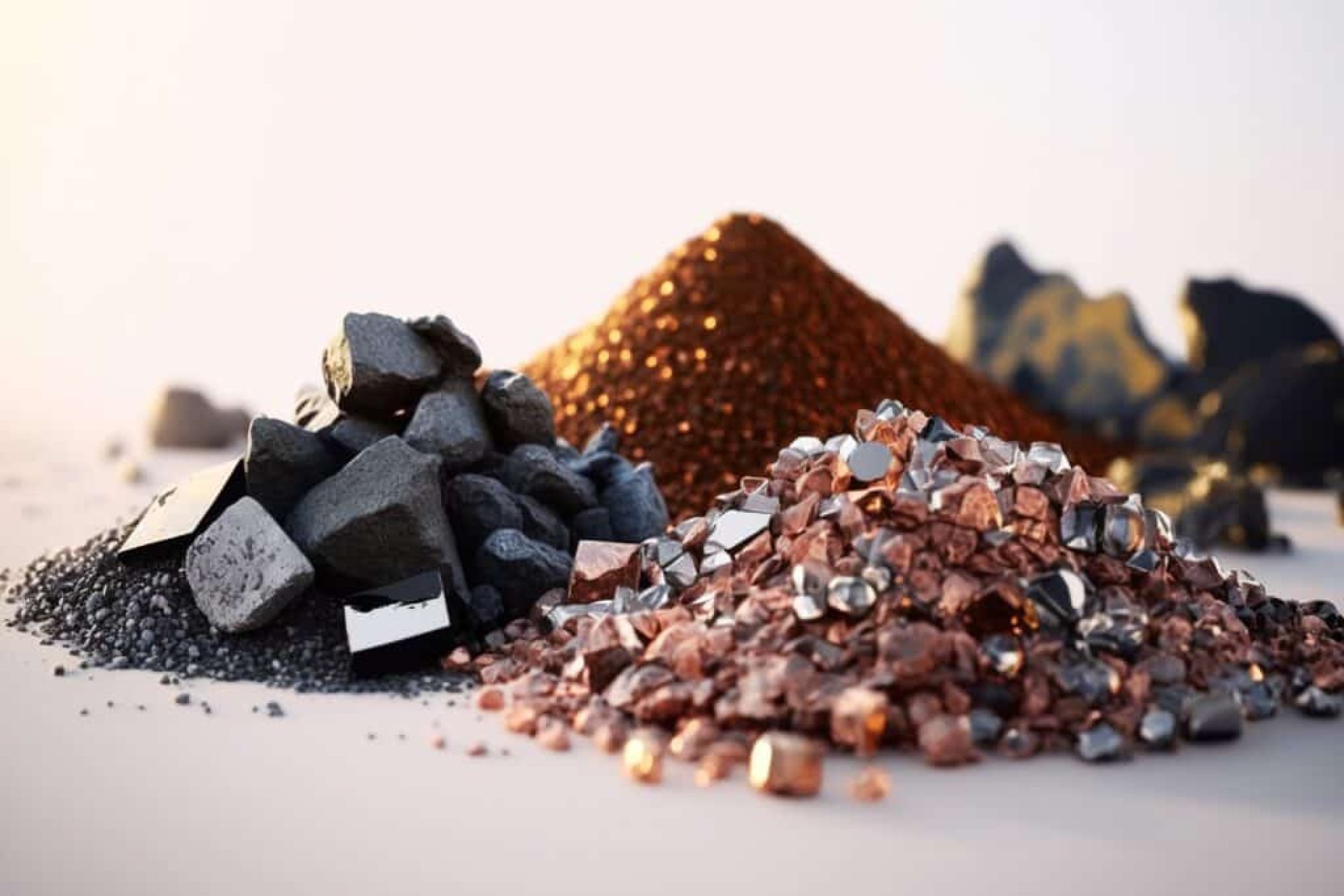
New Zealand is considered abundant in resources, with official evaluations highlighting 37 essential minerals — such as rare earth elements, lithium, and cobalt — which are crucial for the advancement of clean energy and high-tech production.
More Articles from SCMP
The trend of social media becoming more Chinese can only have positive effects.
Not Bali: the Indonesian island discovering how to accept visitors while distributing the advantages
This piece was first published in the South China Morning Post (www.scmp.com), a top news outlet covering China and Asia.
Copyright (c) 2026. South China Morning Post Publishers Ltd. All rights reserved.



 jasdooit
Leave a comment