
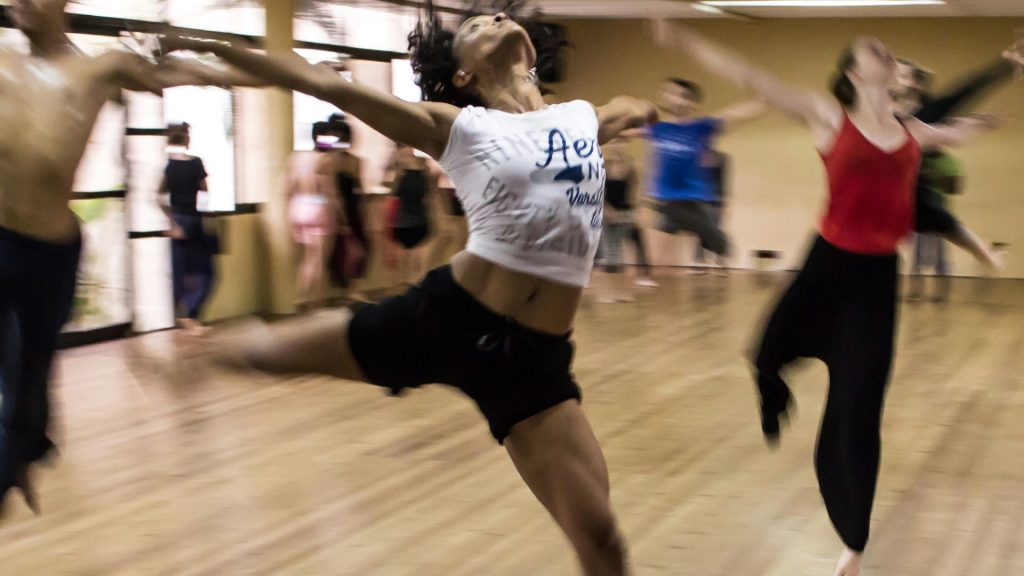
What if your dance movements had an impact beyond just your legs? A study released in 2025 suggests that consistent dancing is linked to a brain showing traits similar to those of younger individuals, potentially appearing up to seven years younger in specific indicators. This is positive news, as long as we don’t use it as another pressure to remain “young no matter what.”
A research that captures the interest of the scientific community
Research published in Nature Communicationsnoted that individuals who engage in regular dancing display brain features that show fewer signs of aging compared to those who are less active. Keep in mind that your brain cannot reverse time. Nevertheless, some markers associated with memory and learning seem to remain more intact.
Scientists note a variation of as much as seven years in specific brain indicators. This implies that the structure or operation of certain brain regions is more similar to that of younger people. A positive finding, yet it is among a larger collection of lifestyle-related elements.
What makes dance so effective in activating the brain?
All forms of physical exercise contribute to general well-being, yet dance possesses a distinct feature: it involves both the body and the mind at once. Dancing is more than just performing repetitive motions. It requires remembering patterns, predicting the beat, synchronizing actions in space, and occasionally working with another person. Memory, focus, balance, sensory awareness, and cognitive control are all activated simultaneously.
This form of repeated stimulation encourages brain plasticity, which refers to the brain’s capacity to develop and reinforce neural connections over a lifetime.According to current neuroscience, this adaptability is crucial for learning and maintaining cognitive abilities. By incorporating new movements, new dance routines, and new coordination, dance keeps this process active.
Far more than merely physical activity
Dancing goes beyond merely burning calories. It also involves emotional expression and builds social bonds. Understanding music, sensing a beat, and moving together: all these activities activate wide-ranging neural networks. Frequent social interaction is linked to improved psychological well-being. Music, on the other hand, activates multiple regions of the brain connected to memory and feelings. When combined with physical movement, they boost mental engagement.
The World Health Organization also highlights that consistent physical exercise can lower the risk of cognitive deterioration. Dancing aligns well with these suggestions, offering an additional advantage of being fun and imaginative, which promotes consistency.
Is it necessary to dance vigorously in order to have fun?
No. The advantages observed appear mainly connected to consistency. A few sessions each week may suffice, whether it’s ballroom dancing, salsa, modern dance, or even home-based classes. The key is to remain consistent. An activity you like is more likely to be maintained over time. It is this mild yet regular repetition that aids the processes related to brain stimulation.
Not a competition for young people
It’s important to view these findings in context. While dance may be linked to better brain indicators, this doesn’t necessarily mean you must enroll in a class to “remain youthful.” Aging is a normal process. Your body undergoes changes, your skin develops, and your pace of life shifts as well. And that’s completely fine.
Relocating should never turn into an extra burden, nor a new reason to fight against time. You have the option to move for enjoyment, for the delight of motion, to experience your body as expressive. You may also opt for a different activity. Or just move in your own manner, whenever you can and whenever you feel like it.
In the end, dance powerfully demonstrates the relationship between movement and cognitive well-being. It brings together physical activity, mental engagement, feelings, and interpersonal interaction. Yet, the key takeaway is not about seeking a “younger” brain. It’s about nurturing yourself with kindness. Your value isn’t determined by your age or how well you perform. Getting older isn’t something to fix; it’s a transformation to welcome fully—whether or not there’s a routine involved.




 jasdooit
Leave a comment