
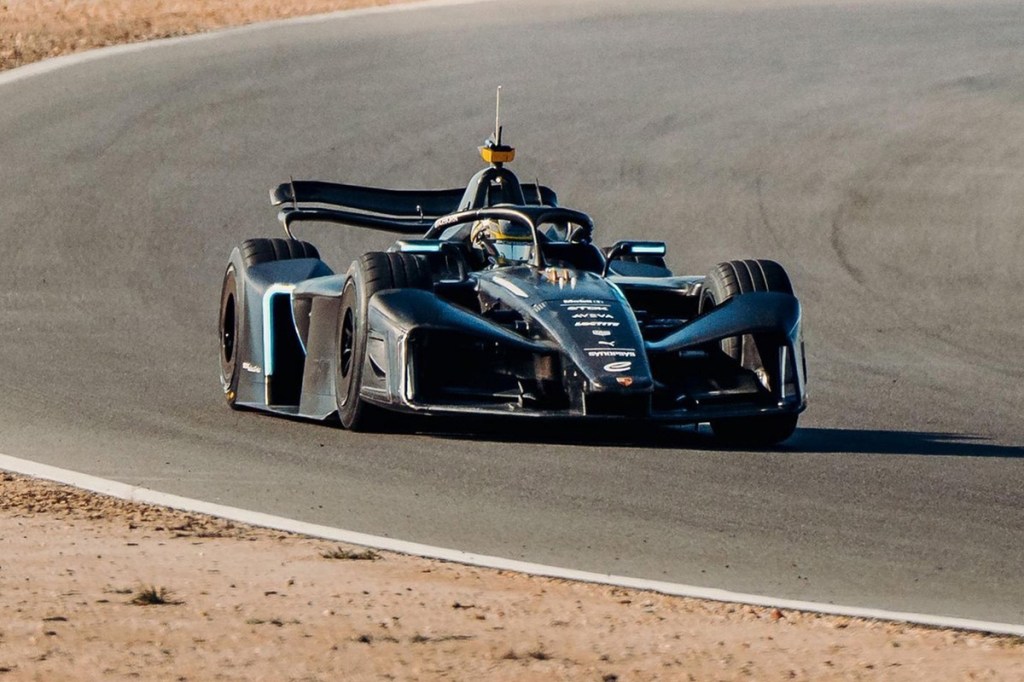
The FIA and Formula E will permit manufacturers to implement hardware improvements in their Gen4 vehicles via a novel token-driven system, supplanting the existing mid-cycle Evo update approach.
The procedure is comparable in concept to the system implemented in the Hypercar category of the FIA World Endurance Championship, in which manufacturers receive five joker upgrades throughout a five-year certification period. Nevertheless, in contrast to the WEC approach, where enhancements can be distributed across the vehicle, the FIA will allocate a set number of tokens to particular parts.
The transformation marks a major change in the championship’s approach to growth. With Gen3 rules, automakers had to approve their full powertrain system at the beginning of the cycle, without allowing any hardware changes until the mid-cycle Evo update launched for the 2024-25 season. Nevertheless, software improvements were still allowed between seasons.
The new system, according to Vincent Gaillardot, the FIA’s technical manager for Formula E, aims to provide more adaptability and help underperforming manufacturers close the gap with their rivals.
“Earlier, the homologation cycle lasted two years. When the manufacturers approved the car, they couldn’t make any updates for a period of two years,” Gaillardot said to Motorsport.com.
This implies that if you make a mistake, you must deal with its consequences for two years. What the manufacturers have requested, and something we at the FIA are familiar with from other series, is greater flexibility to manage when they wish to introduce their improvements.

Now, they will undergo their first homologation, and they will be given one token or one joker, allowing them to update the MGU, inverter, and gearbox as needed, once every four years.
For what are referred to as the minimum requirements – one relates to mechanical aspects, such as the body and suspension, another to the electrical system, and the third to the hydraulic system – they will be allowed two exceptions. This means they can implement two improvements [in these areas] over the four-year period.
They decide when they wish [to implement these updates], and each year, at the beginning of the season, we will conduct an interim approval process with jokers.
Clearly, we will tally all these individuals at the conclusion, providing them with flexibility, and the same level of flexibility is linked to the cost cap. They will have the ability to utilize their funds and budget as they see fit, in connection with the token development.
New regulation helps maintain cost control
The Mahindra team principal, Frederic Bertrand, expressed approval of the move to token-based development in Gen4, stating that it will assist in maintaining cost efficiency.
He stated that discontinuing the Evo model implies that manufacturers will no longer need to create an entirely new vehicle halfway through the regulation cycle. Rather, teams can concentrate their efforts on tackling particular shortcomings compared to their competitors.
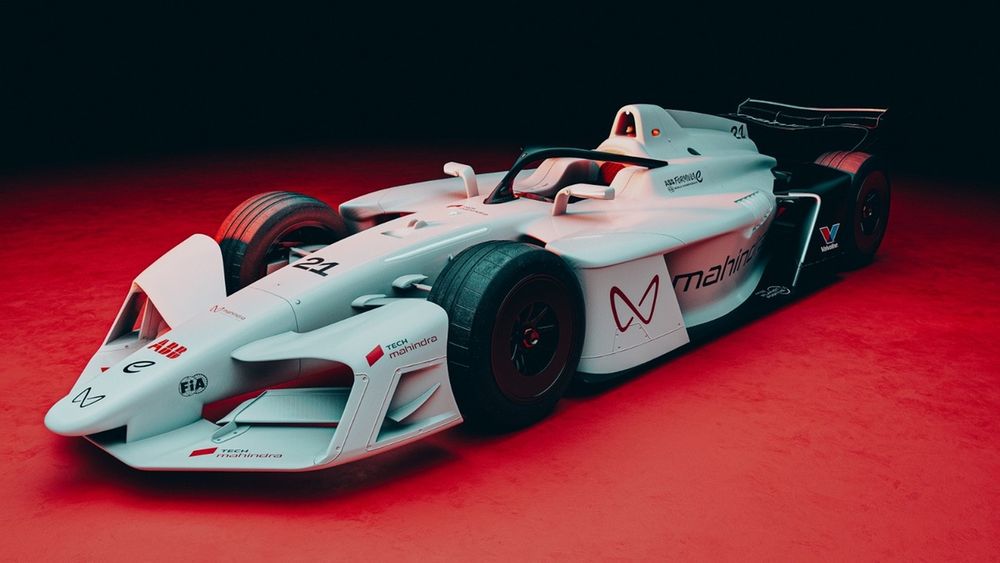
Until now, we had to create a Gen3 and a Gen3 Evo vehicle, which were essentially two separate developments,” Bertrand said to Motorsport.com. “Now you have a GEN4 that you can focus on throughout the entire homologation period with some flexibility, allowing you to enhance performance in weaker areas. You don’t need to develop an entirely new car.
Suppose your transmission is slightly less robust, or you can discover a more favorable development, then you possess a certain number of wild cards per component.
That was very helpful in our strategy. We believed we could proceed incrementally and build our own car without needing to request a full budget again after two years. So, that was a significant move for us in the validation process [when signing up for Gen4].
Adhering to these rules is very beneficial as it eases the pressure on the budget somewhat. You don’t have to worry about having two cars within a four-year span; you can manage with one and a half cars, roughly.
Read Also:



 jasdooit
Leave a comment