
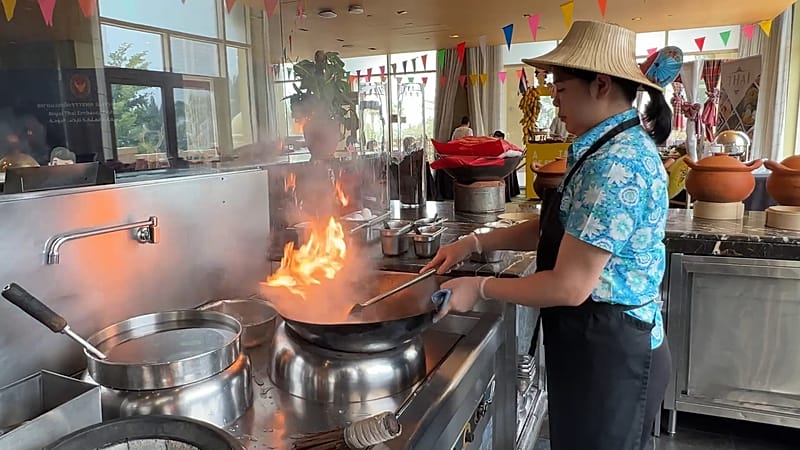
Doha’s diverse culinary scene incorporates global cuisines as a regular part of everyday life. Thai cuisine is among them, highlighting the bond between Thailand and Qatar.
Throughout the city, Thai eateries are a common part of daily meals, suitable for fast lunches, family dinners, or group events. Their existence reflects the continuous flow of individuals between the two nations via tourism, employment, and cultural interactions.
In Qatar, food continues to be one of the most common methods through which cultures are exchanged.
Mohannad Ibrahim Bitar, an influencer and businessperson based in Qatar, believes that food inherently unites individuals.
Simply the act of preparing food brings people together,” he states. “When you meet someone, you might say, let’s have a coffee. If you want to catch up with someone, let’s go for dinner or lunch. It’s never, let’s just go and talk.
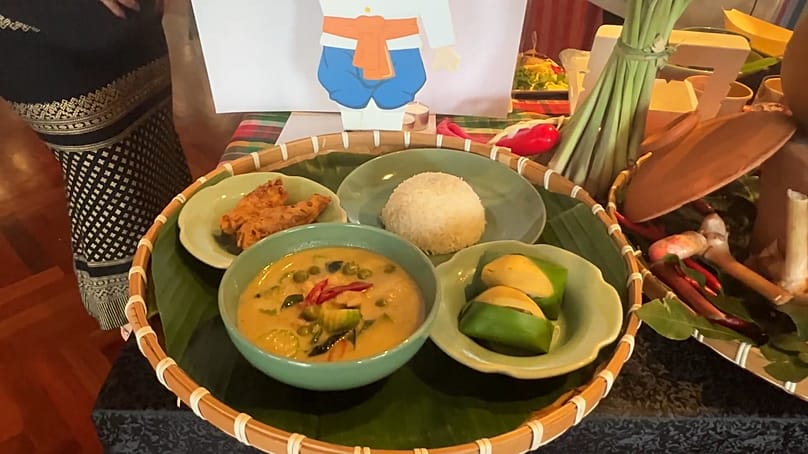
He mentions that sharing meals is a common practice across all cultures.
Meals, by nature, are a social activity. It’s something that everyone engages in at least twice daily. So no matter where you travel in the world, it’s always about food, food, food.
Thai food as culture
Thai food also holds cultural significance that goes beyond its flavor.
H.E. Mr. Sira Swangsilpa, the current Thai envoy to Qatar, states that creating traditional Thai cuisine embodies warmth and affection.
Contemporary Thai cuisine is a reflection of Thai warmth,” he states. “When you prepare a single Thai dish, it requires your time, your dedication, and all that you can offer from within.
He states that this initiative is one way Thai culture is promoted internationally.
That reflects our dedication and warmth through the cuisine. Many visitors come to Thailand, and they appreciate our ‘Thainess’ along with Thai hospitality, as Thai food is one of the ways we extend this hospitality to international guests.
Hospitality across cultures
In Qatar, the tradition of hospitality has also been demonstrated through food.
Jamal AlShebani, a Qatari social media personality and co-founder of Bisht Magazine, mentions that offering food to visitors is strongly tied to traditional customs.
“Food has always been, even in our culture in Qatar, when we have a guest, we typically offer him something to eat, whether it’s rice, coffee, or dates,” he says.
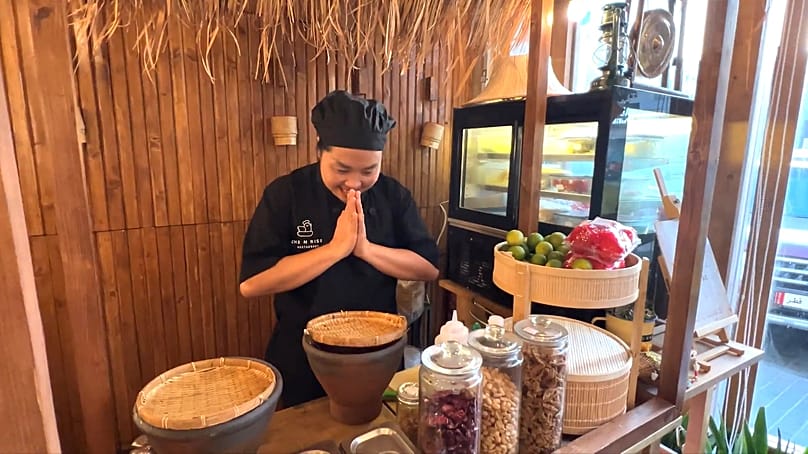
He mentions that food can also convey culture directly. “Food is a highly distinctive means through which we can promote our culture, and exchange our culture.”
As Thai food becomes a regular part of meals in Doha, it shows that cultural interaction frequently occurs in everyday situations rather than in formal environments.
Dining experiences, eateries, and communal seating keep influencing how individuals from varied cultures encounter each other’s customs.
In a metropolis shaped by international ties, Thai cuisine has established a fitting presence, not just on restaurant menus, but in the daily interactions that bridge different cultures.




 jasdooit
Leave a comment