

We’ve all been suddenly woken up by the bartender, missed our final train, and found that there are no available hotel rooms within a 50-mile area. Right?
I attribute it to the “final drink” of the night that nobody truly requires. No positive outcomes occur afterward.drink.It’s the one that pushes us in the wrong direction after the tipsy point, leaving us with existential anxiety the next day. Provided we managed to get home by then.
It’s understandable that fewer of us desire that in our lives. We are occupied, exhausted, and essentially broke.
Therefore, we are gradually witnessing the sun-drenched beginning of the ‘daycap’, according to Bacardi’s recent 2026TrendsReport – it’s casual drinking, but in a way that’s different from what we’ve typically experienced.
The well-known alcohol brand refers to this growing phenomenon as ‘cocktailsappreciated during the late afternoon to wrap up the workday,’ and it seems to indicate a move towards ‘smaller festivities’ and drinking times that align with our daily schedule.
Consider Thursday afternoon happy hours, relaxed afternoon gatherings anddrinks“that complements, rather than disrupts, the remainder of the day,” Bacardi continues.

What is behind the rise in daytime alcohol consumption?
Alcohol consumption habits have been changing throughout the UK in recent years, and individuals are no longer staying out as long as they once did.
This aligns with the increase in ‘sessionable’ drinks – ranging from low-alcohol wine to spritzes, including lighter cocktails such as white port and tonic.
Elliot Ball has been witnessing this unfold firsthand at his bar, The Cocktail Trading Co located on Brick Lane, East.London.
He tells We’re definitely more occupied a bit earlier, and less so a bit later.
We won’t be getting that final hour, which was previously complete chaos. It’s actually a bit of a drawback for business.
Although it affects business, Elliot states he supports the change, acknowledging: ‘I personally enjoy the concept of going out earlier, ceasing drinking earlier, and going to bed a bit earlier. I truly believe that’s the right approach.’
It’s very European, and they typically have a more positive attitude towards alcohol and drinking compared to the British.
Hello, food enthusiasts! Add us as a Preferred Source
At Food, we are dedicated to delivering the newest food-related updates, mouth-watering recipes, restaurant critiques, and culinary advice. As a regular reader and member of our lively community, we aim to ensure you never overlook our articles while looking for engaging stories.
Click here and tick .co.ukto make sure you encounter our stories first in Google Search.

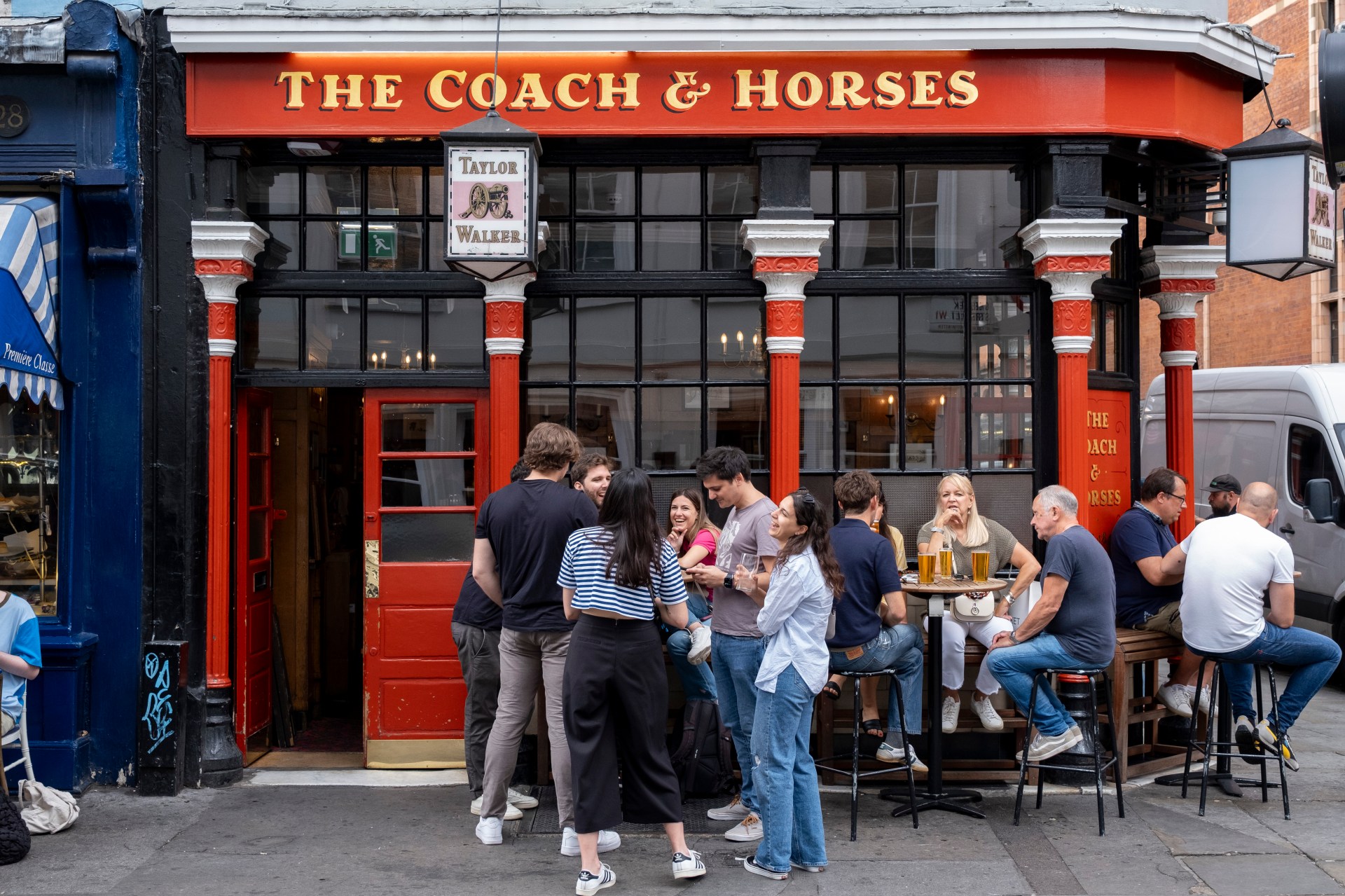
Elliot points out that drinking during the day was once linked to the upper class, as there’s a ‘certain ski resort connection with that kind of behavior’.
However, although you may have once observed individuals from Chelsea or Kensington exiting upscale brasseries at 4 p.m. having “drunk up on the rosé,” this is no longer limited to the “Sloane ranger” group.
Although it may not have spread everywhere yet, he states that he has observed it “definitely gaining more popularity among other groups as well.”
How can you transition from the nightcap to the daycap?
If you’re considering moving to the daycap, it’s helpful to grasp why we have historically been drawn to the ‘one for the road’ culture, which has kept us staying out late consuming alcohol.
“Most people have that next drink because they’re intoxicated by dopamine, and they’re among loved ones enjoying a great time. So, what do you do in this situation? You order another drink,” explains Elliot.
To escape the pattern, you must identify an action that disrupts the ongoing scenario, prompting you to stop engaging in the behavior. Here, that behavior is drinking.
A special event or enjoyable activity taking place at the same time could be a fantastic concept, such as darts or a pub quiz.
“Everything regarding leaving early and then deliberately returning earlier depends on having a social circle that is willing to do so and engaging in events or activities that align with that,” advises Elliot.
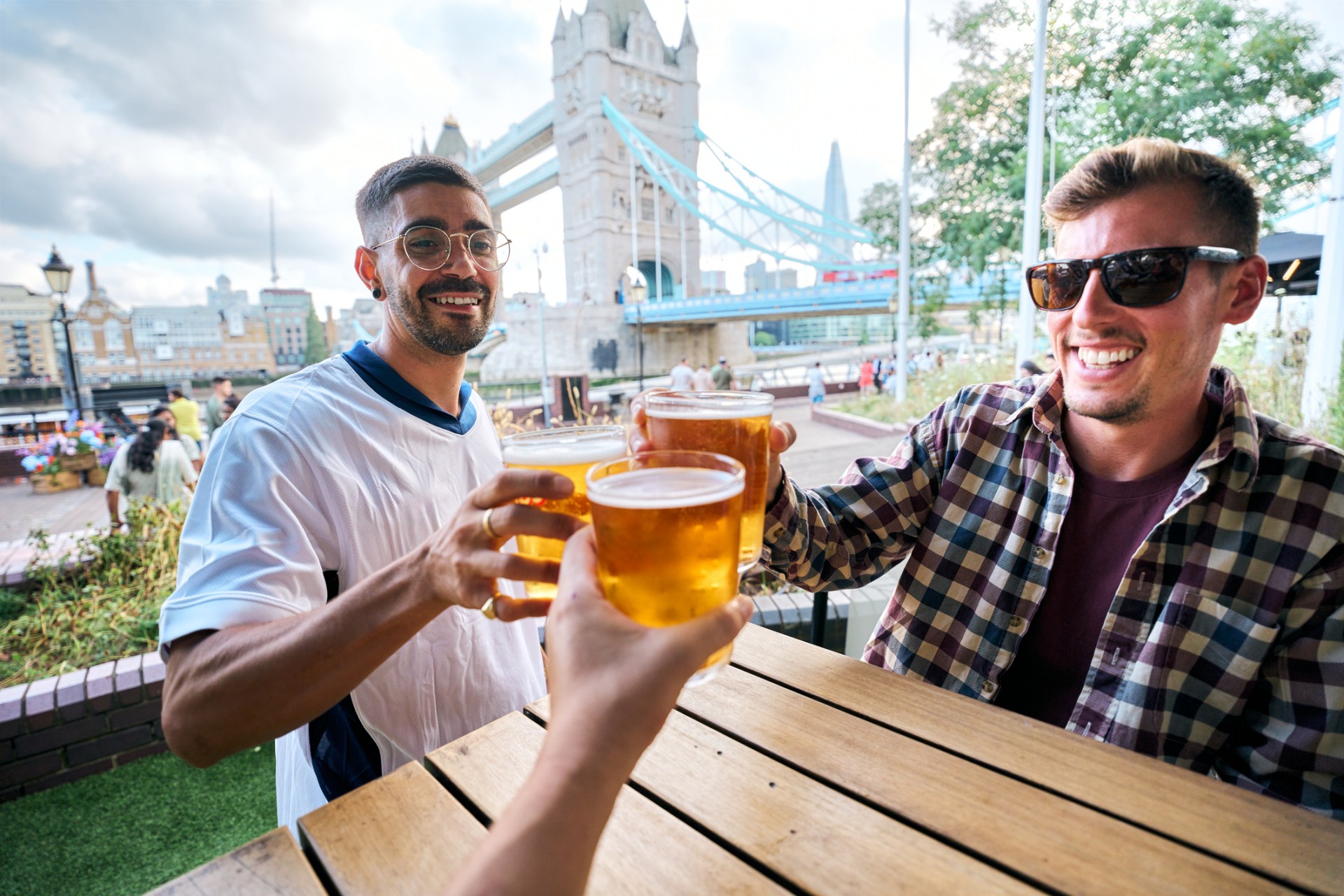
Another activity to think about is eating. The early bird of today isn’t just catching the worm; they’re securing the finest table in the establishment. This is because there is a clear link between the daycap and individuals who book restaurants earlier.
An online restaurant reservation platform, OpenTable, has observed a significant increase in 6pm bookings. The number has gone up by 11% in London, with a 6% overall rise in early evening reservations compared to the same period last year.
This is verified by the hospitality technology service, Zonal, which reported that the new national average dinner time is 6:12pm. In addition, more than 50% of all UK reservations occur between midday and 6pm. These figures come from a survey involving 5,000 British adults, revealing that only 2% of bookings in the UK are for 9pm or later.
This has been linked to younger customers placing importance onhealth, wellness, and improved sleep. Additionally, flexible and hybrid work arrangements have also been beneficial, enabling individuals to begin and conclude their workday earlier.
Do you support the daytime limit or the nighttime limit?
-
Team DaycapCheck
-
Team NightcapCheck
Smartly, London eateries are eager to take advantage of this demographic.
Restaurants such as Spring at Somerset House, The Cinnamon Club, Portland, and Popham’s have introduced special ‘early bird’ menus to attract and engage the late afternoon dining crowd.
But you might contend that daycap is actually more akin to ‘brunching’ than to going out for the evening, and the recent resurgence ofclassic breakfast cocktails such as the Bloody Mary, appears to back this up.
TheThe Piña Colada has also experienced a resurgence,and that’s certainly a drink that tastes even better when sipped under the sun (although there’s always a chance you could find yourself caught in a sudden downpour).
Indeed, the daycap is genuine, and it’s not due to Britain consuming more alcohol, but rather because our drinking habits have changed.
Do you have a tale to tell?
Contact us via emailLifestyleTeam@.co.uk.
Comment now Comments Add as a Preferred Website on Google Add as preferred source




 jasdooit
Leave a comment