
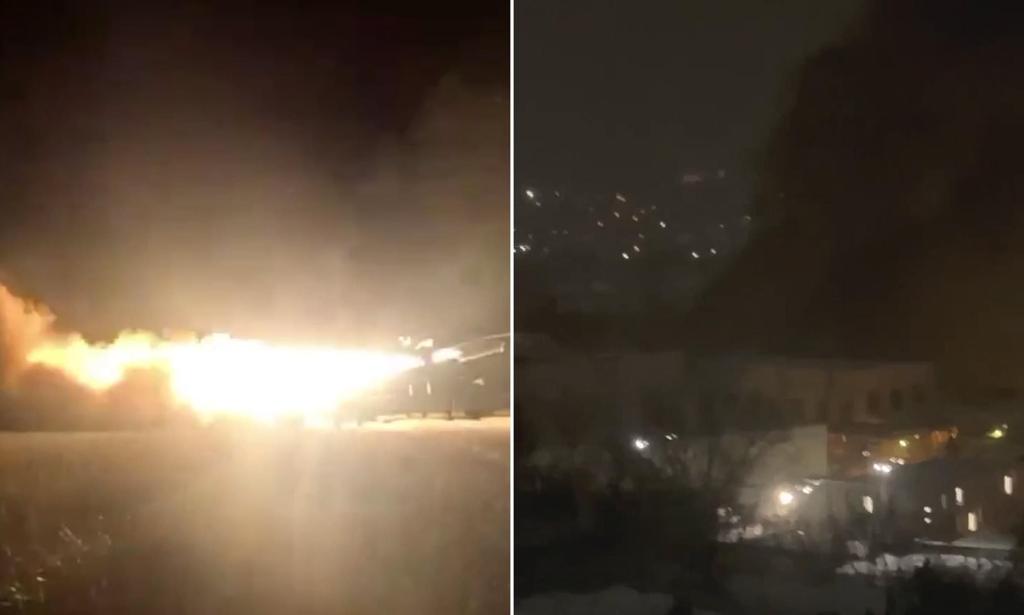
Ukrainian troops carried out a nighttime strike against a significant Russian missile facility.
The governor of the distant southern Russian region of Udmurtia confirmed the attack on Saturday, stating that the strike caused substantial damage to a location within his area.
“A location in Udmurtia has been targeted by drones. There has been destruction and [injury] as a result,” said Alexander Brechalov in a video shared on Telegram.
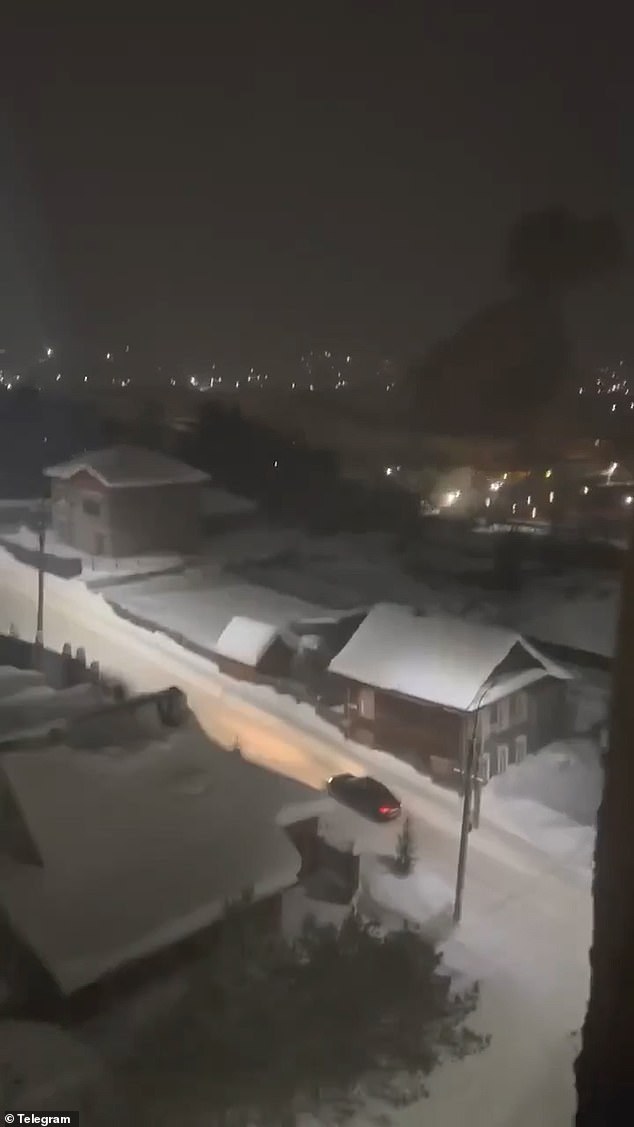
Unverified Ukrainian military websites reported that locally produced long-range Flamingo drones targeted a facility producing missiles, such as the short-range Iskander missile and long-range Topol-M missiles, in Vinotkinsk, approximately 900 miles away fromUkraine.
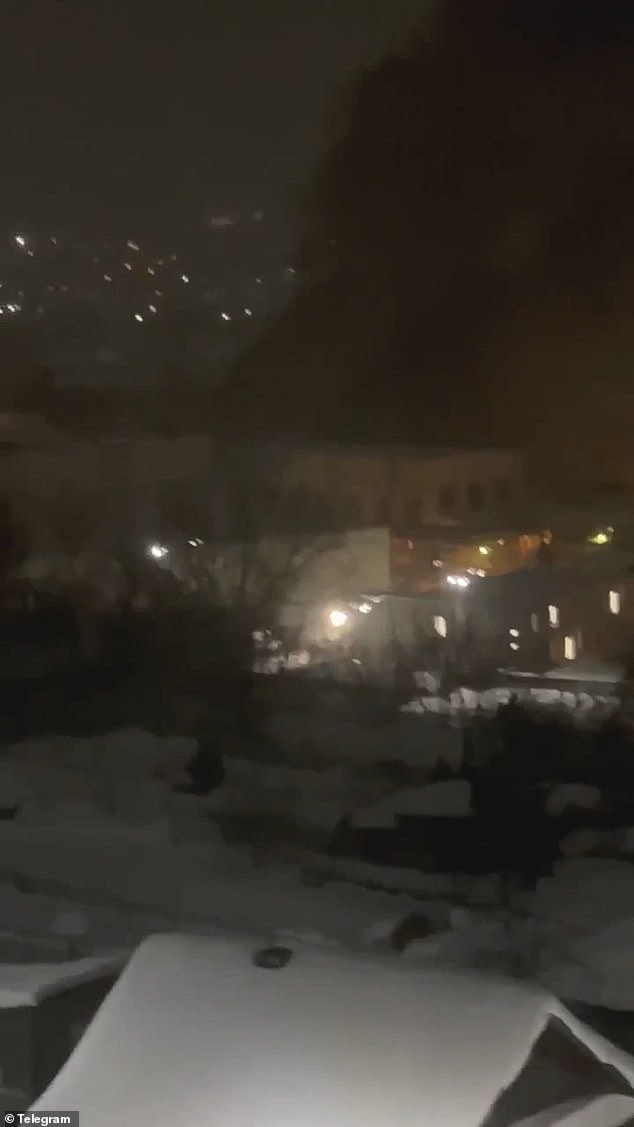
Video footage captures the facility following the Flamingo incident, during which a significant plume of smoke is visible rising into the air.
An unofficial Russian Telegram channel named SHOT, frequently citing sources within security agencies, stated that residents of Votkinsk claimed to have heard at least three explosions along with the sound of drones.
Russian military blogs also mentioned an attack that caused a fire at a gas processing facility in the southern Russian city of Samara.
Flamingo missiles can reach a distance of 1,865 miles and carry a 2,535-pound explosive payload, often compared to pilotless aircraft, and were used in conjunction with Liutyi military drones.
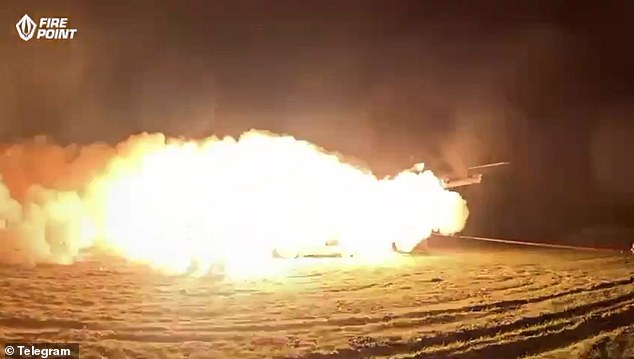
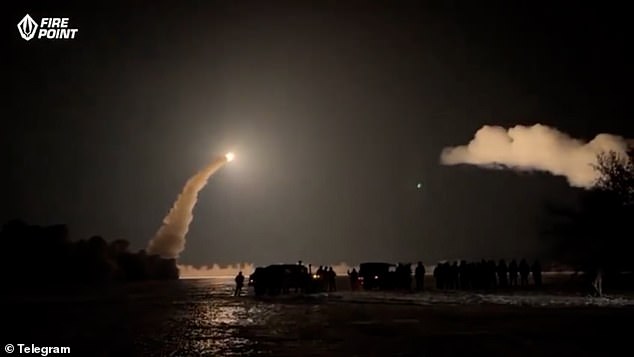
The Flamingo serves as the central element of Ukraine’s latest missile technology, designed to combat Putin’s ongoing conflict.
The missiles can reach deep into European Russia and also western Siberia.
The capital of Russia, Moscow, is easily accessible.
The manufacture of the missile is currently taking place in the Carpathian Mountains, according to reports, with its initial combat application occurring in the summer, although information regarding its deployment remains limited.
The Flamingo is not restricted by Western objections regarding its use to attack locations within Russia, unlike missiles provided by the United States, Britain, and France.
It is said to be immune to Russian electronic warfare interference.
It has been characterized in Russia as similar to the Soviet jet UAV Tu-143 Reys and the German cruise missile V-1.
Another significant setback for the Kremlin has been Ukraine’s substantial territorial advances along the front line.
“I won’t delve too deeply into specifics, but today I would like to commend our army above all – every member of the armed forces – as we have liberated 300 square kilometers as of now,” said Ukrainian President Volodymyr Zelensky.
Nevertheless, the Ukrainian Minister of Energy stated on Friday that he anticipates additional attacks from Russian forces while repair teams continue fixing the damage caused to power and heating systems from earlier strikes.
Denys Shmyhal, posting on Telegram following a daily session focused on energy matters, mentioned that teams were advancing as weather conditions had worsened, with nighttime temperatures now slightly below the freezing point.
“Meanwhile, we have information regarding the enemy planning new attacks on the energy sector,” Shmyhal stated, without offering additional proof.
Consequently, the responsibility for all services involves not just rapid recovery but also full preparedness for future obstacles.
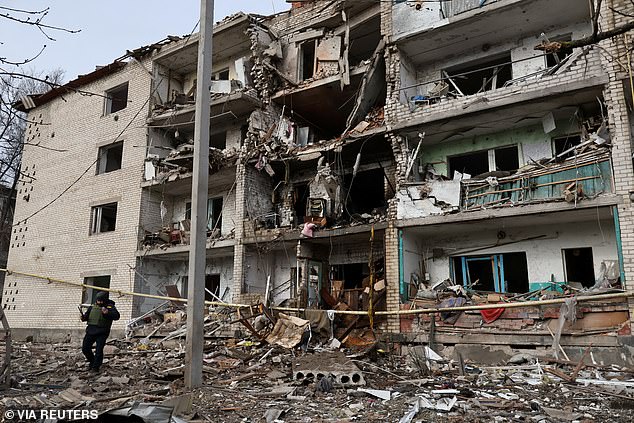
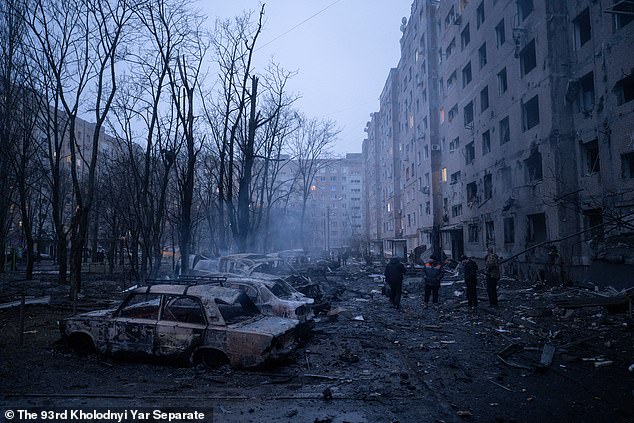
Russian missile and aerial drone assaults have resulted in significant harm to Ukraine’s energy infrastructure, as a series of night-time attacks have left hundreds of apartment complexes without heat or electricity.
Shmyhal mentioned that 200 repair teams were working continuously in Kyiv, which has experienced the majority of a series of attacks over the last few weeks.
Work on repairs was also underway in the Black Sea port of Odesa, where energy infrastructure was damaged this week and in areas near the front lines.




 jasdooit
Leave a comment