
Appeals court also confirms the not guilty verdict of lawyer Lawrence Lau in the subversion case
The Court of Appeal in Hong Kong has turned down the appeals from 12 pro-democracy activists who aimed to reverse their convictions or receive lighter sentences, after the city’s most significant national security trial so far.
On Monday, the appellate court also confirmed the not guilty verdict of one of the 47 individuals charged in the widely publicized case involving conspiracy to undermine state authority.
A significant police presence was observed outside the West Kowloon Court on Monday morning, with approximately 100 officers positioned at the entrance and establishing a roadblock on the road next to the building.
Are you curious about the most significant issues and developments from across the globe? Find the solutions withSCMP Knowledge, our latest platform offering carefully selected content including explainers, FAQs, analyses, and infographics, presented by our acclaimed team.
Approximately 50 individuals were waiting outside the structure, with barriers established along the public and press lines, and these areas were closely monitored.
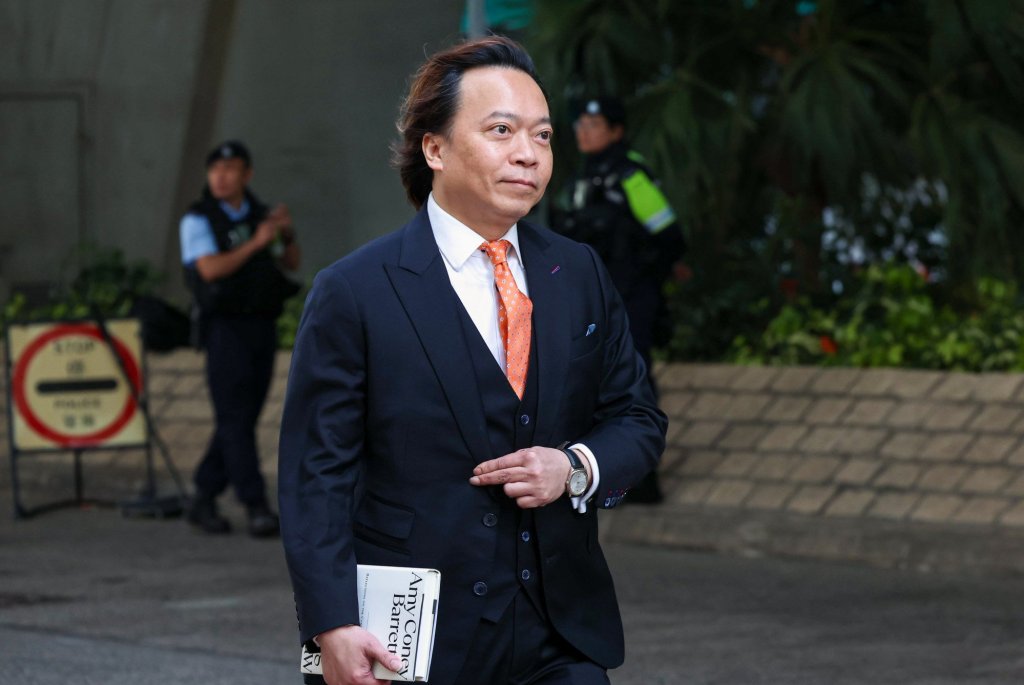
Barrister Lawrence Lau Wai-chung, whose acquittal has been challenged by the government, reached the court approximately at 8:30 am dressed in a black suit and an orange tie. He was observed carrying a copy ofListening to the Law: Thoughts on the Court and Constitutionby U.S. Supreme Court associate justice Amy Coney Barrett.
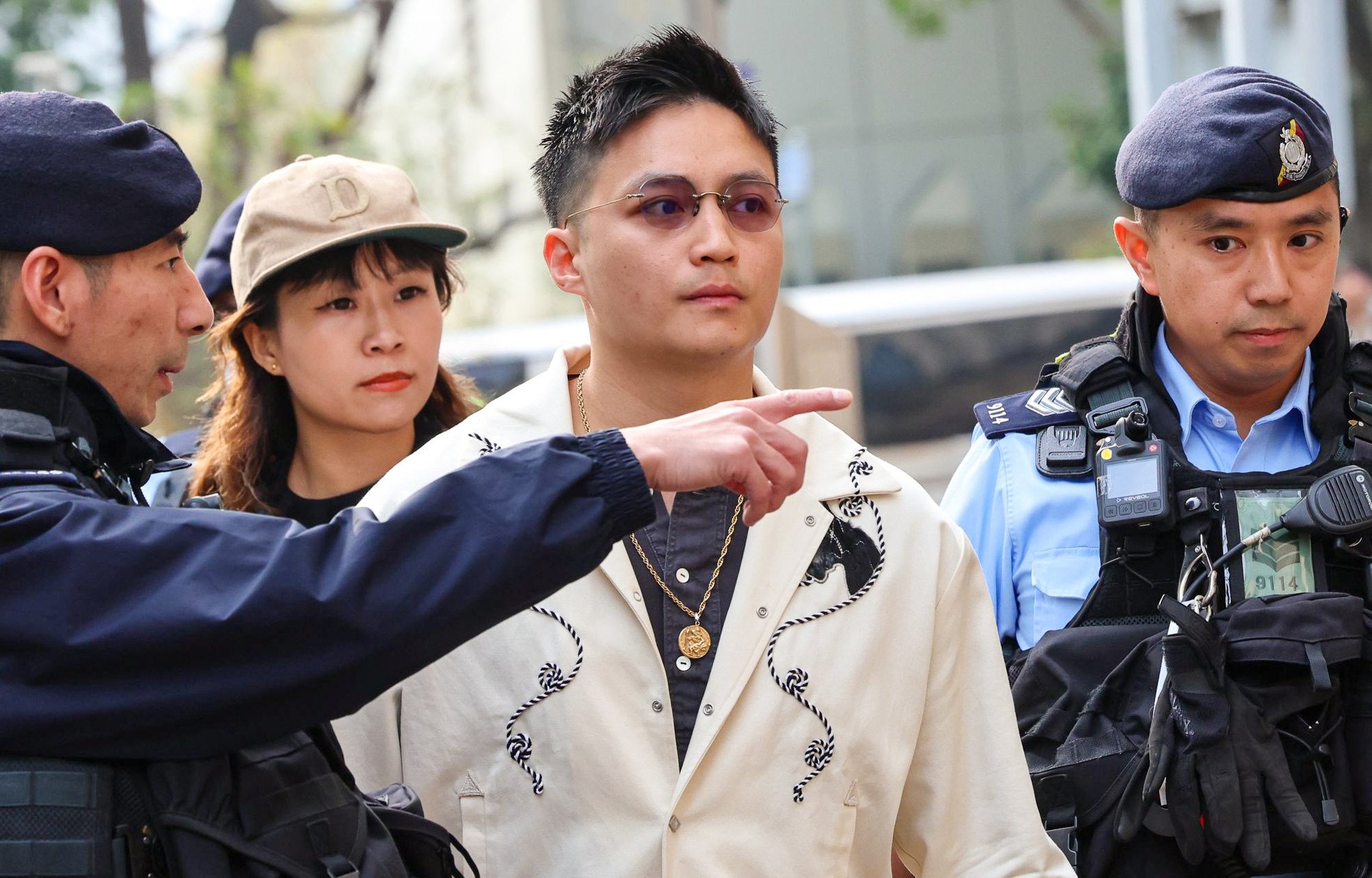
Another activist who was cleared in the trial, former district councilor Lee Yue-shun, did not encounter the prosecution’s appeal but still arrived at the court accompanied by six officers.
Approximately 10 officials from Western consulates general were also in attendance to witness the announcement of the ruling.
Three judges from the Court of First Instance declared 14 activists guilty in May 2024, following an extensive trial that lasted 118 days, taking place from February to December 2023 at the West Kowloon Court.
The individuals found guilty, along with 31 others who admitted their guilt prior to the trial, received a minimum sentence of four years and two months. Former law professor Benny Tai Yiu-ting was given the longest prison term, totaling 10 years, for orchestrating the conspiracy.
The lower court determined that the group, by organizing or participating in an unofficial “primary” election in July 2020, had intended to arbitrarily obstruct government budgets by obtaining a majority in the Legislative Council.
It said the move would have created a “constitutional crisis” and undermined the government, as authorities would be forced to respond to demands raised during the 2019 anti-government protests to which they had adamantly refused to accede.
Former legislators Helena Wong Pik-wan, Lam Cheuk-ting, Raymond Chan Chi-chuen and “Long Hair” Leung Kwok-hung aimed to challenge their convictions, along with former district councilors Clarisse Yeung Suet-ying, Kalvin Ho Kai-ming and Tat Cheng Tat-hung, and activists Gwyneth Ho Kwai-lam, Owen Chow Ka-shing, Winnie Yu Wai-ming and Gordon Ng Ching-hang.
Except for Gwyneth Ho, all others requested lighter sentences if the convictions remained in place.
Activist Prince Wong Ji-yuet, who admitted guilt, challenged her 53-month prison term.
Oral hearings for the appeal took place at the West Kowloon Court in July of last year, presided over by Chief Judge of the High Court Jeremy Poon Shiu-chor, along with justices Derek Pang Wai-cheong and Anthea Pang Po-kam, the latter of whom stepped down in November 2025.
As the appellants step into the dock while waiting for the decision, many remain composed, some even smiling and waving at their families and supporters in the courtroom.
7-year terms not ‘excessive’
The court decided that the seven-year prison sentence for all appellants was not “clearly too harsh,” rejecting activists’ arguments that the sentences did not account for the varying degrees of involvement among the defendants.
Poon states, “it doesn’t matter if some were more outspoken or contributed slightly less during the election campaign compared to others, or the opposite.”
The judge further states that the court has the option to not lower the sentences for individuals who were in public office, specifically former legislators Lam Cheuk-ting and Leung Kwok-hung.
He mentions that former district council member Kalvin Ho Kai-ming and former legislator Raymond Chan Chi-chuen also contributed to the community, but because of the seriousness of their crimes, the court will only consider a maximum reduction of three months in their sentences.
Poon states that the court is “justified” in raising the initial sentence for Gordon Ng Ching-hang and Owen Chow Ka-shing based on their roles and degree of involvement.
He states that Chow encounters a harsher punishment, not because he started the “Inked Without Regret” statement, but due to failing to retract it following the implementation of the national security law, which provided the primary election with additional momentum.
Individuals who signed the online statement have promised to block the government’s budget without distinction and create a constitutional crisis, Poon points out.
Judge upholds defendant’s acquittal
Poon has also rejected the government’s appeal regarding Lau’s not guilty verdict.
He states that Lau did not “publicly” advocate for the “five demands” proposed by demonstrators during the 2019 social disturbances or the rejection of the budget, pointing out that Lau’s involvement aimed to gain credibility for his candidacy in the Legco election.
The judge stated that Lau did not exit the primary election following the implementation of the national security law, as he felt his actions were lawful and saw no justification for withdrawing.
The court states that there is credible uncertainty about whether Lau intentionally placed himself in a position to “gain some political advantage” without the necessary subversive intention.
When asked about the ruling after exiting the courtroom, Lau stated, “Thank you for your interest. The Department of Justice serves as the guardian of the rule of law.”
Appeals dismissed
Poon ignores the appeals regarding the convictions.
He states that a legislator is unable to “claim to use his official powers and responsibilities” when acting against the fundamental constitutional obligation to support the constitutional framework.
The court dismisses the appellants’ claim that the procedures outlined in Articles 50 to 52 of the Basic Law provided a way to resolve a budget stalemate between the chief executive and Legco by dissolving the legislature, holding new elections, and the chief executive stepping down.
The judge stated that the argument failed to consider the intent behind the defendants’ “course of conduct,” which was “merely a method to attain the subversive outcomes outlined in Article 22(3) of the national security law.”
He argues that if the appellants had a “subversive intention” to participate in the primary election process, they should be considered guilty of the charges, and the appellate court should not get involved.
In response to concerns about “overly active judicial involvement” during the trial, Poon notes that the appellate court examined and determined that all issues fell “within acceptable boundaries,” emphasizing that there was no bias involved.
‘Clear abuse of power’
When announcing the ruling, Judge Jeremy Poon confirmed that the primary election system was illegal under Article 22 of the national security law, referring to it as a “deadly constitutional tool” designed to compel the chief executive to step down and eventually terminate the “one country, two systems” framework.
Poon claims that the actions of the appellants, which eventually caused significant disruption to the constitutional framework, constituted a “clear misuse of authority.”
He states that the Basic Law includes procedures for the legislature to exercise oversight and maintain a balance of power, as it should not simply act as a “rubber stamp.”
He states that Legco must ensure that public funds are in line with the public’s best interests, pointing out that reviewing the budget is a way to hold the government responsible. However, legislators also have an obligation to maintain Hong Kong’s constitutional framework.
Poon states that the national security law must not only stop actions that threaten national security but also penalize individuals who challenge the constitutional framework.
18 defendants released
Starting from April last year, prison officials have begun releasing individuals who have finished their sentences. Former legislators Claudia Mo Man-ching, Jeremy Tam Man-ho, and Gary Fan Kwok-wai were some of the first to be released following their guilty pleas.
So far, eighteen defendants have been set free. The next person expected to be released is Alvin Yeung Ngok-kiu, a former legislator and leader of the Civic Party, who is scheduled to finish his 61-month sentence next month.
Former district council member Andrew Chiu Ka-yin, who received a seven-year sentence for organizing the primary, was the first individual convicted under national security laws to be released early when he left prison in October.
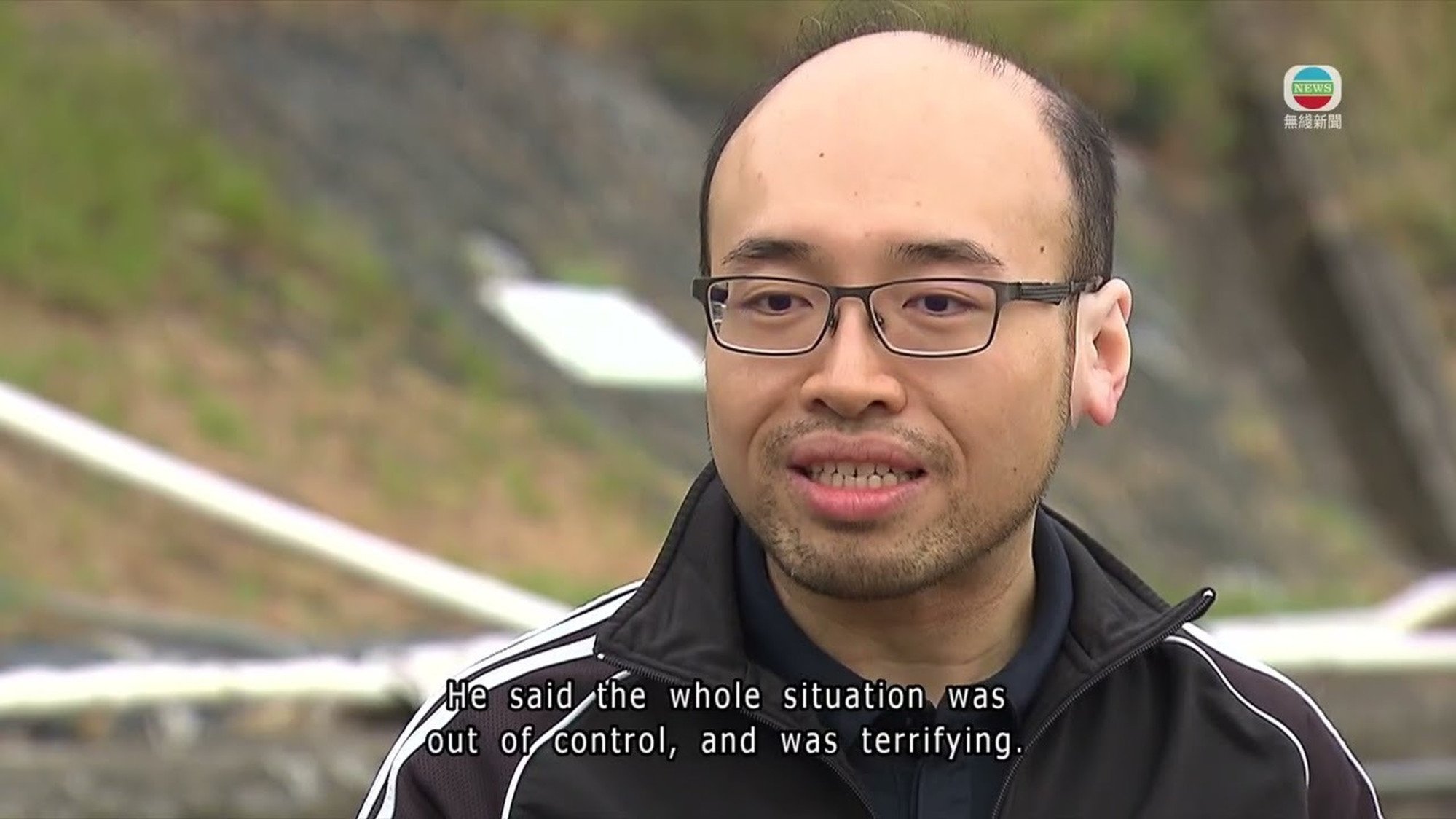
Chiu later participated in a TVB broadcast interview, asserting that the 2019 “uprisings” and the primary election were planned by “individuals with hidden intentions.”
He also indicated a wish to track the nation’s progress and gain insights from “key addresses” delivered by Chinese President Xi Jinping.
Conspiracy to ‘seriously undermine’ government
Justices Andrew Chan Hing-wai, Alex Lee Wan-tang, and Johnny Chan Jong-herng of the Court of First Instance determined in 2024 that the conspiracy, had it succeeded, would have “significantly disrupted or weakened” the government’s operations, as it would have caused considerable damage to the “power and authority of the government and the chief executive.”
They observed that the city’s leader would have had no alternative but to step down if the opposition had managed to gain control of the legislature and arbitrarily rejected the government’s financial plans, as any request for temporary funding would have also been obstructed, thereby significantly hindering the execution of new governmental policies.
The lower court emphasized that intentionally avoiding the evaluation of government budget matters represented a clear violation of legislators’ responsibility to protect national security and adhere to the Basic Law, which serves as the city’s foundational constitution.
It also highlighted statements made by a senior Chinese official in 2020, indicating that “anti-China forces” had attempted to disrupt the legislature and establish “legislative and administrative methods” to interfere with the government.
Let politics stay within Legco
Erik Shum Sze-man, on behalf of Helena Wong and Lam, contended during the appeal process that legislators had the right to take into account “external” elements when reviewing government spending plans, such as to push officials to fulfill a political requirement.
Shum emphasized the concept of separation of powers and stated that the Basic Law does not prohibit lawmakers from focusing on their additional responsibilities outlined in the mini-constitution, like advocating for universal suffrage.
“Politics should stay within the political sphere. Let politics stay in Legco,” he stated in July 2025.
David Ma Wai-kwan, representing Kalvin Ho and Raymond Chan, mentioned that the process for removing the city’s leader if the government’s budget was rejected twice by the legislature was outlined in the Basic Law and remained in effect even after Beijing introduced the national security law in June 2020.
Defendant’s acquittal was ‘perverse’
In an effort to reverse Lau’s acquittal, prosecutor Anthony Chau Tin-hang claimed that the trial court gave “excessive weight” to the defendant’s statement that he did not support Benny Tai’s manifesto of “mutual destruction”.
Chau claimed that the trial judges overlooked additional evidence demonstrating Lau’s awareness of the illegal scheme and his willingness to adhere to the outcome of the informal poll.
Lau, who is by occupation a lawyer, defended himself during the entire trial and appeal process. He requested the higher court to support the trial judges’ “thorough reasoning and careful examination.”
More Articles from SCMP
Shares of Chinese AI company Zhipu drop by almost 23% due to computing issues and user feedback.
A company associated with mainland China secures a contract to manage Hong Kong’s harborfront area.
This piece was first published in the South China Morning Post (www.scmp.com), a top news outlet covering China and Asia.
Copyright (c) 2026. South China Morning Post Publishers Ltd. All rights reserved.

 jasdooit
Leave a comment