
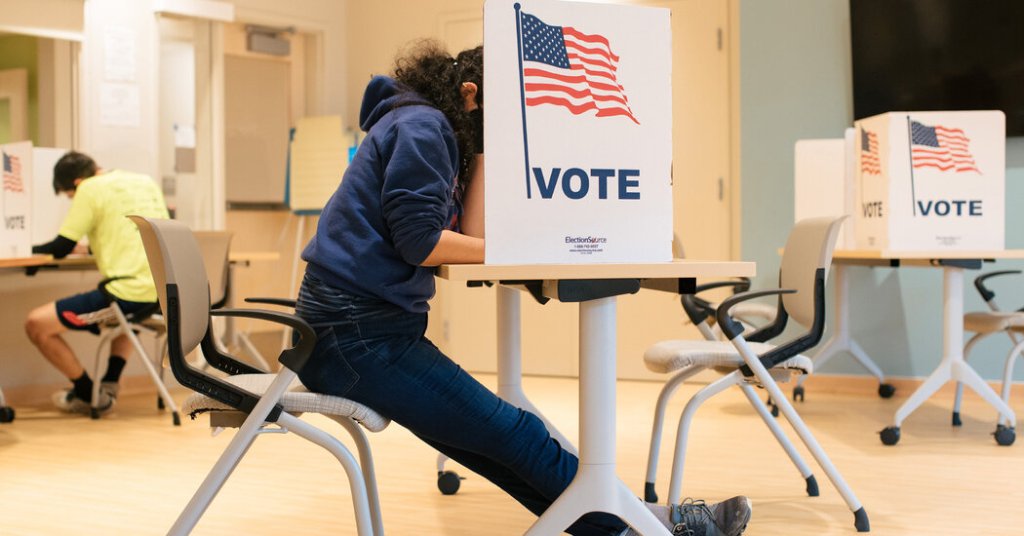
Combating false information and protecting our democratic system
By Andrea Naicker
One of the most lasting emblems of South Africa’s democracy is the voting booth — a symbol of our shared fight for liberty and the influence every individual has in determining our country’s path. As we get closer to the 2026 Local Government Elections, this democratic privilege relies more than ever on access to reliable, trustworthy information that helps people make educated choices. However, this essential base is being undermined by the rising issue of false information.
False or deceptive information, designed to mislead, has existed for a long time. It has been utilized historically in times of conflict and political changes, and is now intensified through modern technologies, such as advanced AI-powered tools that can create deepfakes, fake stories, and digital propaganda. These methods alter public views, weaken trust in democratic systems, and lead to significant social and economic impacts. At the local level, disinformation fosters distrust in city, regional, and national governance and may increase tensions among communities.
Many individuals find it challenging to differentiate reliable news from false information, particularly on social media platforms like X, TikTok, Facebook, WhatsApp, and YouTube. With local government elections approaching, communities might face hyper-localized misinformation that takes advantage of current tensions—such as problems with service delivery or political instability. These false claims can appear as altered “technical issues,” deceptive messages about voter registration, fake voice recordings, or stories about sabotage. The rapid spread of misleading stories through community WhatsApp groups and local networks makes them especially hard to address.
Acknowledging these dangers, a group of partners gathered at the “Countering Disinformation, Safeguarding Local Democracy” discussion in Cape Town on 18 February 2026. Organized by the Delegation of the European Union to South Africa, together with the Embassies of Lithuania and Poland and the Delegation of Flanders in partnership with the Institute of Security Studies, the event united global specialists, officials from the government, the Electoral Commission of South Africa (IEC), civil society organizations, media professionals, and decision-makers.
The meeting highlighted the importance of collaborative, multi-party strategies to enhance the accuracy of information before the regional elections.
Being aware of this, the IEC has increased its efforts to protect the electoral process. It has established Rapid-Response Channels that connect community radio stations and youth groups with fact-checking organizations, enabling quick correction of false information at the local level. The Commission has also focused on openness, making sure that voter management equipment and result systems are independently tested from start to finish, allowing the public to have confidence that all technologies operate as a “transparent system.”
Its “News Sausage” method promotes media outlets to transparently show how findings are checked and reviewed, reducing doubts and stopping the rise of conspiracy theories. Moreover, the IEC is expanding its communication efforts with an upgraded WhatsApp service and a specific podcast platform designed to involve younger voters as proactive seekers of truth.
The government remains dedicated to assisting citizens with accurate information by actively refuting misleading stories, funding programs that promote media literacy, and urging the public to consult trustworthy sources, such as official government websites (for example: ;https://www.sanews.gov.za/), and trusted media sources in South Africa.
Additionally, there have been policy changes – such as the White Paper on Communications and Digital Technologies and suggestions to tackle online harms, including platform responsibility and quicker identification and elimination of false information. Collaborations with groups like Moxii (formerly Media Monitoring Africa) and Real411, along with other organizations, further enhance immediate response and monitoring abilities.
Protecting democracy involves the participation of all relevant parties: government, election authorities, tech firms, civil organizations, community media, youth groups, and the public. By promoting public involvement, clear communication, collaborative efforts, and user-friendly digital solutions—like zero-rated platforms that enable voters to check information—South Africa is developing a strong “Democracy Shield” that ensures the reliability of the voting process.
South Africa’s democratic framework is reinforced through laws that protect the accuracy of information and promote responsibility. Important laws like the Cybercrimes Act and the Electoral Code of Conduct establish specific legal actions to ensure that those who deliberately spread damaging online misinformation are held accountable.
As we get ready for the local elections, the message is evident: we are not merely safeguarding a vote – we are protecting the truth. Maintaining the accuracy of information is crucial in preserving the democracy that countless people have worked hard to establish.
*Naicker holds the position of Assistant Director: Content Development, Communication Resource Centre within the Government Communication and Information System.
MatonaTue, 02/24/2026 – 11:45
Provided by SyndiGate Media Inc.Syndigate.info).



 jasdooit
Leave a comment