
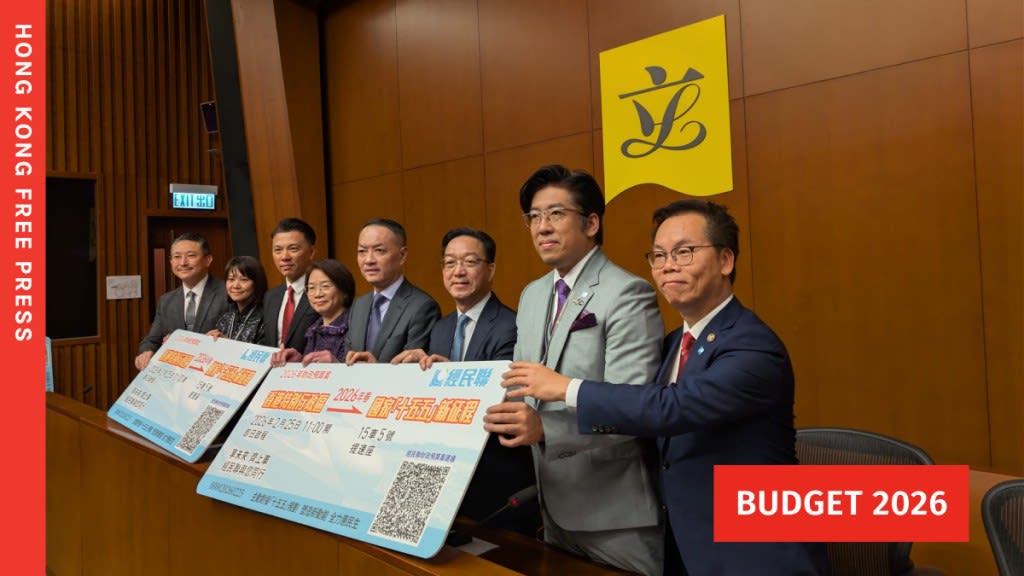
Hong Kong legislators have expressed strong approval of the yearly budget speech, especially highlighting the emphasis on advancing artificial intelligence (AI) and financial support for the Northern Metropolis initiatives.
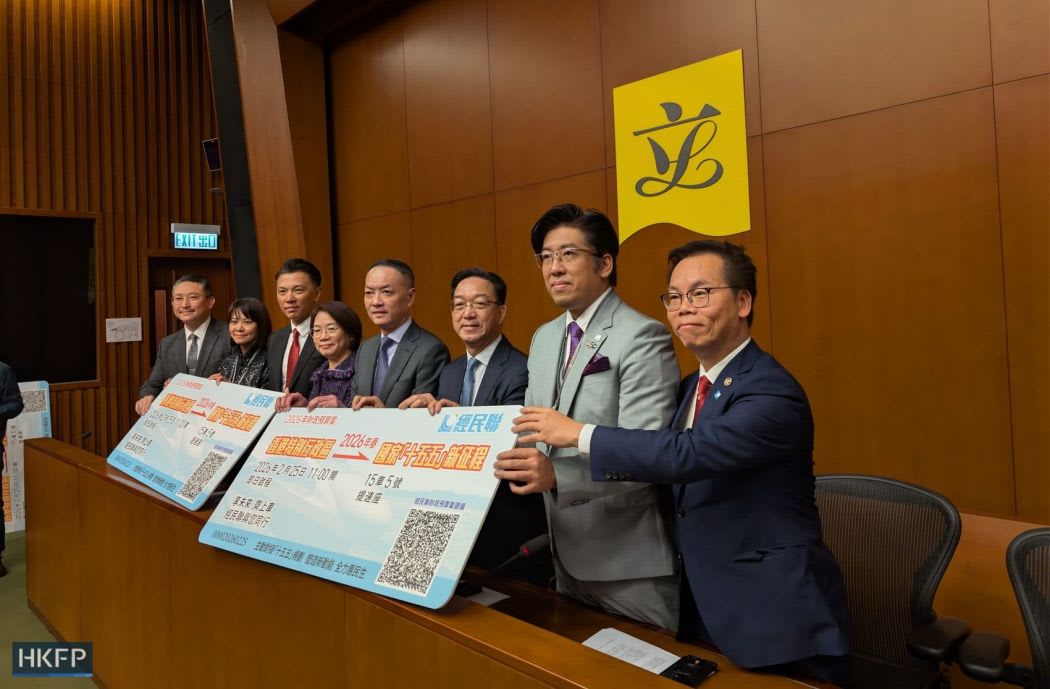
Speaking with journalists on Wednesday, following Financial Secretary Paul Chan’s budget address, legislators stated they were satisfied that authorities had incorporated many of their party’s recommendations, including injecting HK$500 million into the Chinese Medicine Development Fund andincreasing the child support to HK$140,000.
Elizabeth Quat, a politician from the Democratic Alliance for the Betterment and Progress of Hong Kong (DAB), stated that the government’s AI projects reflected its intention to encourage the adoption of AI across the entire community.
She emphasized the government’s distribution ofHK$50 million allocated to enhance AI awareness, including via university classes.
“This will enable young people, the general public, and students to utilize AI more effectively,” Quat said in Cantonese.
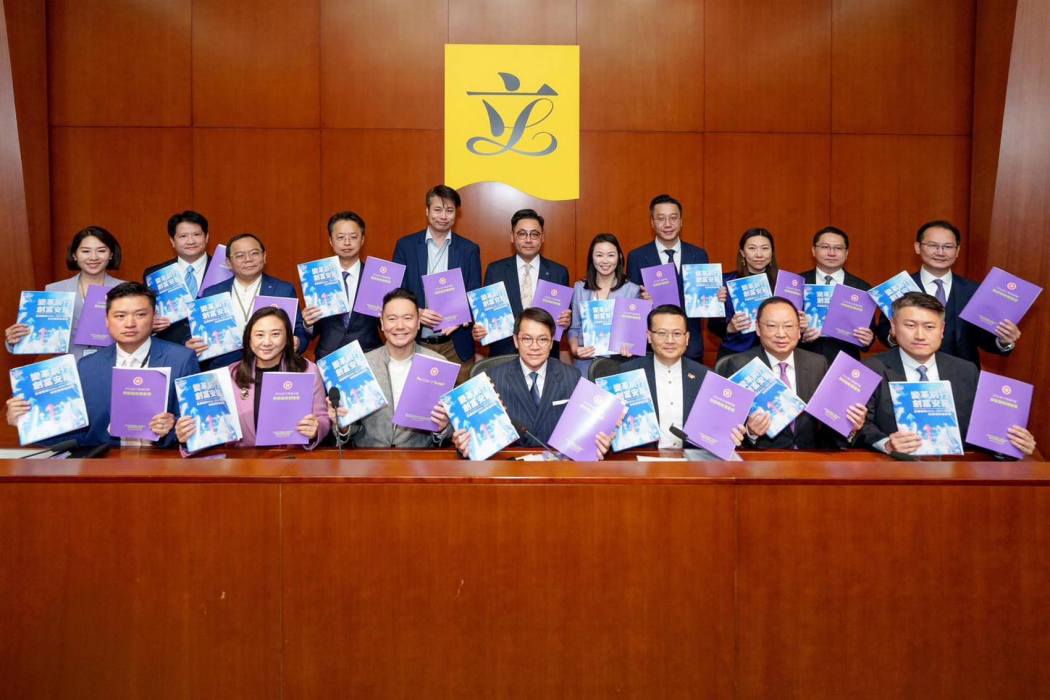
At a different press event, Jimmy Ng, head of the Business and Professionals Alliance (BPA), emphasized the party’s continued backing of the Northern Metropolis project, an ambitious HK$224 billion infrastructure effort aimed at developing 30,000 hectares of land near the Shenzhen border.
He lauded the government’s HK$10 billion infusions each towardsadvancing the San Tin Technopole, the Hetao Hong Kong Park, and the Hung Shui Kiu Industry Park Company – all components of the Northern Metropolis initiative.
The Northern Metropolis is the most crucial… for Hong Kong’s future growth,” Ng said in Cantonese. “It absolutely cannot be delayed.
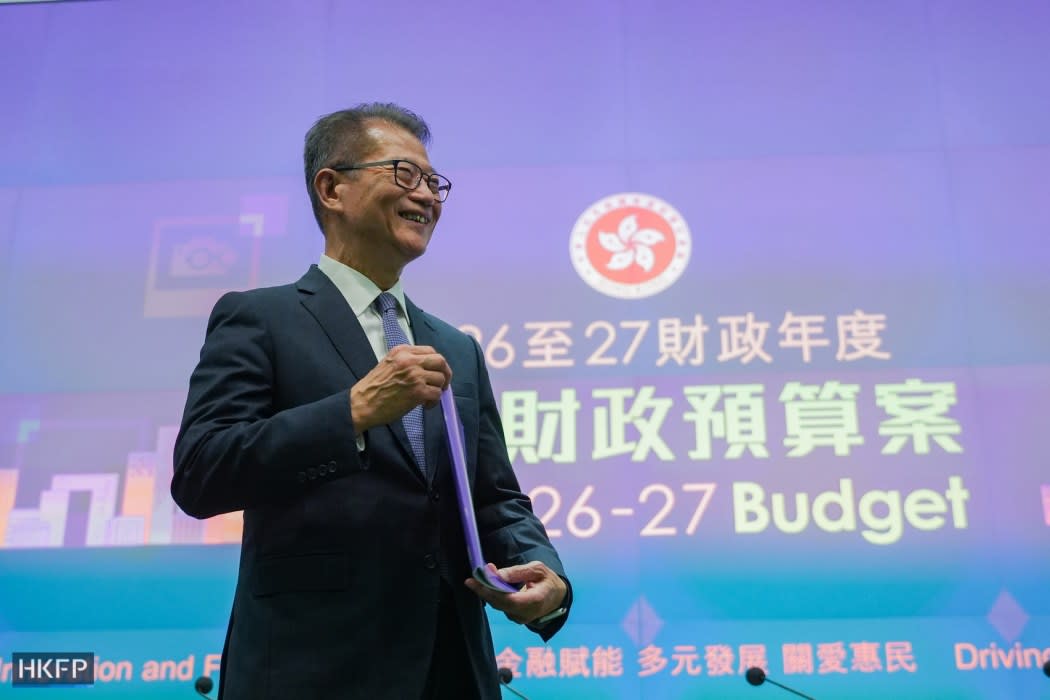
Chan mentioned in the budget address that the government would offer HK$10 billion in loans to “support campus expansion.”
Priscilla Leung, vice chair of the BPA, praised the government’s backing for universities establishing campuses within the Northern Metropolis University Town – a step she believes could aid in drawing skilled individuals to Hong Kong.
Electric vehicle scheme axed
Chan’s financial address marked the initial one for the current Legislative Council (LegCo) members, who commenced their tenure in January.
The present legislative body is the second group of officials chosen following an electoral change in 2021, aimed at allowing only individuals considered “patriots” to stand for positions.
The current year’s budget featured incentives for the public, including tax reductions, subsidies, and additional payments through social security programs. Nevertheless, the government chose not to adopt the DAB’s proposal to distribute retail and food service vouchers through a lottery system.
A DAB representative, Holden Chow, stated at the party’s press briefing that he would not claim the relief initiatives were “insufficient,” referring to an unstable external situation.
Gary Chan, the head of the DAB, voiced some worries about the government discontinuing its electric vehicle tax reduction program, referred to as the “One-for-One Replacement Scheme.”
“I believe this might lead to a slowdown in the development of the electric vehicle industry in Hong Kong,” Chan said in Cantonese.
He mentioned that this might impact the supply chain and involved parties, such as those managing charging and battery recycling operations.
A member of the New People’s Party, Dominic Lee, expressed concerns that the suspension of the initiative might impact China’s objectives for carbon neutrality.

 jasdooit
Leave a comment