
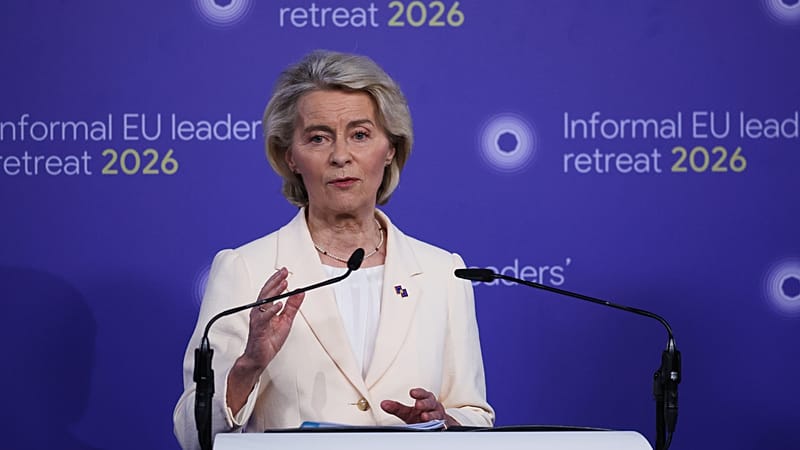
Although Europe possesses the world’s second-largest economy, it is hindered by internal obstacles, scattered rules, and regulations that cause it to operate more like a “market of 27” rather than a single, cohesive entity.
The approach highlights the key factors contributing to Europe’s competitive shortfall: complex regulations, underdeveloped financial markets, elevated energy expenses, and obstacles to trade inside the EU.
Major non-tariff obstacles still exist among EU nations, resulting in billions of euros lost annually due to distinct financial and regulatory frameworks. Businesses face extensive documentation, and European companies invest more on compliance compared to their American counterparts.
The updated strategy focuses on five key domains: simplified regulations, a harmonized market, energy, digital development, and commerce. It involves measures like new legislation to reduce administrative burdens, a unified EU business framework, enhanced connections among financial markets, expanded energy facilities, and increased funding for digital and technological advancements. The initiative also aims to broaden supply chain diversity and modernize trade policies to decrease Europe’s reliance on external sources.
Will these new measures be sufficient to enhance Europe’s global competitiveness, or is there still something lacking? Participate in our brief, anonymous survey to express your opinion. We will showcase the findings throughout the EU in videos, articles, and newsletters, and utilize your input to shape our coverage as we explore how Europe can thrive in the era of artificial intelligence.


 jasdooit
Leave a comment