
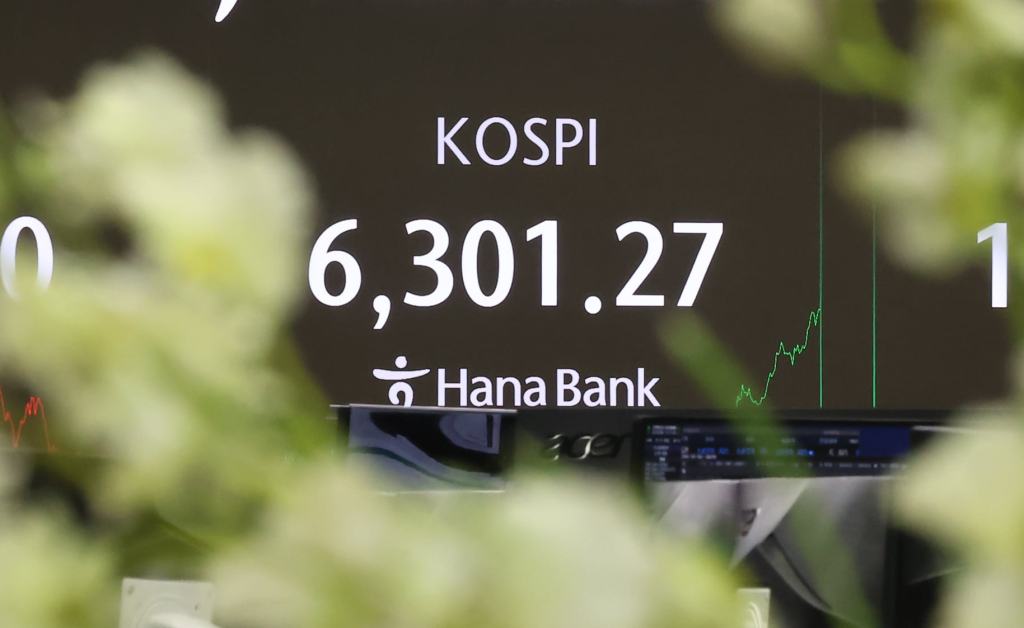
The upward movement in the domestic stock market remained strong, as the daily average trading volume on the KOSPI surpassed 30 trillion South Korean won for the first time last month. Nevertheless, experts point out that the trend of “concentration in big-cap stocks” continues, with semiconductor leaders such as Samsung Electronics and SK Hynix making up over a third of the overall trading volume.
As reported by the Korea Exchange on the 2nd, the average daily trading volume of the KOSPI amounted to 32.243 trillion South Korean won in the previous month, reflecting a 19% rise compared to January’s 27.056 trillion South Korean won.
This increase is due to the KOSPI’s significant climb, reaching the 6,000-point level for the first time ever last month. In the past month, the KOSPI’s growth rate reached 19.5%, in contrast to the U.S. NASDAQ and S&P 500, which declined by 3.4% and 0.87% respectively during the same period.
Nevertheless, trading volumes continued to be mainly focused on major semiconductor companies. According to data from the Korea Exchange, the daily average transaction value for Samsung Electronics, SK Hynix, and Samsung Electronics Class A Preferred shares amounted to 10.502 trillion Korean won, accounting for one-third of the overall total.
The stock turnover rate listed reached 28%, the highest in three years and ten months, dating back to April 2022. The turnover rate, determined by dividing the trading volume by the total number of listed shares, reflects increased stock trading activity.
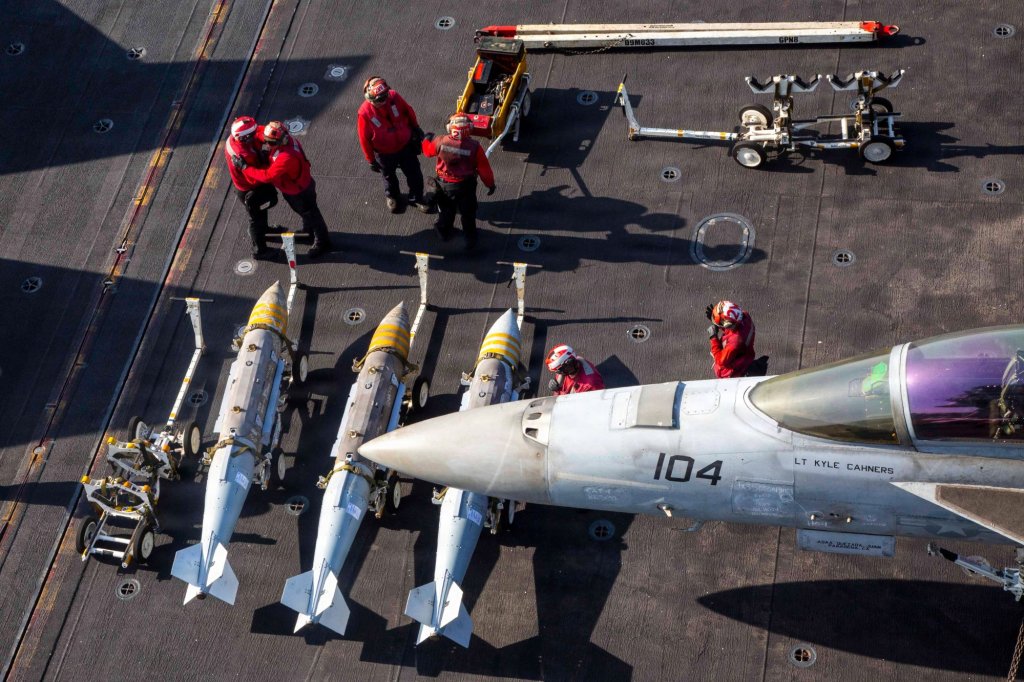
Although securities companies predict that the KOSPI’s long-term upward movement will remain, they warn that short-term fluctuations may grow because of external influences like military conflicts between the U.S. and Iran. Seo Sang-yeong, a researcher at Mirae Asset Securities, mentioned, “Major investment firms suggest that a complete blockage of the Hormuz Strait could cause oil prices to rise by an extra $10–15 in the short term,” and added, “Short-term stock market volatility is unavoidable, and if international oil prices keep increasing, downward volatility is expected to rise.” Han Ji-young, a researcher at Kiwoom Securities, pointed out, “Considering U.S. President Donald Trump’s comments that attacks will continue this week, the conflict is unlikely to conclude soon,” and stressed, “Increased price volatility is inevitable in the near future.”

 jasdooit
Leave a comment