
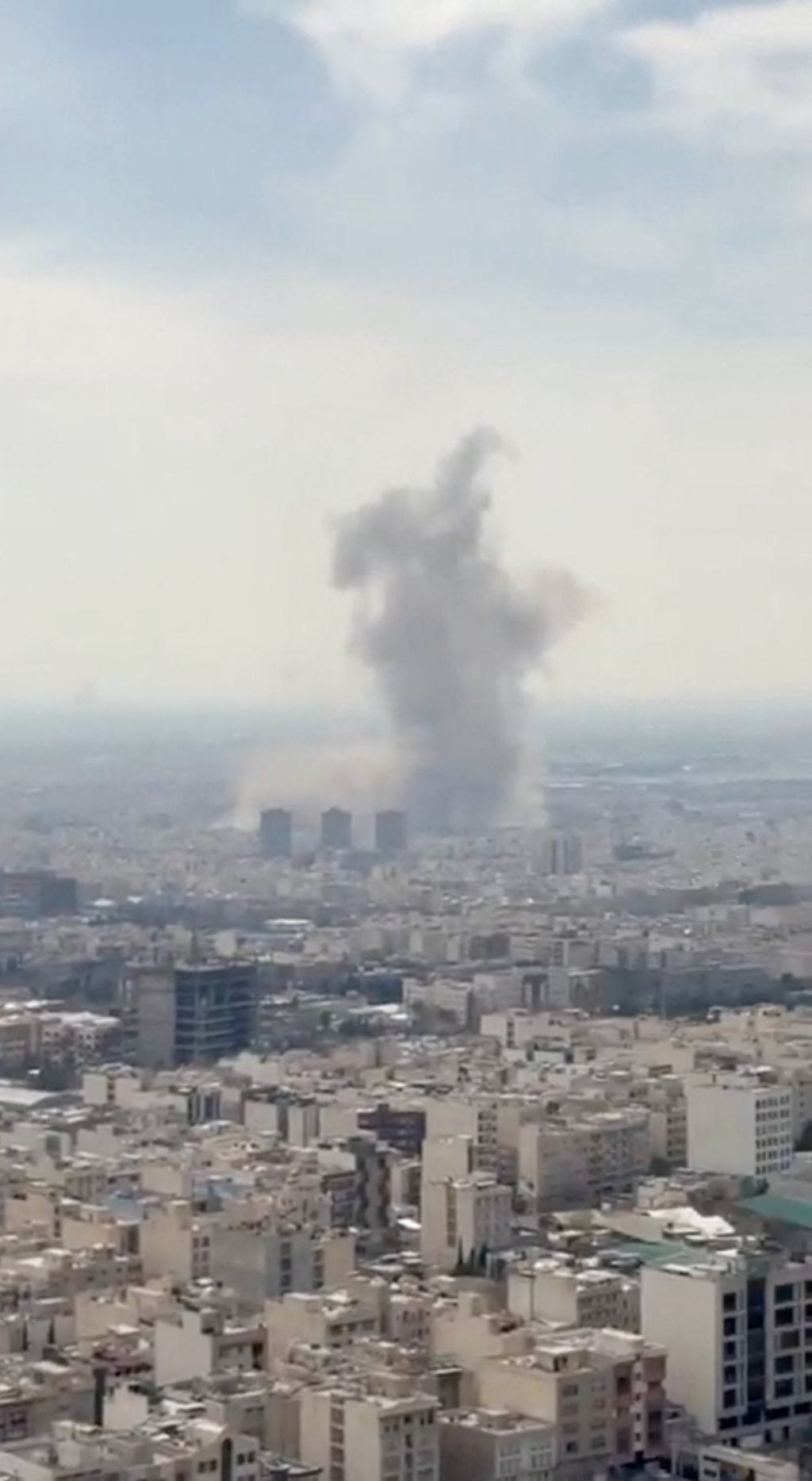
As the United States and Israel keep targeting Iran, new information has come to light regarding how intelligence agencies orchestrated their assault.
Further discussions are scheduled with the US, and it is possible that any assassination attempt would occur at night, as Iranian Supreme Leader Ali Khamenei was at his compound in Tehran on Saturday morning.
It would be his final one.
A bombing destroyed the Tehran residence where senior leaders were assembled, resulting in the deaths of Khamenei, his spouse, and other high-ranking officials.
Are you curious about the most significant issues and developments from across the globe? Find the solutions withSCMP Knowledge, our latest platform offering carefully selected content including explainers, FAQs, analyses, and infographics, presented by our acclaimed team.
As the US and Israel have launched thousands of attacks against Iran over the past week, some information has come to light regarding how their intelligence agencies—the CIA and Mossad—established an operation that highlights once more how deeply Iran has been infiltrated.
As per declarations from American officials, it was an Israeli attack facilitated by U.S. and Israeli intelligence and communication surveillance.
The New York Times stated that the CIA (Central Intelligence Agency) provided the Israelis with information regarding Khamenei’s whereabouts at sunrise on the day of the attack.
As reported by the Financial Times, nearly all road monitoring cameras in Tehran were reportedly compromised by Israel several years back, with their encrypted video streams sent to servers located in the country.
A single camera captured a highly effective view of the supreme leader’s residence on Pasteur Street in downtown Tehran, allowing for the recognition of guards, their schedules, and activities, as reported by the newspaper.
“We were familiar with Tehran as we are with Jerusalem,” an Israeli intelligence official told the newspaper.
A unspecified quantity of high-ranking Iranian security personnel were killed along with Khamenei.
Iranian media have verified the deaths of army chief of staff Abdolrahim Mousavi, Revolutionary Guards commander Mohammad Pakpour, the defense minister, the head of the police intelligence department, and several others.
Unverified Israeli media sources have stated that an image of Khamenei’s body was transmitted from the location, with commentator Ben Caspit noting that “once the specifics of his killing are revealed, people will be shocked.”
“Iran was taken by surprise. The initial attack will be analyzed by military academies worldwide for many years,” Caspit wrote in the Maariv newspaper.
According to military analyst Yossi Yehoshua, who wrote in the newspaper Yedioth Ahronoth, the killing of Khamenei “alters the whole dynamic of deterrence in the Middle East and places Israel in a position of strength it has never experienced before.”
Other analysts and specialists have cautioned that it also sets a perilous precedent for the killing of a globally acknowledged leader.
Although Israel’s internal security agencies faced significant criticism for their inability to identify and stop the devastating Hamas attack on October 7, 2023, the foreign intelligence agency Mossad has enhanced its standing since then.
Notable assassinations have involved the leader of Hezbollah, Hassan Nasrallah, in Beirut, and senior Hamas figures, including Ismail Haniyeh, who was killed in Tehran.
Israel also killed and injured Hezbollah agents in Lebanon during a surprising operation where small explosives were concealed in pagers used by the Iran-backed organization, which detonated when triggered remotely.
Yehoshua stated that Israel’s ability to carry out such operations was evidently increasing, and in the killing of Khamenei, it “achieved a level of skill that might have been the most significant targeted assassination in history.”
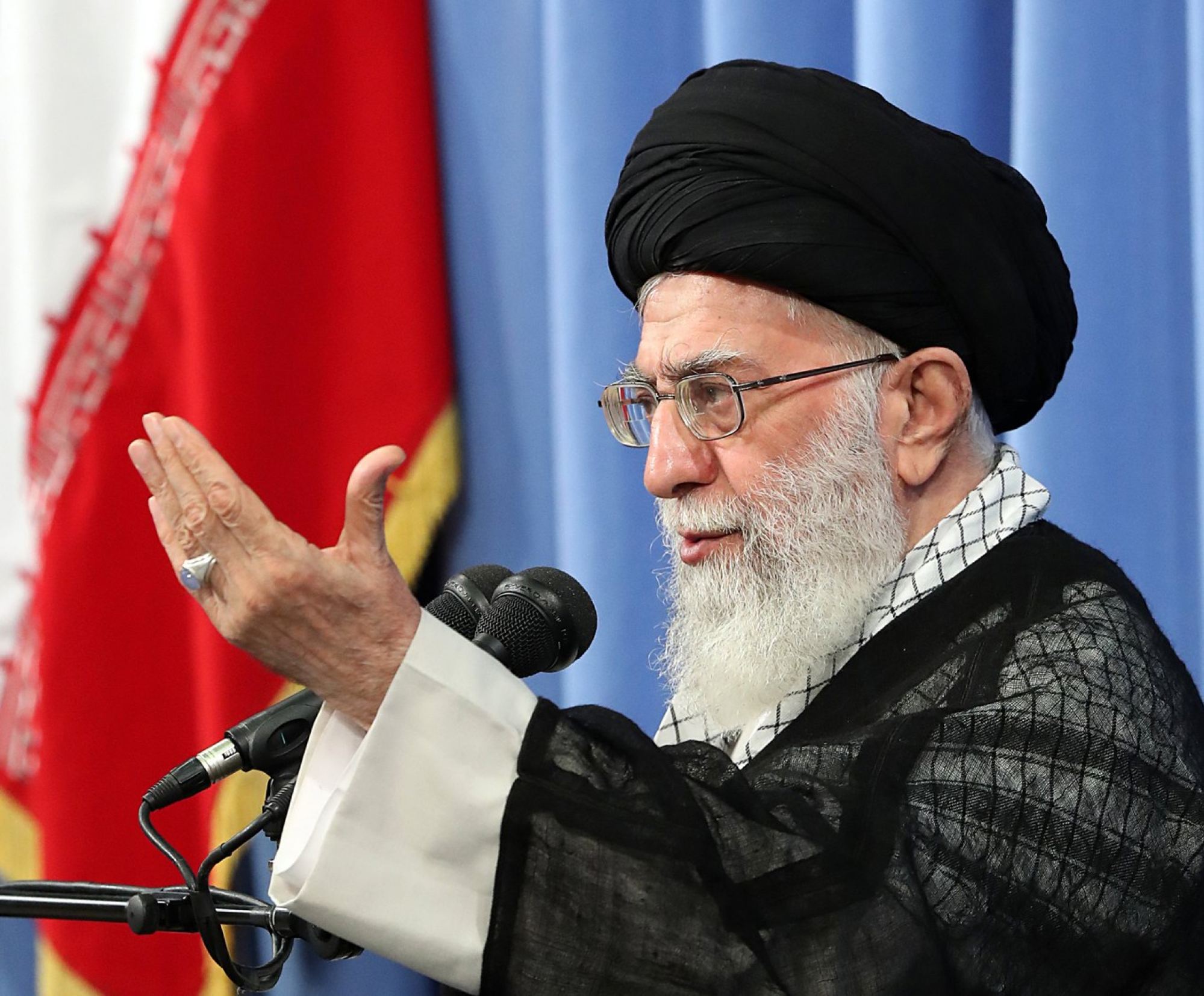
Israeli investigative journalist Ronen Bergman, the writer of a widely-read book about Mossad, pointed out that Khamenei was not in seclusion.
“It’s as if there’s a sign on his door that reads: ‘Home to the Happy Khamenei Family,’” he quipped on social media.
However, some have suggested that Khamenei, who is 86 years old, was willing to face death as he perceived it to be a form of martyrdom, or that he believed international standards prohibiting the assassination of head of state would provide him with safety.
A retired French military official and specialist in various conflicts, who has asked to remain unidentified, stated that the complete consequences of Khamenei’s passing are yet to be determined.
“The specifics of secret missions, in contrast to air strikes, are inherently difficult to ascertain and represent a significant area of contention in communication,” the specialist mentioned.
“The intended message is that this was a ‘clean, accurate, and perfect’ operation that removes a regime in a single strike and changes the situation,” the source stated.
But the opposing side isn’t engaged in poker. This isn’t Las Vegas. They’re playing chess—and losing a significant piece doesn’t conclude the game.
More Articles from SCMP
Innovation and livelihoods – the two key aspects of China’s 5-year plan
Team Alive-Rampage wins the Rolex China Sea Race’s line honors, yet the record stands unchanged
In the new global order, Europe and China’s interests coincide.
This piece was first published in the South China Morning Post (www.scmp.com), a top news outlet covering China and Asia.
Copyright (c) 2026. South China Morning Post Publishers Ltd. All rights reserved.

 jasdooit
Leave a comment