
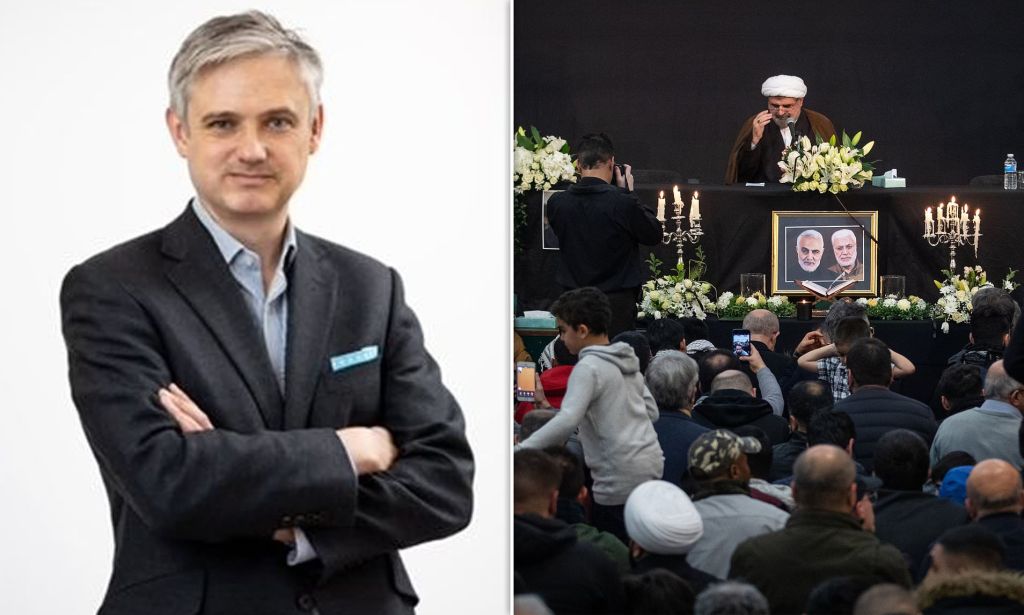
A former extremism advisor to the government has cautioned that concerns about being labeled racist may have resulted in a network of charities transforming into ‘soft power’ centers forIran.
A landmark report by LabourPeer Lord Walney has pointed out over 30 groups that he claims are part of the network connected to the radical Iranian Islamic Republic.
They consist of religious organizations, cultural bodies, community centers, and charities functioning across the UK.
However, Lord Walney, a former Labour MP, states that concerns about getting involved in racial discrimination disputes have stopped officials from taking action against them, but he cautions that they need to do so.
And he states that the Charity Commission, which oversees charities in the UK, needs additional authority to address the ‘core purpose’ of potentially unethical charities.
Former commission leader Sir William Shawcross informed Lord Walney that there was ‘broad concern among police, schools, headmasters, and others about being labeled as racist’ if they opposed any suspect groups.
Commission chair from 2012 to 2018, Sir William mentioned that he faced a ‘genuine anxiety regarding discussing concerns about Muslim groups’.
He cautioned that even eight years prior, when he departed the commission, “it was already evident that the Iranians were highly active in Britain, within both charitable and non-charitable groups.”

The latest report, Undue Influence, states that Iran utilizes the network to sustain its ‘influence and interests’ in the UK, separatelyorganizing brutal assaults on opponents, Iranian media outlets, and the Jewish population.
Even though eight of the ten charities mentioned in the report, which are said to be part of an alleged Iranian influence network, are already under some form of continuous investigation by the Charity Commission, Lord Walney asserts that there have been ‘systemic delays’ in handling them.
The commission lacked sufficient authority to handle them, faced difficulties in obtaining information from the Home Office and other organizations, he cautioned.
And all too frequently, the report revealed that the commission was hindered by technical challenges such as complicated governance issues, instead of focusing on fundamental concerns regarding organizations, allowing them to function without consequences for years in certain instances.
In his research, he stated that Sir William Shawcross indicated the commission had ‘never possessed the necessary resources for any investigations, and certainly not for counter-terrorism or counter-extremism inquiries’.
Kasra Aarabi, from United Against Nuclear Iran, which focuses on the dangers presented by the Islamic Republic, acknowledged that officials were fearful of being labeled as Islamophobes.
“I believe this stems from political will, and regrettably, the fear of being called Islamophobic. The first accusation these individuals [the charities under scrutiny] will make is about Islamophobia,” said Mr. Aarabi.
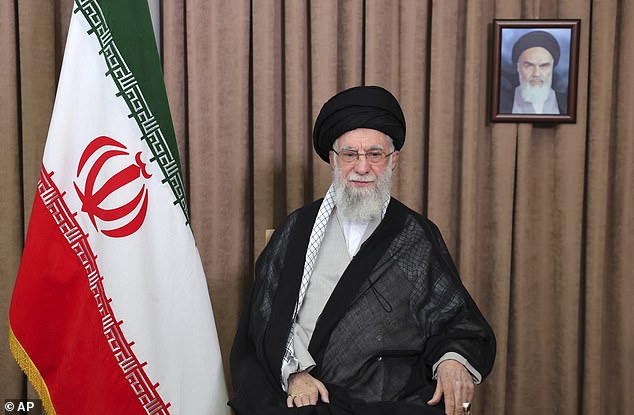
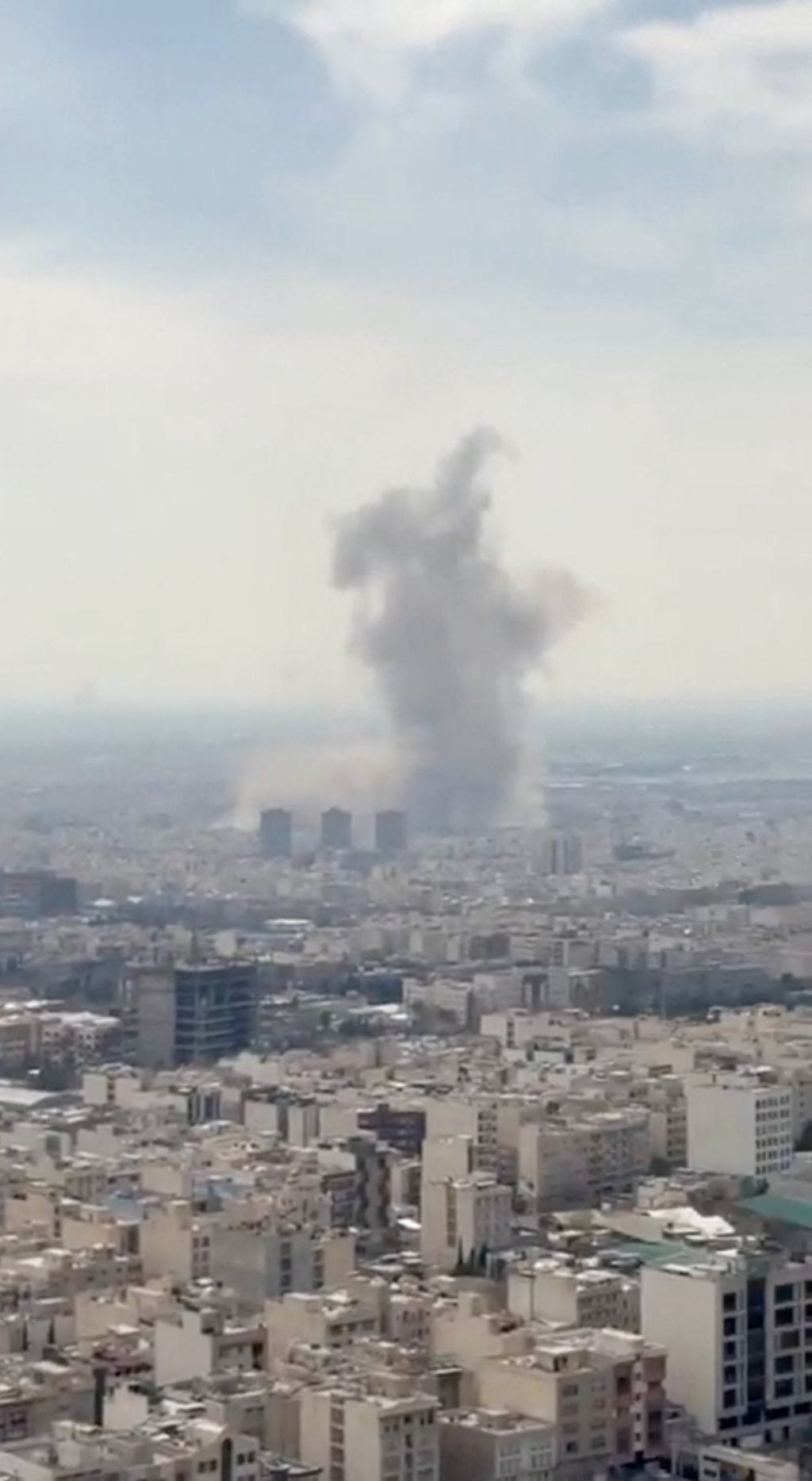
Lord Walney pointed out the Islamic Centre of England (ICE), which is closely associated with Iranian Ayatollah Ali Khamenei, who was killed last week in an airstrike on his headquarters in Tehran, as a likely ‘central hub’ within the Iran-connected charity network.
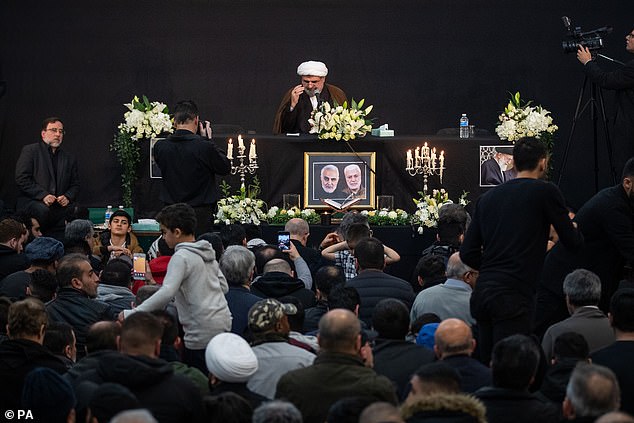
Khamenei reportedly named its former director and secretary, and last week, mourners honored him by placing candles and pictures of him outside the building in Maida Vale, northwest London.
The FBI has frequently been criticized for its association with the harsh government.
Last year, the Government’s cross-party Intelligence and Security Committee reportedly stated that ICE could offer Iranian intelligence operatives “a useful base from which to operate.”
Aliasghar Ramezanpour, who served as the deputy minister of culture in the Iranian government from 2000 to 2003, referred to ICE as ‘a sort of central office that oversees all the network [of charities in the UK]’ in the report.
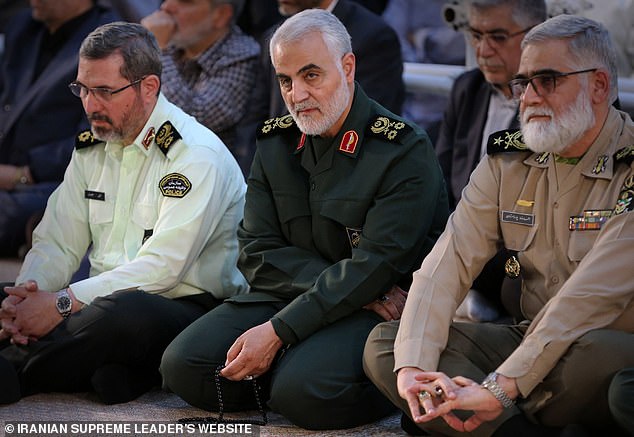
In 2020, ICE was issued an official caution by the Charity Commission following a memorial event for Qasem Soleimani, a leader of the Islamic Revolutionary Guard Corps (IRGC) who was killed by the United States and was under UK sanctions.
More than 2,000 individuals participated in the event, according to The Times, including Iran’s envoy in London.
Soleimani was honored as a “devoted warrior of Islam” who had been killed by “the most evil individuals of humanity.”
In 2021, additional regulatory issues were recognized and a strategy document was released.
A legal investigation, which is still ongoing, was initiated in November 2022 by the commission due to ICE’s failure to fully adhere to the official warning and action plan.
In response to the allegations mentioned in the report, ICE has refuted claims that it serves as a base for any group associated with Khamenei.
It sent a letter to Lord Walney stating that neither the Iranian political system nor any political individual had any influence or control over its operations, and it denied acting on behalf of any foreign government.
ICE stated that it felt the release of what it called misleading and provocative statements could encourage religious hostility and lead to damage.
The Islamic Human Rights Commission (IHRC) has also responded to Lord Walney, criticizing him for ‘McCarthyite rhetoric,’ referencing Senator Joseph McCarthy, who initiated the notorious 1950s investigations into a supposed communist spy network within the US State Department.
His document outlines claims directed at the IHRC, an organization that coordinates the yearly Al Quds march associated with the Iranian government.
He described how the group’s leader has commended the Iranian government andsupported the fatwa issued against Sir Salman Rushdie, the writer of The Satanic Verses, who was notably compelled to go into seclusion for many years after it was issued.
In a profoundly personal criticism, Iranian Chair Massoud Shadjareh criticized Lord Walney for ‘inappropriately leveraging’ his status as a peer to author the report, and labeled him a ‘pro-Israel, untrustworthy individual’.
He further criticized him for promoting his ‘unsubstantiated statements’ in The Spectator magazine via his wife, Isabel Hardman, who serves as the publication’s assistant editor.
And he stated that the IHRC “had been repeatedly subjected to violence in recent years (including during the Gaza genocide, when the building was attacked after similar false allegations were made)” and accused him of “baseless claims” that “only contribute to the material that incites such violence.”
The Charity Commission has also initiated a regulatory compliance investigation into Dar Alhekma Trust following one of its trustees, Saeed Shehabi, who commended a commander from the IRGC and commented after the October 7 Hamas terrorist attacks that Palestinians “rose up and took control of the situation.”
Lord Walney referred to an event in May 2024 where an individual associated with the charity was involved in an incident with Iranian exiles, resulting in a victim sustaining severe spinal injuries.
However, Dar Alhekma distanced itself from the individual, stating that he never held a leadership or administrative position but only worked at the mosque on a limited freelance basis as a radod, or singer.
It “firmly denied” allegations that it was established to advance the interests of Iran’s government, and stated that Shehabi was a “long-time advocate for peace.”
A representative stated that his individual remarks did not reflect the trust’s position and emphasized that presenting them as evidence that Dar Alhekma Trust is working to benefit the Iranian government was “misleading.”
Lord Walney’s report suggests enhancing the Charity Commission through various actions, such as broadening its disqualification authority, requiring other agencies to share information with the commission, speeding up its appeal procedures for cases involving extremism, and implementing identity checks for trustees.
A representative from the Charity Commission stated to The Times on Saturday that they treat any claimed connections between charities and extremism with great seriousness, and review all reports “without fear or favor.”
As a regulatory authority, we utilize the powers provided by Parliament to address instances of misconduct effectively and refer cases to other agencies when necessary, including situations involving potential criminal activity.
In response to this week’s events in Iran, we have been in direct communication with several charities referenced in this report, reminding the trustees of their legal obligations concerning political activities, and cautioning them about the potential repercussions of violating charity regulations.
Nevertheless, the commission currently lacks the authority to revoke charitable status as a penalty, and without the prohibition of the IRGC, the commission can only intervene when there is clear proof of a violation of charity law.
With the rise of extremist threats, we understand that our capabilities need to evolve accordingly. We are currently engaged in constructive discussions with the government to make sure our powers and associated resources are suitable for today’s challenges and tomorrow’s needs.

 jasdooit
Leave a comment