
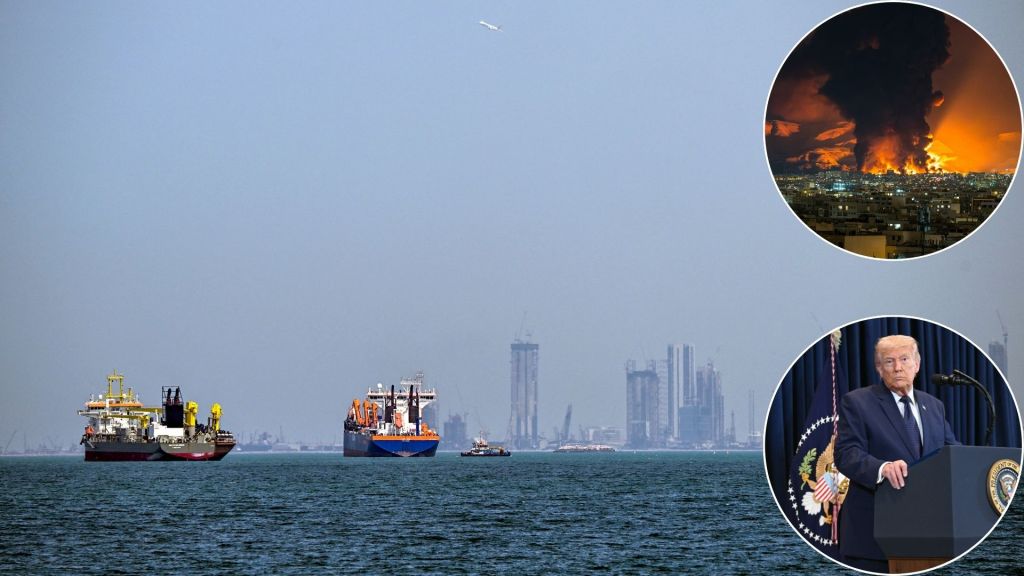
Tensions in the Strait of Hormuz have risen sharply following at least three commercial ships being attacked in separate events within this critical waterway, one of the key passages for global oil transport. The assaults occurred as Iran issued a direct warning to vessels associated with the United States, Israel, and their allies, stating that such ships would be regarded as «legitimate targets» amid the worsening conflict. The threats and attacks have increased concerns that the Iran conflict could interfere with global energy supplies, given that this narrow sea route handles approximately 20% of the world’s oil exports. Governments and shipping firms are now reevaluating risks as military actions and security issues escalate throughout the Gulf area.
The Iran war
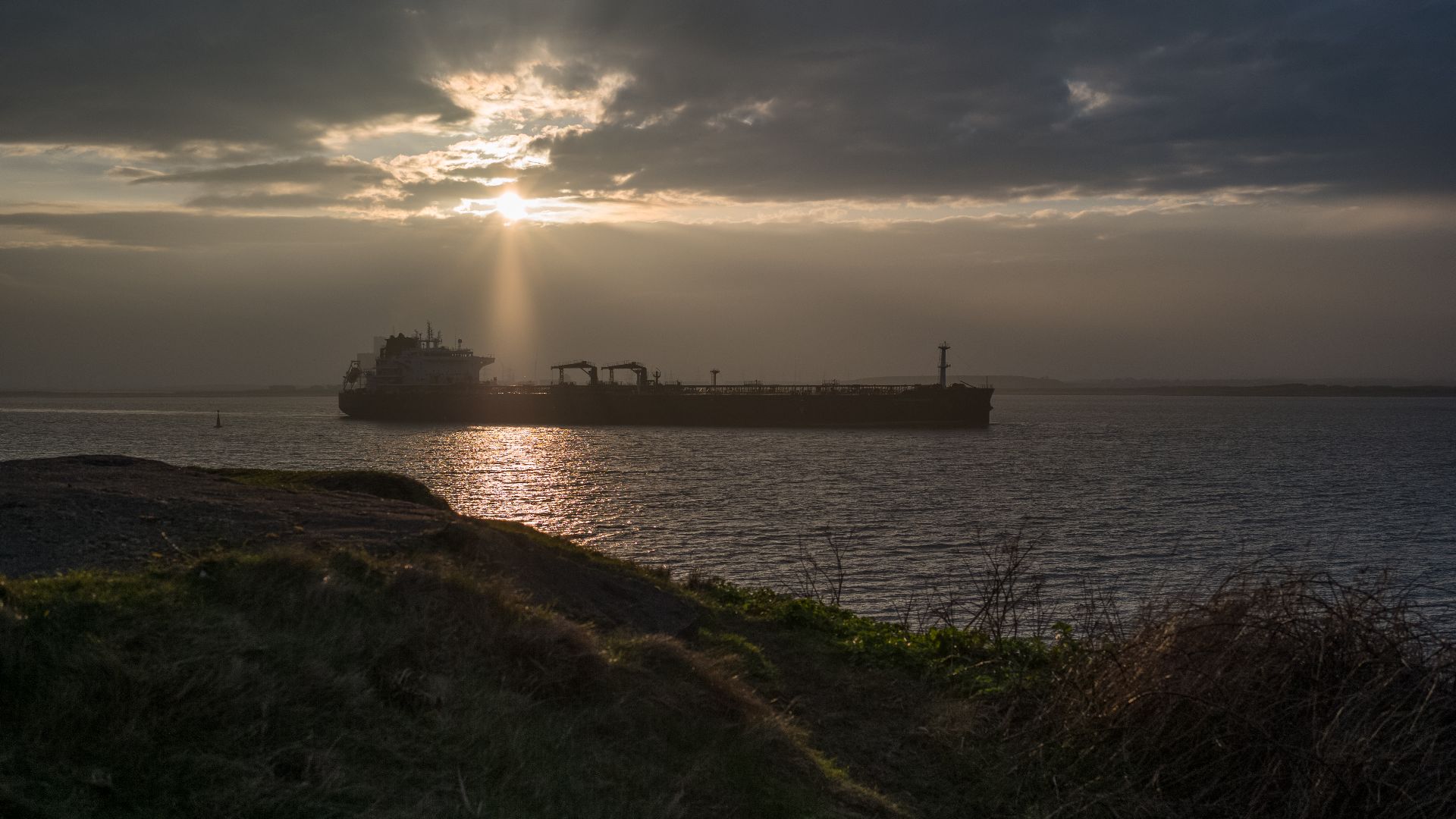
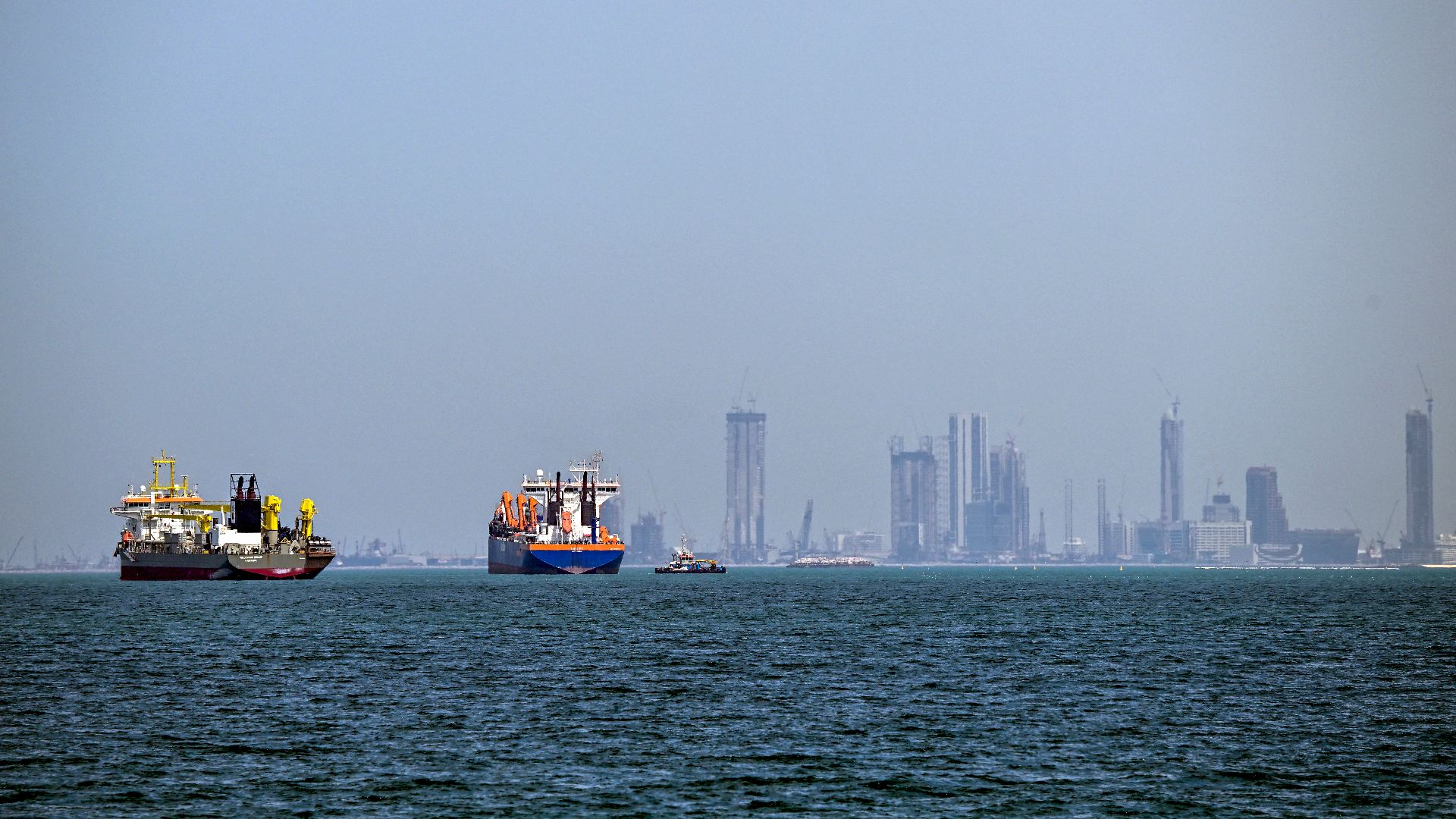
Tensions in the Strait of Hormuz escalated following at least three commercial ships being hit by projectiles within and near the vital sea passage, fueling concerns that the conflict involving Iran is spreading to international shipping lanes.
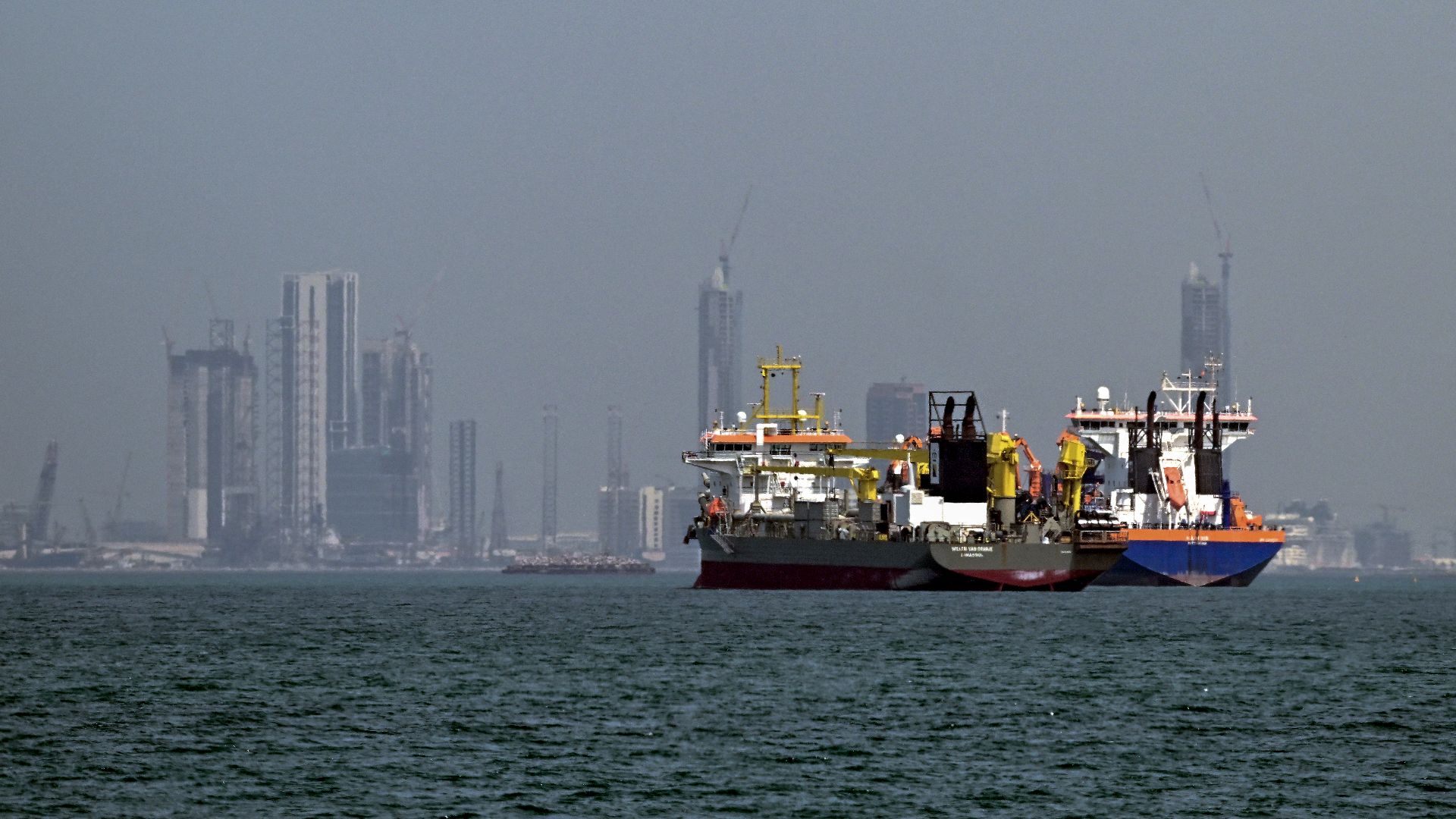
Maritime security authorities stated that a cargo ship near Oman, a bulk carrier north of Dubai, and a container vessel near Ras al-Khaimah were targeted in distinct incidents. The assaults took place amid rising tensions between Iran, the United States, and Israel, which have intensified after U.S. and Israeli strikes on Iranian facilities. Shipping firms are now rerouting ships away from the confined waterway as the security situation deteriorates and the likelihood of additional attacks increases.
A direct warning
Iran’s military authorities issued a clear warning to global maritime traffic just before the events. In a statement broadcast by Iranian state television, the central operational command of the armed forces, Khatam Al-Anbiya, stated: «Any ship that has oil cargo or is owned by the United States, the Zionist regime, or their antagonistic allies will be regarded as valid targets».
The statement also cautioned that Iran’s military forces “will not permit a single liter of oil to pass” through the strait as long as the conflict persists. The declaration represented one of the most explicit warnings so far that Tehran might strike energy shipments traveling through this critical passage connecting the Persian Gulf to the worldwide market.
Global supply chains

The Strait of Hormuz is among the world’s most important maritime bottlenecks, handling approximately one-fifth of global oil shipments daily and linking major Gulf producers to worldwide markets. Under normal circumstances, about 20 million barrels of crude oil flow through this narrow passage each day, making it a crucial link in the global energy network. Even minor interruptions in the strait can quickly affect financial markets and international supply chains. Since the conflict started, oil prices have risen sharply, and shipping companies have started to divert their vessels, with insurers increasing costs or refusing to cover ships entering the area.
Large-scale strikes
The conflict broke out following extensive strikes by the United States and Israel on Iranian military facilities, leading to widespread retaliation throughout the Middle East. Iranian forces countered with missile and drone attacks aimed at U.S. military bases, Israeli territory, and infrastructure in multiple Gulf countries.
Washington has also increased its naval activities in the area as tensions escalated in the Gulf. U.S. officials state that the military presence is intended to prevent additional attacks on international shipping and ensure the waterway remains accessible while the conflict expands.
A priority
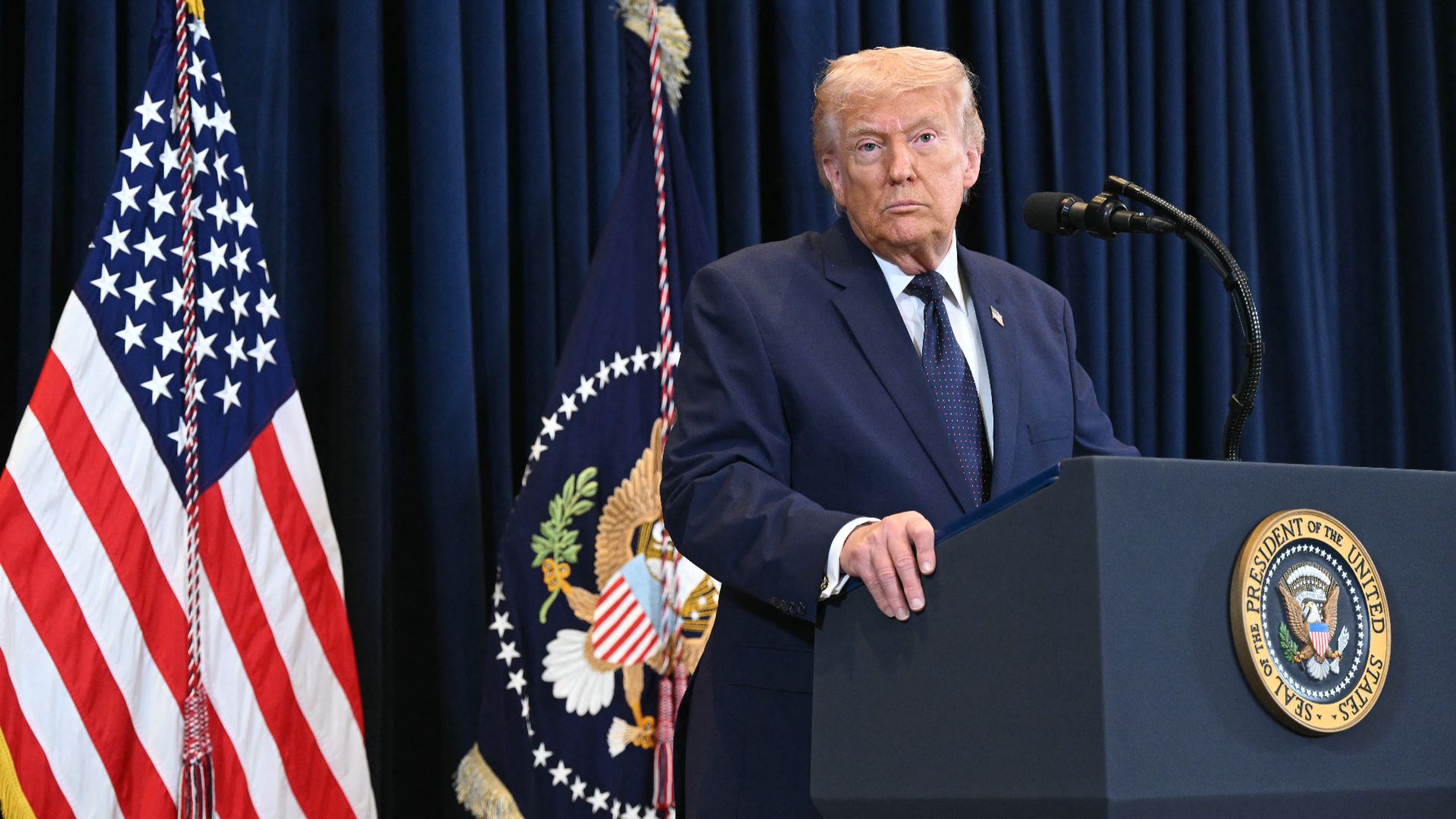
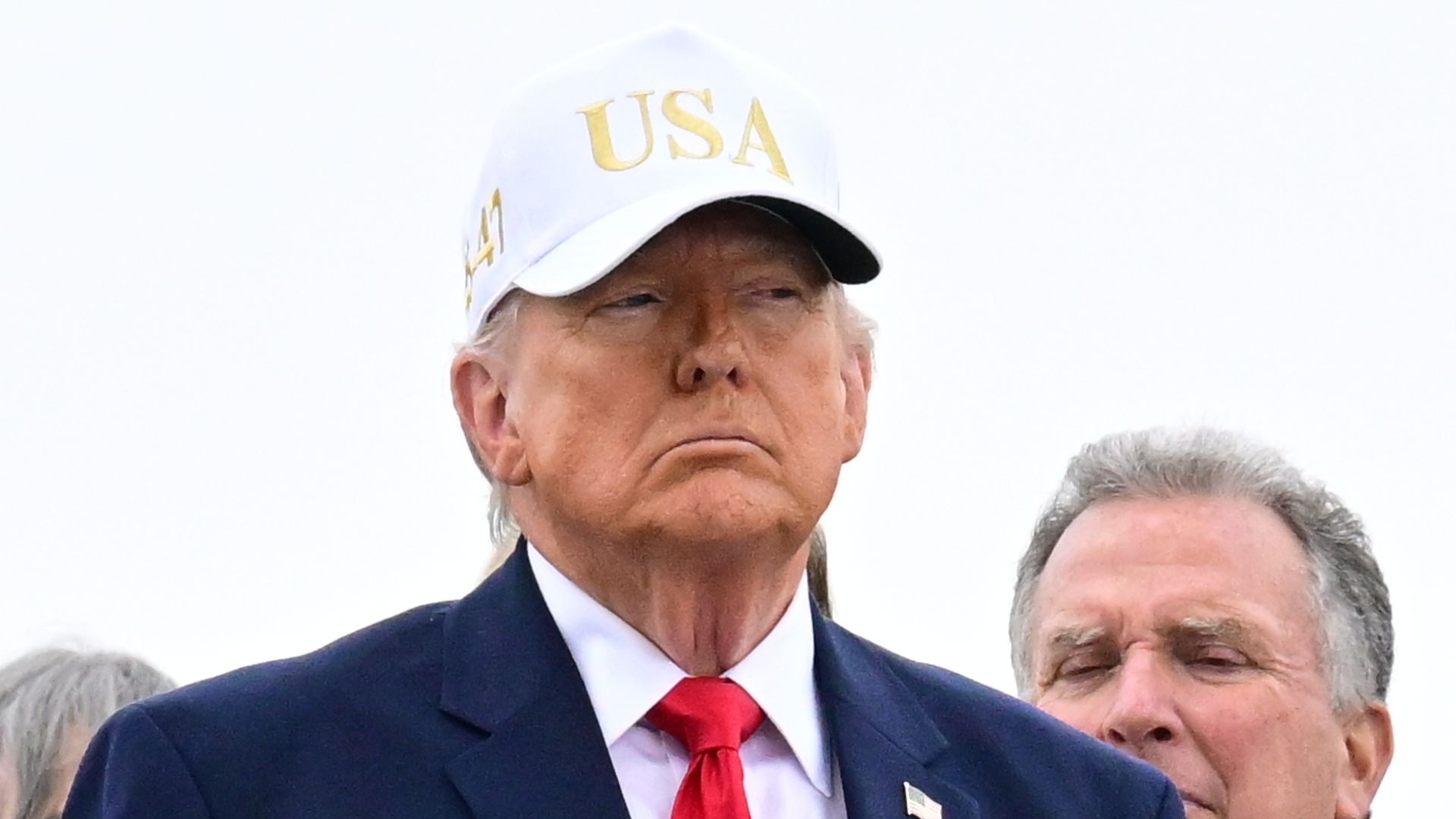
The administration of Donald Trump has stated that it will maintain military actions to ensure the strategic shipping route remains accessible. U.S. officials emphasize that safeguarding freedom of navigation through the strait is a key focus for American forces operating in the area.
Meanwhile, Washington is taking steps to stabilize global energy markets following a rise in oil prices due to the attacks and threats directed at shipping. Officials mentioned that the United States and its allies are ready to release oil from strategic petroleum reserves if needed to counteract supply interruptions and prevent price increases caused by the growing conflict.
The economic consequences
Allies of the United States have voiced worries regarding the financial impacts of the conflict and the risk that trade movements might face major interruptions. Authorities in Europe and Asia have advised shipping firms to be careful when navigating close to the strait as the security environment worsens.
Experts caution that extended interruptions in the passage could lead to significant impacts on global energy markets and trade movements. As multiple ships have already been harmed and insurance expenses are increasing rapidly, the situation in the Strait of Hormuz is now endangering one of the world’s most critical energy corridors.
Made by people, with the help of artificial intelligence.



 jasdooit
Leave a comment