
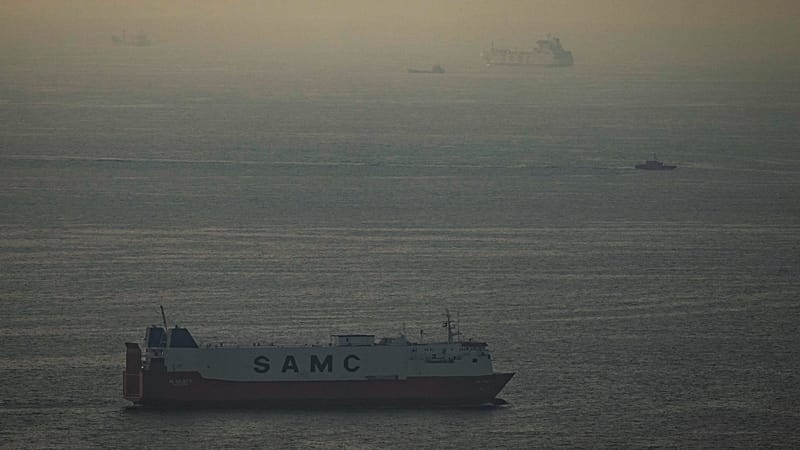
Russia’s oil revenues have risen since the war in Iran began, according to data, as the continuing conflict has stopped oil deliveries through the Strait of Hormuz and driven up worldwide energy costs.
According to data from the Centre for Research on Energy and Clean Air (CREA), Russia has already seen a rise in its earnings from oil and fossil fuels overall, just two weeks into the conflict, which has spread to other nations in the Middle East.
In the initial 15 days of March, Moscow generated approximately €372 million per day from oil exports, marking a rise of about 14% compared to its typical daily revenue in February.
Russia generated €7.7 billion from the export of fossil fuels, including oil, gas, and coal, between March 1 and March 15. This amounts to approximately €513 million per day, an increase from roughly €472 million per day in February.
International oil prices, such as those for Brent crude oil, have risen sharply following coordinated US-Israeli attacks on Iran on 28 February. On Thursday, Brent crude oil was trading over $119 (€103) per barrel as hostilities between the parties persisted.
These costs may result in increased income for key oil-exporting nations, including Russia.
At the same time, the US Treasury granted a 30-day exemption last week for the purchase of Russian oil currently on the ocean —a choice that European leaders have resisted, contending that lifting restrictions could aid Moscow’s war funding.
The US government also temporarily relaxed restrictions, enabling India to buy Russian oil and fuel products at sea, months following its warning to India to cease buying Russian oil.
U.S. Treasury Secretary Scott Bessent stated that the exemption was short-term, restricted, and essential in reaction to “foster stability in global energy markets and strive to maintain low prices.”
“This specifically designed, temporary action is limited to oil that is already en route and will not offer substantial financial gain to the Russian government, which primarily generates its energy income through taxes imposed at the point of extraction,” he stated in a post on X.
Nevertheless, experts claim that increased worldwide oil prices and ongoing demand from purchasers like India may still enhance Moscow’s revenues.
The action enables oil buyers to bypass stringent US penalties, imposed following Russia’s comprehensive invasion in 2022, which have prevented them from conducting business with significant parts of the Russian economy.
According to CREA’s data, India and China together make up approximately three-quarters of Russia’s oil income. India, specifically, purchased approximately €1.3 billion in Russian fossil fuels between March 1 and 15, averaging about €89 million per day, an increase from €60 million in February.
European leaders remain steadfast
The decision by the United States to lift sanctions against Russia has caused a rift in transatlantic relations, as European leaders continue to insist on keeping stringent penalties on Russia, even as rising costs risk causing an energy crisis for European nations.
Ursula von der Leyen, the head of the European Commission, German Chancellor Friedrich Merz, and French President Emmanuel Macron have all urged for continued stringent sanctions on Moscow.
Hungary’s Prime Minister Viktor Orbán was the sole European leader who urged the European Union to halt restrictions on Russian energy imports, highlighting the risk of sharply increasing energy costs across the continent.
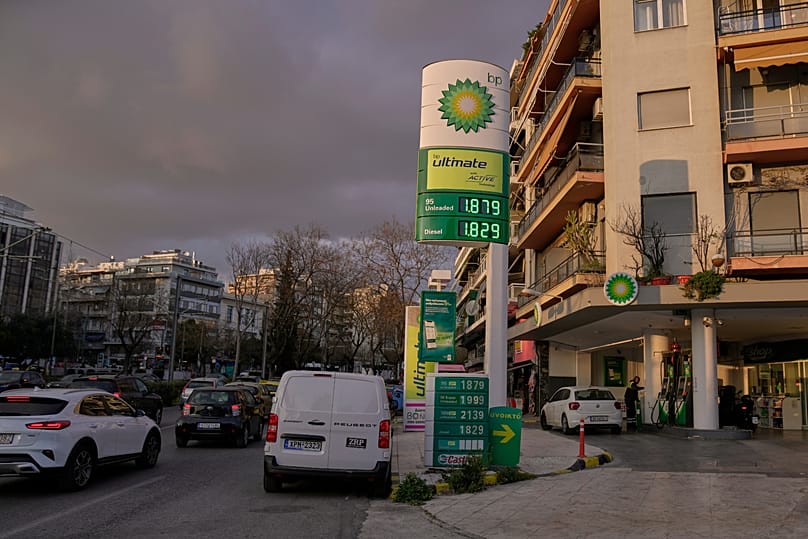
As per a study conducted by Transport and Environment, a policy organization advocating for eco-friendly transportation in Europe, drivers mightend up paying rates for gasoline last observed in 2022,when Russia’s attack on Ukraine caused turmoil in global markets and led to increased costs.
Starting from 2022, Europe has been striving to reduce its dependence on Russian oil, gas, and coal.
CREA’s study indicates that the EU continues to spend approximately €50 million daily on Russian fossil fuels, primarily natural gas transported via pipelines that are not subject to sanctions.
Nevertheless, this marks a significant decrease from 2021, when Russia provided the EU with 45% of its gas and 27% of its oil, as reported by CREA.



 jasdooit
Leave a comment