
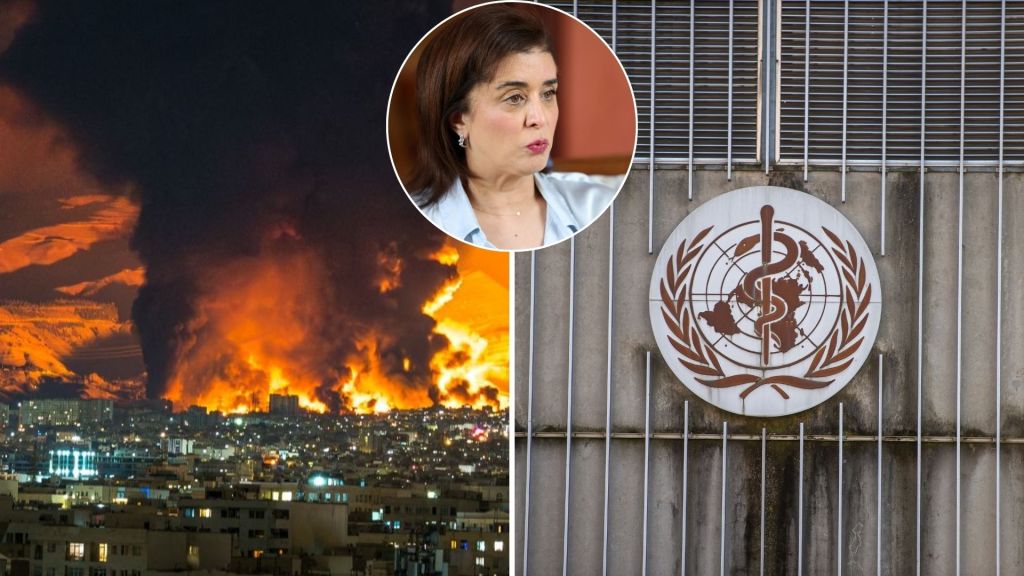
The World Health Organization is getting ready for the chance of a nuclear crisis as the conflict involving Iran escalates, increasing worries about a wider and more severe confrontation. The situation has deteriorated after multiple U.S. and Israeli attacks on Iranian land, with Tehran alleging that both nations are striking critical nuclear facilities, such as the Natanz enrichment plant. The International Atomic Energy Agency has verified that the location suffered damage from recent assaults, prompting worries about possible radioactive dangers. In this scenario, international health officials are now seriously examining situations that were previously considered mostly hypothetical.
As per officials from the World Health Organization, arrangements are being made for what is referred to as a possible nuclear or radiological emergency, indicating increasing worry that military actions might result in extensive health effects. Hanan Balkhy, WHO Regional Director for the Eastern Mediterranean, said, “We are worried about the effect of any further escalation on healthcare systems in the area,” highlighting the burden that ongoing conflict could impose on already overburdened medical facilities.
She also cautioned that “Any assault on medical facilities or essential structures can lead to serious impacts on civilian communities,” emphasizing the wider dangers associated with attacks close to vulnerable locations.

The anxieties stem from clearly recorded dangers linked to assaults on nuclear installations. Destruction of enrichment plants or storage zones might result in the emission of radioactive substances, impacting communities well beyond country limits.
Although WHO officials maintain a cautious approach in their language, their readiness framework clearly encompasses these situations. The organization has mentioned that «Preparedness for all hazards, including radiological incidents, is a fundamental aspect of our responsibility,» highlighting the importance of preparing for even rare but significant events. These issues correspond with wider expert alerts regarding the possible regional effects if nuclear-related facilities are damaged.
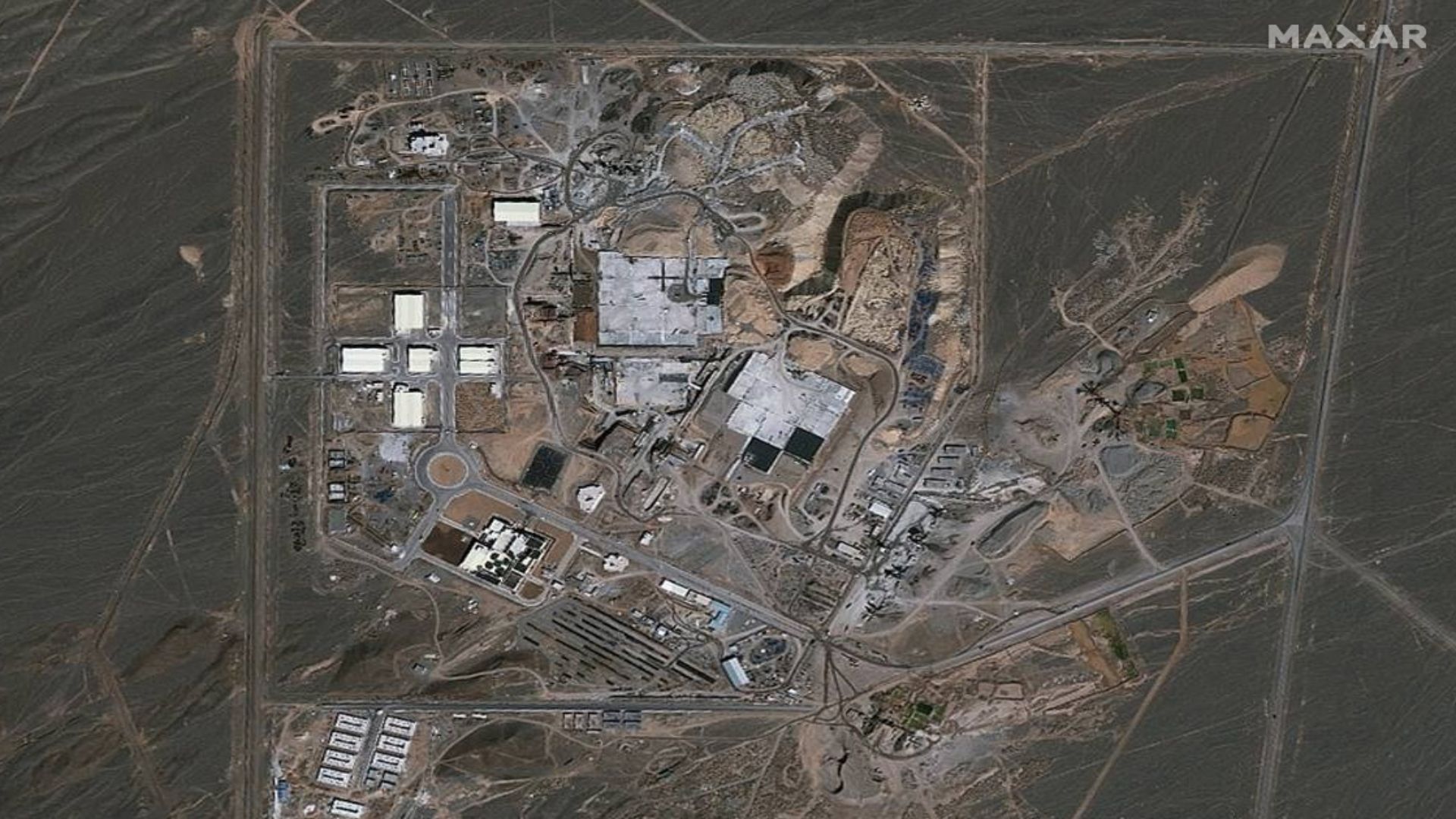
The circumstances involving Iran’s nuclear facilities introduce additional layers of complexity. Natanz, one of the nation’s main uranium enrichment centers, has been a key component of its nuclear efforts and a common target in military actions. As the ongoing conflict progresses, repeated attacks raise the possibility that essential systems might be damaged in ways that go beyond typical military harm. The World Health Organization has repeatedly highlighted the long-term effects of these dangers, stating, «The health impacts of radiation exposure can be both immediate and lasting, affecting communities for many generations,» underscoring the lasting effects of nuclear-related events.
Therefore, WHO efforts are centered on both immediate action and long-term prevention. This involves strengthening medical supply networks, guaranteeing access to therapies for radiation exposure, and working with global allies to track possible contamination.
The organization has stated that “WHO is collaborating with partners to prepare for any public health emergency,” highlighting continuous cooperation among various agencies. These actions aim to enable health systems to react swiftly in case of a radiological event, while reducing wider public health impacts.
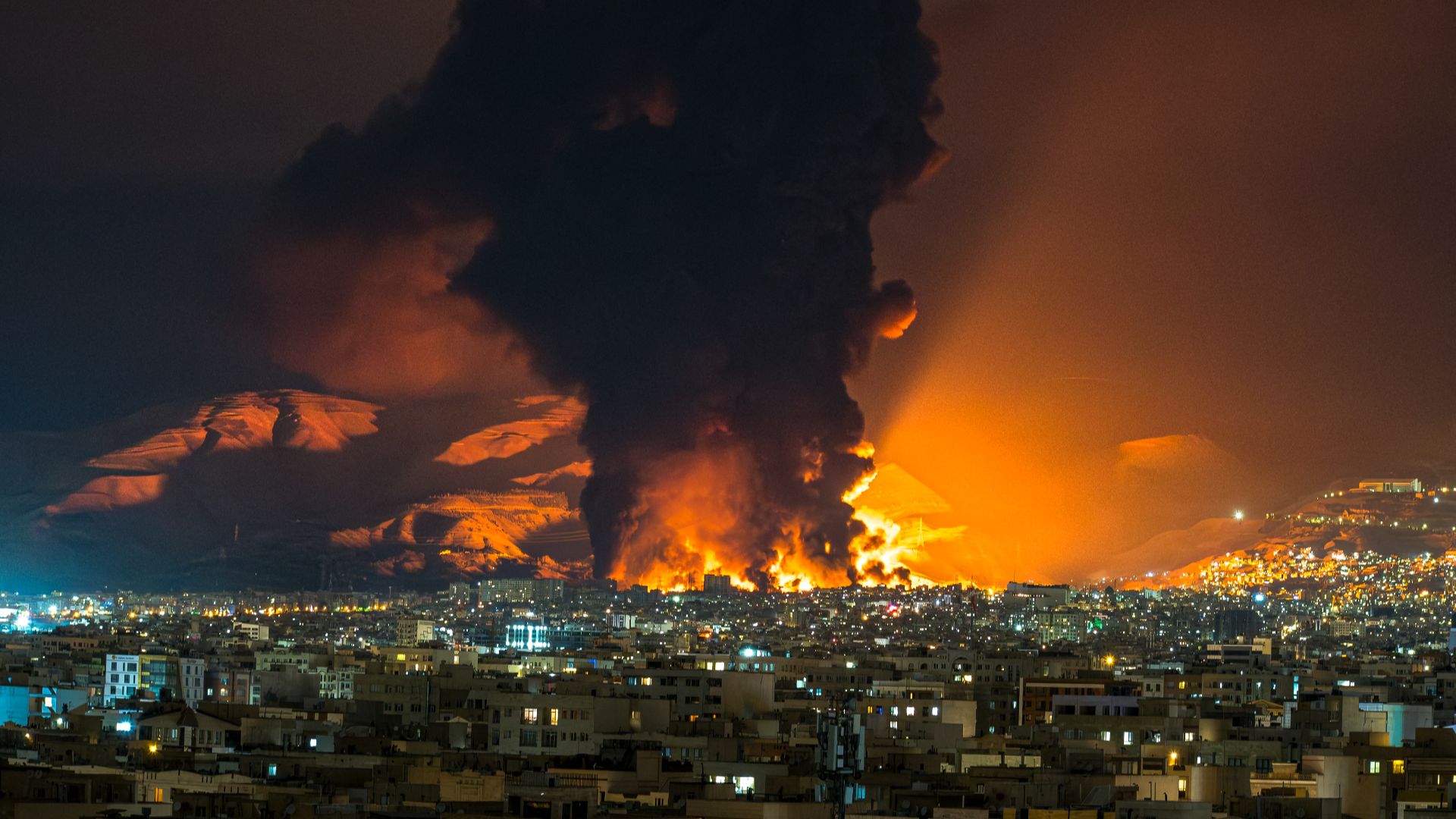
As the conflict persists, the possibility of further escalation remains a key issue for both government officials and global agencies. Although there is no evidence that a nuclear event is about to occur, the mix of continuous military attacks, compromised nuclear facilities, and rising international tensions has led to a scenario where preparing for potential outcomes is becoming more essential.
The World Health Organization’s strategy highlights a wider understanding that even a small radiological incident could lead to effects extending well beyond the combat zone, impacting millions of civilians and creating long-term strain on regional and global healthcare systems.
Made by people, with the help of artificial intelligence.

 jasdooit
Leave a comment