
It happened on the 18th. With rising tensions among the U.S., Israel, and Iran, I was interested in Japan’s reaction and viewpoint. While checking the Nikkei Shimbun on my phone during my commute, an article titled “Essential Korea-Japan Energy Collaboration” drew my attention. The piece included an interview with Ambassador Lee Hyuk, and his main statements were emphasized in the headline.
Since this was a subject I had always been interested in, I read the article all at once. During the interview, Ambassador Lee said, “South Korea and Japan need to work together in the energy field,” in reaction to Iran’s threat to shut down the Strait of Hormuz. He highlighted the importance of close communication between the two nations, stating, “We need to get ready for the Iran crisis,” and further noted, “South Korea and Japan are partners who can collaborate and support each other in the current challenging global economic situation.”
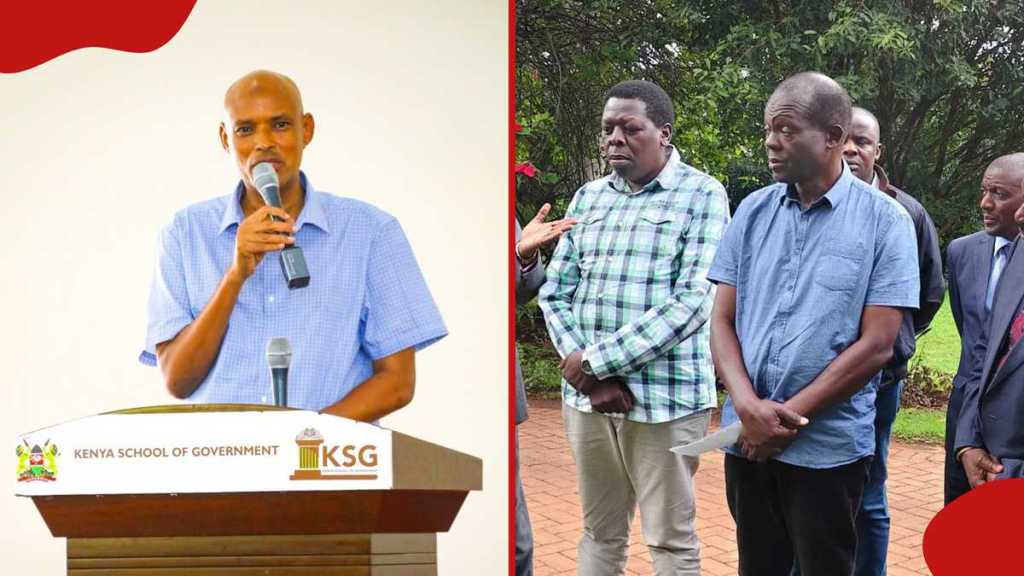
1979 Bonds: The 13th International Service Examination ‘Troika’
I think it was appropriate for the South Korean ambassador in Tokyo to emphasize collaboration between the two nations, which could otherwise end up in an “energy crisis” because of the ongoing conflict in Iran. Ambassador Lee’s comments are based on his deep experience. Prior to becoming the ambassador to Japan, he worked in Tokyo three times in roles such as secretary, counselor, and minister, and held important positions including head of the Northeast Asia Division 1 and director-general of the Asia-Pacific Bureau, making him an expert on Japan. Even after serving as a diplomatic secretary at Cheong Wa Dae, head of the Planning and Management Office, and ambassador to Vietnam, he remained involved in Japan-related matters as head of the Korea-Japan Future Forum.
Due to the delicate nature of Korea-Japan relations, Ambassador Lee’s interview with Japanese media and his promotion of bilateral collaboration could not have been made without prior consultation. It is probable that this was a “strategic statement” developed through discussions with National Security Adviser Wi Sung-lac and Foreign Minister Cho Hyun, extending beyond individual views.
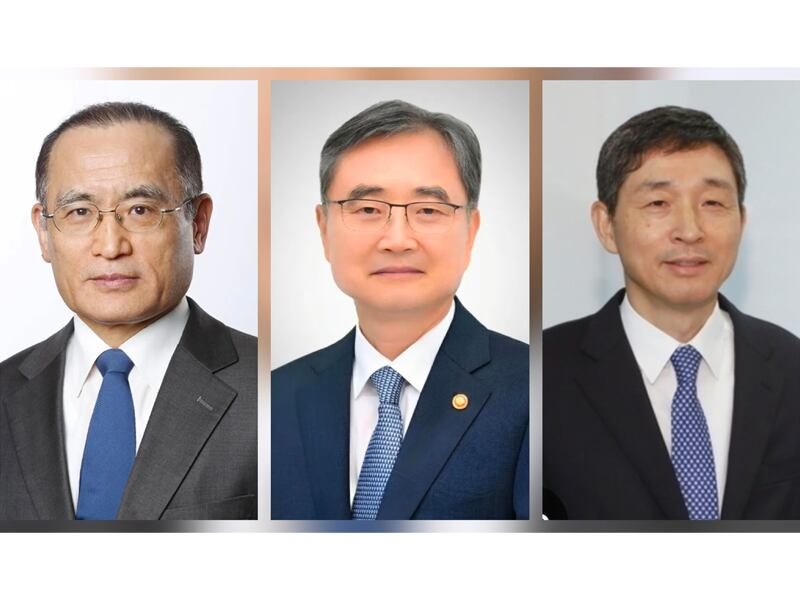
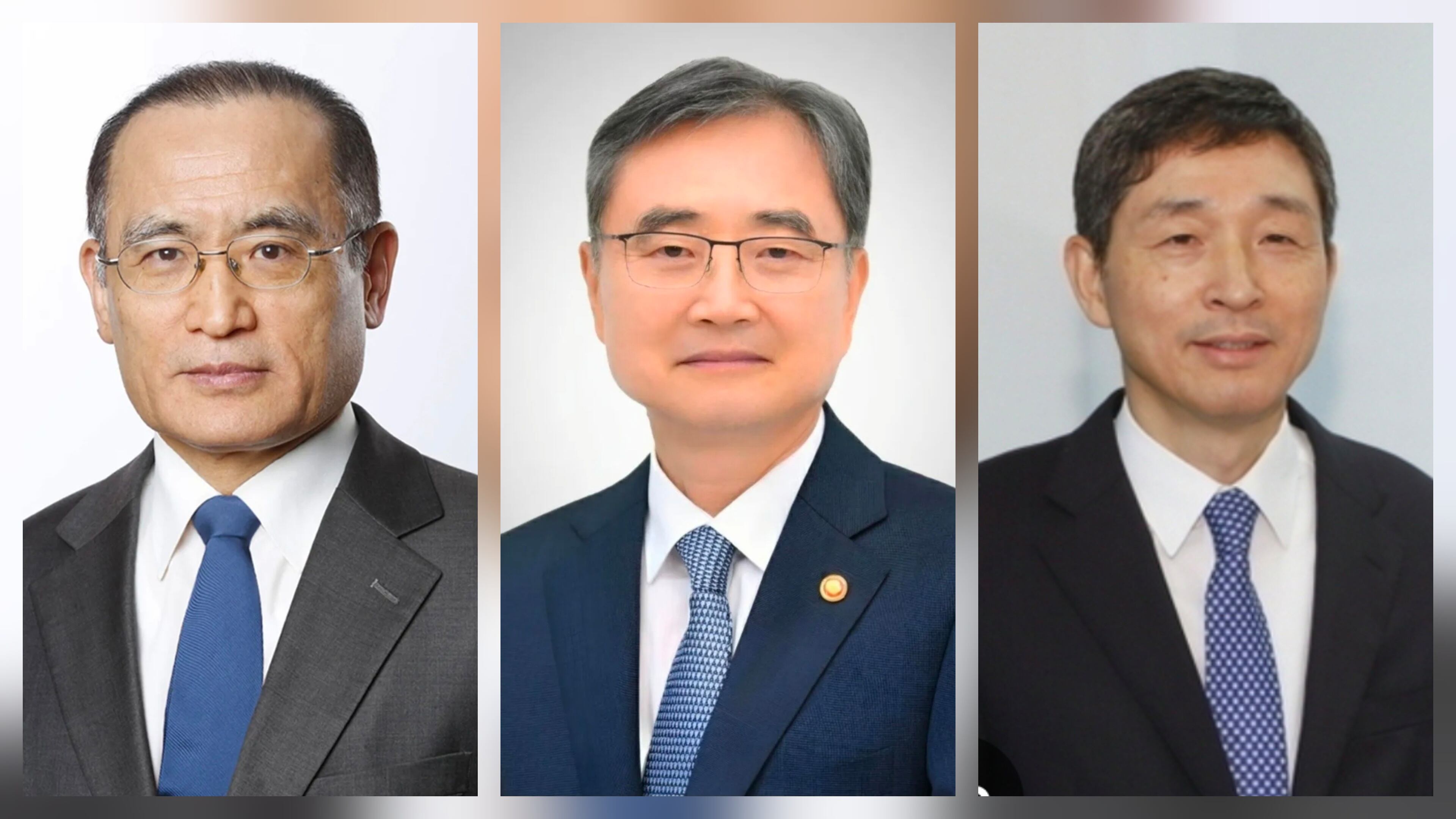
Interestingly, Ambassador Lee, National Security Adviser Wi, and Foreign Minister Cho are classmates from the 13th Foreign Service Exam held in 1979. (National Security Adviser Wi Sung-lac, from the Department of Diplomacy at Seoul National University, graduated in 1973; Foreign Minister Cho Hyun, from the Department of Political Science and International Relations at Yonsei University, graduated in 1976; and Ambassador Lee Hyuk, from the Department of Economics at Korea University, graduated in 1976. Foreign Minister Cho and Ambassador Lee passed the exam during their fourth year of study, with Ambassador Lee, born in February 1958, being the youngest to pass.) National Security Adviser Wi and Ambassador Lee developed a close relationship while working together in the diplomatic secretary office at Cheong Wa Dae during the Kim Dae-jung administration. Having grown up in Jeollabuk-do, National Security Adviser Wi and Foreign Minister Cho were high school seniors and juniors (at Namseong Middle School) with numerous shared acquaintances and a strong rapport. Among the 50 classmates from the 13th Foreign Service Exam, these three, who have maintained good relationships, played an important role in shaping the current diplomatic structure following the inauguration of the Lee Jae Myung government in June last year.
The National Security Adviser Wi is regarded as a strategic expert with deep knowledge of North Korea’s nuclear program and U.S.-South Korea alliance strategies, whereas Foreign Minister Cho has gained extensive experience in multilateral diplomacy, trade, and economic matters. While National Security Adviser Wi and Foreign Minister Cho were in the spotlight, Ambassador Lee was recognized for his behind-the-scenes support of National Security Adviser Wi, producing reports on issues related to Japan and ASEAN. This is why many were taken aback when President Lee Jae Myung appointed Ambassador Lee as the ambassador to Japan, yet those who knew his background understood the decision.
As a specialist on Japan, Ambassador Lee had been thinking about methods to keep Korea-Japan relations friendly even prior to his appointment last year. He discussed various ideas with his classmates, National Security Adviser Wi and Foreign Minister Cho, regarding how the two nations could collaborate politically and economically. The “13th Foreign Service Exam Troika” reportedly agreed that South Korea and Japan should enhance strategic cooperation during overlapping crises, including U.S.-China rivalry and Middle East dangers.
Nikkei Highlights Recent Instances of Korea-Japan Collaboration
The choice of the Nikkei to highlight Ambassador Lee’s comments is also significant. The newspaper has continuously focused on economic collaboration between the two nations, driven by the goals of Korean and Japanese business leaders. This interview probably indicates the worries of Japan’s economic community and officials. The Nikkei mentioned that the two countries have already started practical collaborative actions. On the 14th, they decided to boost cooperation in the liquefied natural gas (LNG) field, and Korea Gas Corporation and Japan’s JERA signed an agreement regarding supply collaboration, including LNG exchanges. The Ministry of Trade, Industry and Resources and Japan’s Ministry of Economy, Trade and Industry also agreed to form a supply chain collaboration partnership. In the interview, Ambassador Lee said, “The South Korean government is very interested in joining the Comprehensive and Progressive Agreement for Trans-Pacific Partnership (CPTPP) and is prepared to discuss with Japan,” indicating intentions for wider cooperation beyond energy collaboration.
Hormuz Threatens to Internally Connect South Korea and Japan
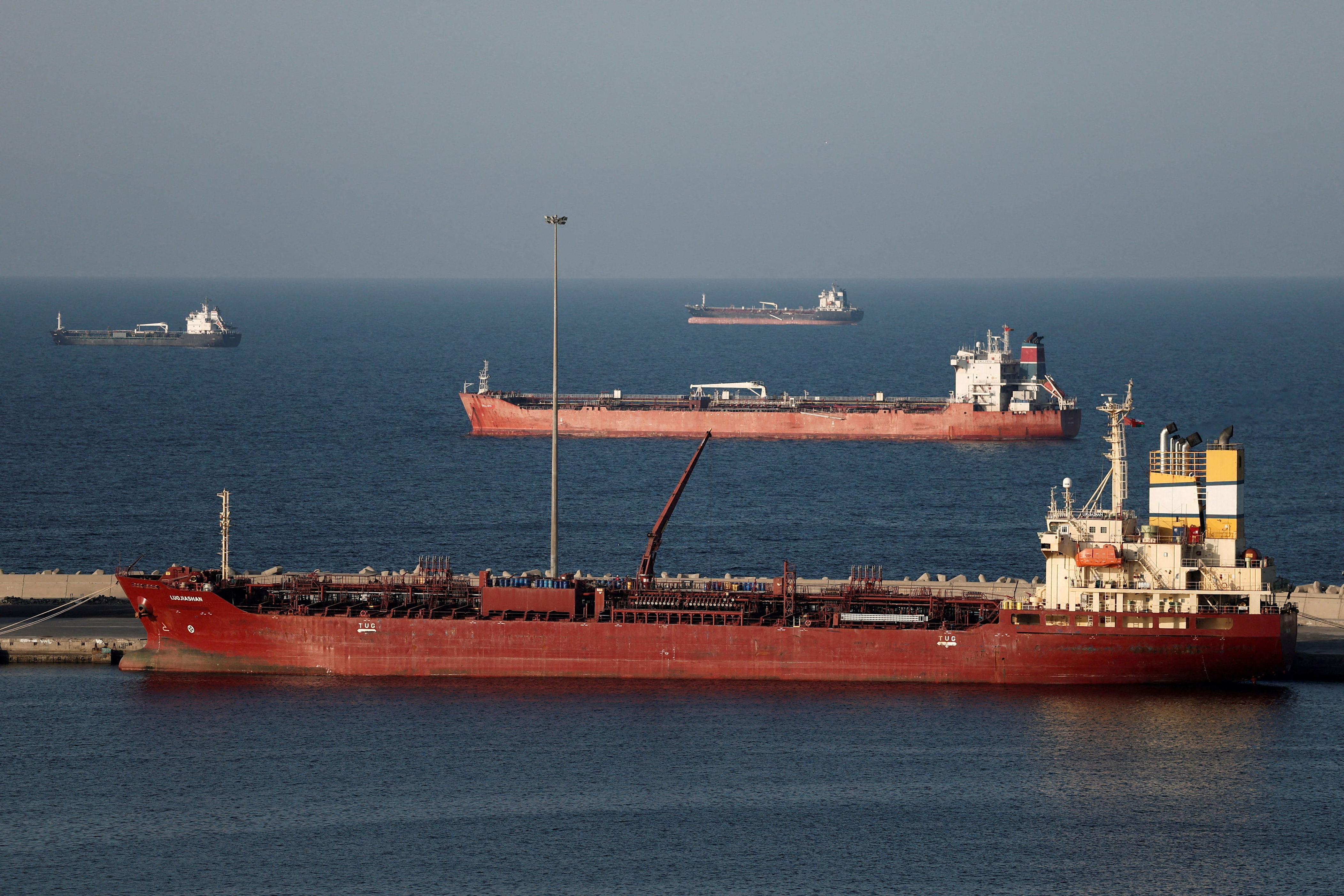
The challenges associated with the Strait of Hormuz inherently connect South Korea and Japan. South Korea depends greatly on the Middle East for its crude oil imports, with substantial amounts sourced from Saudi Arabia, the United Arab Emirates, and Kuwait. Almost all the crude oil arriving in the country goes through the Strait of Hormuz, which makes its security crucial for energy stability.
Japan also relies on the Middle East for its crude oil imports, with the majority of these shipments traveling through the same strait. Both nations are fundamentally dependent on the same maritime passage, making them susceptible to dual challenges—disruptions in supply and increases in prices—if a blockade were to occur. Chey Tae-won, chairman of the Korea Chamber of Commerce and Industry, has consistently highlighted in public remarks since 2024 that Korea-Japan collaboration should progress toward an “economic community.” Chairman Chey stated, “Although trade between the two countries has increased significantly, trade alone is not enough for mutual economic growth.” He mentioned that establishing a Korea-Japan economic community would lower social costs and economic security expenses. He further noted that this could position the region as the world’s fourth-largest economy, after the U.S., EU, and China. This highlights the understanding that the two nations must pursue cooperation at a survival level as geopolitical risks become a constant factor.
Collaboration Needs to Encompass Safety
I think collaboration between South Korea and Japan should go beyond economic ties and include the security area. The Trump administration has asked allied countries to guarantee maritime safety and provide military and financial support. In these situations, coordinated joint actions could be more efficient than separate efforts.
During the conflicts in Iraq and Afghanistan, South Korea and Japan each contributed by sending troops and providing reconstruction assistance. Drawing from this experience, if the two nations consult beforehand regarding the extent, approaches, and distribution of responsibilities in their responses, they could enhance their bargaining strength with the U.S. The establishment of strategic coordination between South Korea and Japan is seen as a feasible approach to maintain alliance dynamics while safeguarding national interests.
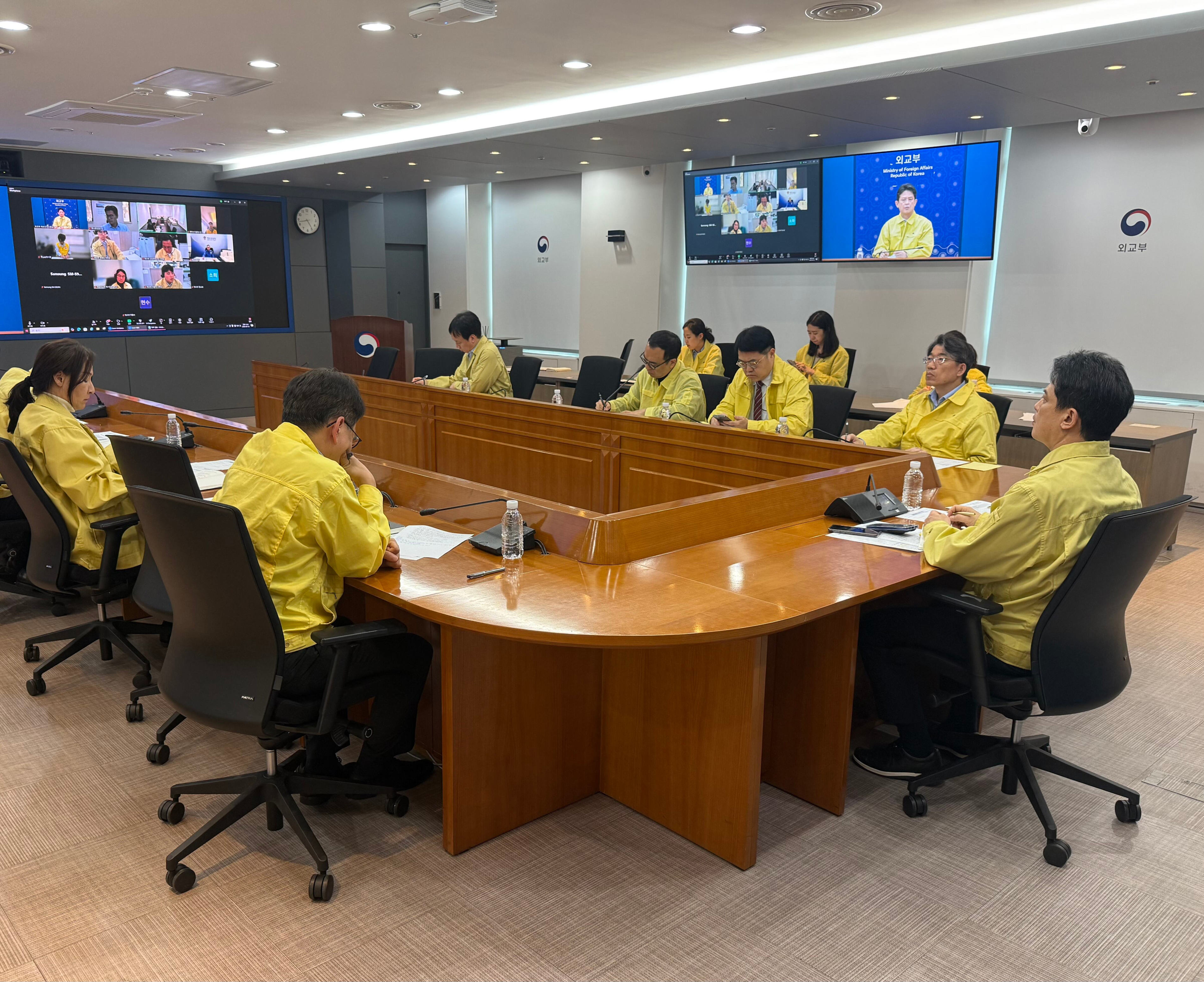
In the end, the situation in the Strait of Hormuz appears to be offering a fresh opportunity for improving ties between South Korea and Japan. It is unclear how much progress the 13th Foreign Service Exam Troika—National Security Adviser Wi Sung-lac, Foreign Minister Cho Hyun, and Ambassador Lee Hyuk—will make in talks about collaboration in energy, supply chains, security, and handling emergencies.


 jasdooit
Leave a comment