
The European Commission on Monday finalized the process to temporarily implement the Mercosur trade agreement starting May 1, which includes Argentina, Brazil, Paraguay, and Uruguay.
The action employs a unique process to make the agreement effective even though a judicial review was initiated by the European Parliament following a key vote on 21 January that halted the ratification.
The main focus at the moment is transforming this EU-Mercosur agreement into tangible results, providing EU exporters with the necessary platform to take advantage of new trade, growth, and employment opportunities,” said EU Trade Commissioner Maroš Šefčovič, who added: “Temporary implementation will enable us to start fulfilling that commitment.
The treaty facilitates trade exchanges between the EU and Mercosur nations, establishing a free-trade zone that encompasses over 700 million individuals.
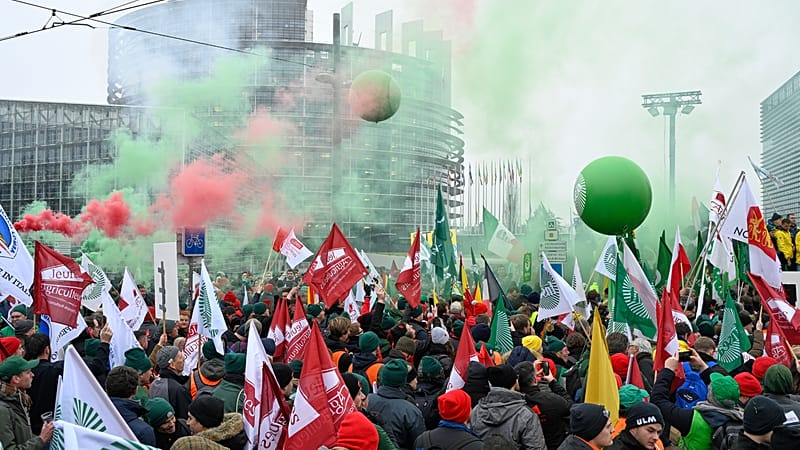
The Commission signed off the deal and obtainedbacking Despite significant resistance from EU farmers, who are concerned about unfair competition from imports coming from Mercosur.
However, within the European Parliament, critics managed to obtain a majority to send the agreement to the Court of Justice of the European Union for evaluation of its legal compliance.
Faced with pressure from supporters such as Germany and Spain, who are pushing for quicker access to new markets amid growing geopolitical economic tensions, the Commission chose to implement it provisionally.
To move forward, it needed to wait for at least one Mercosur member country to approve and inform about the agreement before starting provisional implementation with that country. Argentina, Brazil, and Uruguay have already done this, while Paraguay approved the deal last Tuesday and “is expected to submit its notification soon,” according to the Commission.
On Monday, the Commission delivered a “verbal note” to Paraguay, which serves as the legal custodian of Mercosur agreements, concluding the last procedural action.
The Commission stated, ‘Interim implementation allows for the elimination of duties on specific items from the first day, establishing clear guidelines for trade and investment.’
It will establish more robust and dependable supply chains, essential especially for the consistent flow of Critical Raw Materials.




 jasdooit
Leave a comment