
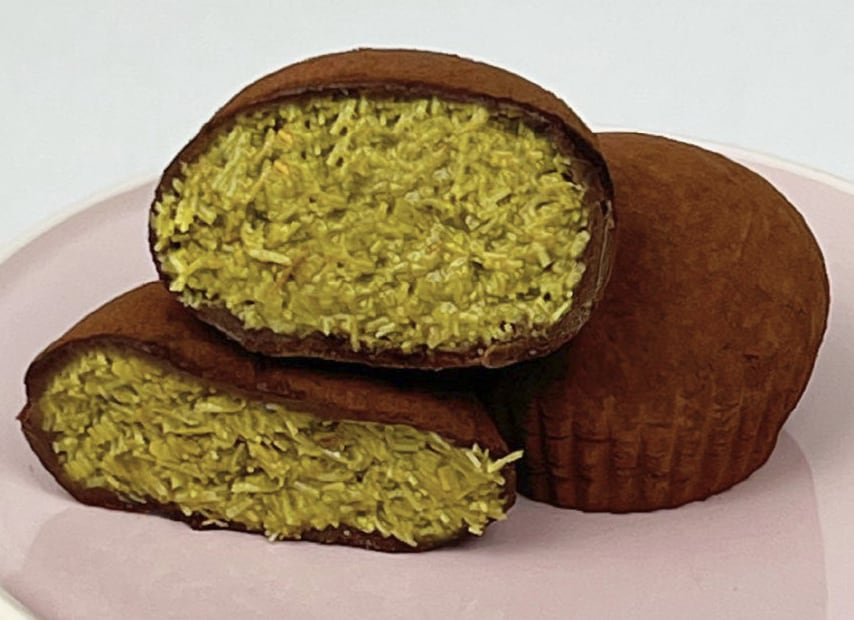
As the popularity of ‘dujjonku (Dubai Chewy Cookie)’ declined, ‘spring cabbage bibimbap’ became popular, only to be replaced by ‘butter rice cake (a dessert made by baking dough mixed with glutinous rice flour and butter).’ Every time a trend changes, it causes confusion. At the height of dujjonku’s popularity, the domestic distribution price of pistachios—a key component—increased more than five times within two months. When spring cabbage bibimbap became popular, the price of spring cabbage went up by 30%, and recently, sales of glutinous rice flour—a main ingredient for butter rice cake—at big supermarkets reportedly reached nearly twice the amount from last year. The duration of trends is becoming shorter and shorter. It is no longer surprising to wake up one day and find a different food dominating social media.
This ongoing group mentality—where public attention shifts rapidly from one area to another—arises from several interconnected causes. South Koreans’ inclination to follow the majority, social media algorithms that boost popular trends, and a marketplace that prioritizes experiences for validation all come together. Experts point to the fear of missing out, or ‘FOMO,’ as a key element. It is the drive to at least keep up with others.
The emphasis here is not on dessert trends, but rather on the psychological drive to follow others. Missing out on a dessert trend does not significantly affect one’s life. However, the fear of being left behind begins to influence major decisions. When stock markets become volatile, individuals rush to invest with borrowed funds; during real estate surges, they engage in “yeongkkul”—intense efforts to obtain loans. Parents often state that “anxiety from others doing it” is the main reason for investing heavily in private education. This psychology stems from long-standing low growth, increasing divisions, and dwindling opportunities. The pressure to “get on this train or be left behind forever” pushes people in the same direction. Only a few success stories are remembered, while numerous failures are quickly forgotten. As a result, others’ paths become seen as the right choice. Straying from this path causes fear of irreversible losses.
The issue stems from the build-up of stress and pressure within this cycle. Continuous comparisons result in fatigue, and the feeling of missing out on the ‘bandwagon’ creates frustration: “Everyone else is doing well, but not me.” The result is usually the same: quick decisions and dangerous actions lead to painful consequences. Entrepreneurs who follow trends often face unsold products and financial debt, while impulsive investments in stocks or real estate turn sour. The repercussions of blindly following the bandwagon and the eventual collapse are never minor. Repeated failures and broken trust affect not just individuals but also the broader community.
Schopenhauer once remarked, “People lose three-fourths of their true selves in the attempt to resemble others.” When the decisions of others become our standard, we stop being independent thinkers and instead become passive followers. The greater risk is not falling behind, but losing our own path while blindly following the masses. Once we lose our direction, moving ahead or going back becomes impossible. To break free from the FOMO cycle, it’s crucial to take back control over our own choices. We need the courage to keep our own pace and stay on our own course.
Nevertheless, personal determination has its boundaries. It is necessary to create a social atmosphere that shares the consequences of failure and supports various life journeys. Only in such an environment can individuals make choices based on their own accepted standards, rather than being motivated by fear.



 jasdooit
Leave a comment