
With BTS making their comeback, Seoul was filled with purple. Situated at the end of the rainbow, purple represents the enduring loyalty between BTS and their official fanbase, ARMY.
In ancient civilizations, the purple hue known as “ziseok” (紫色) was a color reserved exclusively for emperors. In the natural world, purple can be seen in rainbows, sunsets, violets, and amethysts, emitting a subtle beauty everywhere. However, creating a stable purple pigment to fix this color on objects was an exceptionally difficult task in human history. Along the ancient Mediterranean coast, secretions from murex snails were used, but even tens of thousands of snails yielded only enough dye to color a sleeve, making it more precious than gold. Because it was unattainable for commoners, purple only fueled greater desire and became the emperor’s color.
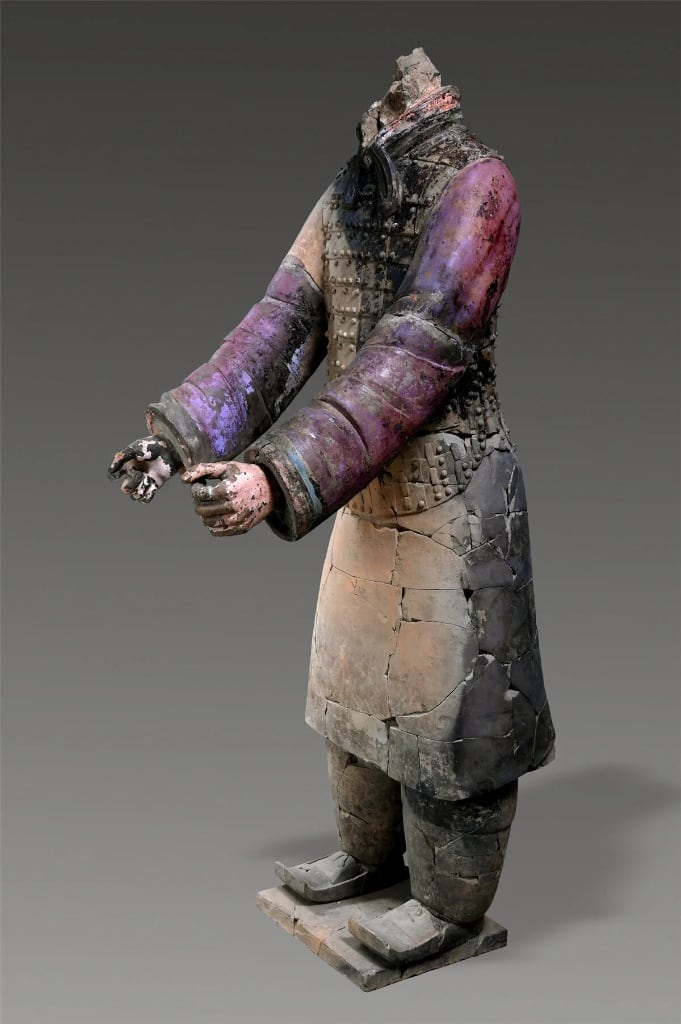
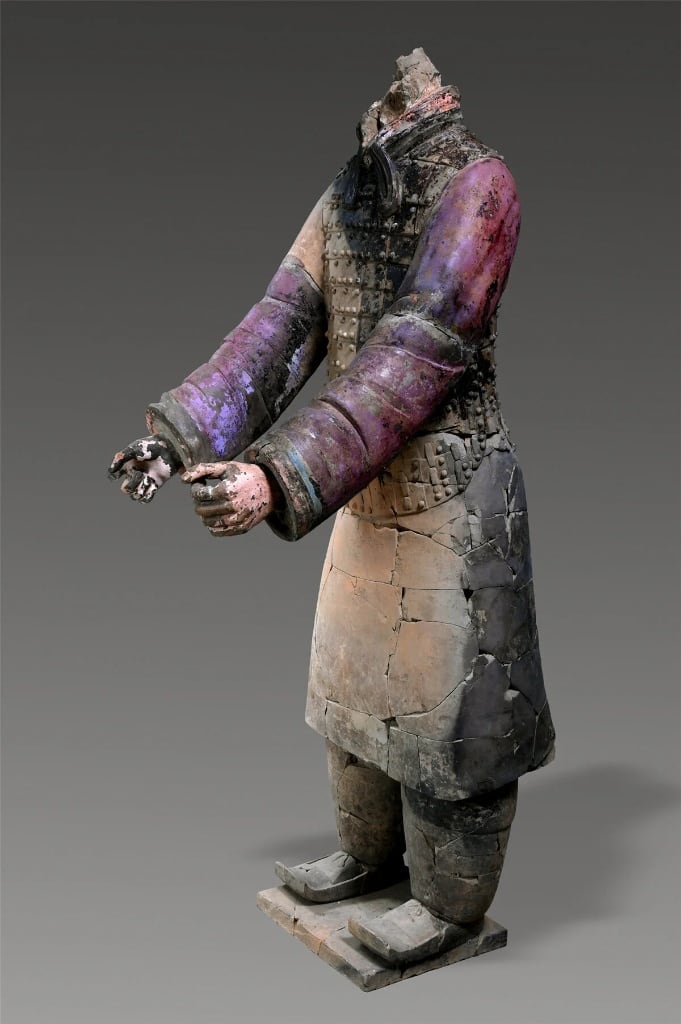
The ancient Chinese were the first to successfully create a stable purple pigment artificially. By mixing barium, copper, and sand, they fired it at over 1,000°C to produce a pigment called “Han Purple” (漢紫色). This was the culmination of highly advanced technology, so it too was reserved for emperors. Among the thousands of Terracotta Warriors arranged underground to protect the afterlife of Qin Shi Huang, who dreamed of immortality, the sleeves of the chariot warriors gleamed with brilliant purple. Initially thought to be merely earth-toned, the Terracotta Warriors were actually vividly painted, but they crumbled instantly upon exposure to air during their first excavation in the 1970s. It was not until the mid-1990s that a joint German-Chinese research team succeeded in preserving the fleeting colors, revealing the existence of Han Purple.
Initially, the color purple was associated with “ARMY.” Nevertheless, the purple of today is not a representation of authoritarian control but rather a means of connection that goes beyond boundaries and languages, enabling individuals to identify with and understand each other.


 jasdooit
Leave a comment