
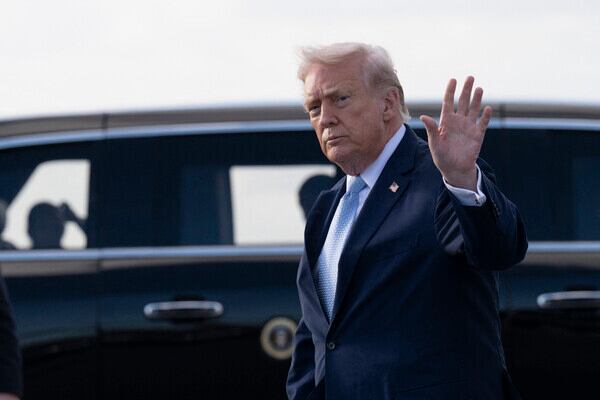
U.S. President Donald Trump revealed a delay in attacks against Iranian power plants shortly before a rise in crude oil futures trading, according to a report by the British Financial Times on the 24th. This has sparked concerns about insider trading prior to the announcement.
As reported by the FT, around 6,200 Brent crude and West Texas Intermediate (WTI) futures contracts were concluded between 6:49 a.m. and 6:50 a.m. New York time on the 23rd. The total value of these transactions amounted to $580 million (roughly 870 billion Korean won). Significantly, the trading activity for both Brent and WTI reached a peak at 6:49:33 a.m. Soon after, both the prices and trading volumes for S&P 500 index futures also increased sharply.
Fourteen minutes later, approximately at 7:04 a.m., President Trump shared on the social media site Truth Social, “We have had very good and constructive discussions over the last two days concerning a full resolution of hostile actions with Iran and in the Middle East. We will delay all military strikes on Iranian power plants and energy facilities for the next five days.”
Right after the release, oil prices dropped sharply while the S&P 500 index increased. Traders who predicted the decline and sold oil futures prior to the announcement are said to have made significant gains quickly. It is still unknown if the trading activity was initiated by one party or several.
Large-scale deals with specific timing have raised concerns about insider trading. A market analyst from a U.S. brokerage company said, “Although proving a direct link is challenging, it’s hard to ignore who sold futures aggressively 15 minutes prior to Trump’s announcement.”
A fund manager stated, “After 25 years of market experience, this scenario seems very unusual. There were no significant economic indicators or public comments from Federal Reserve officials on Monday morning. This kind of large-scale deal is rare, and someone must have gained a lot quickly.”
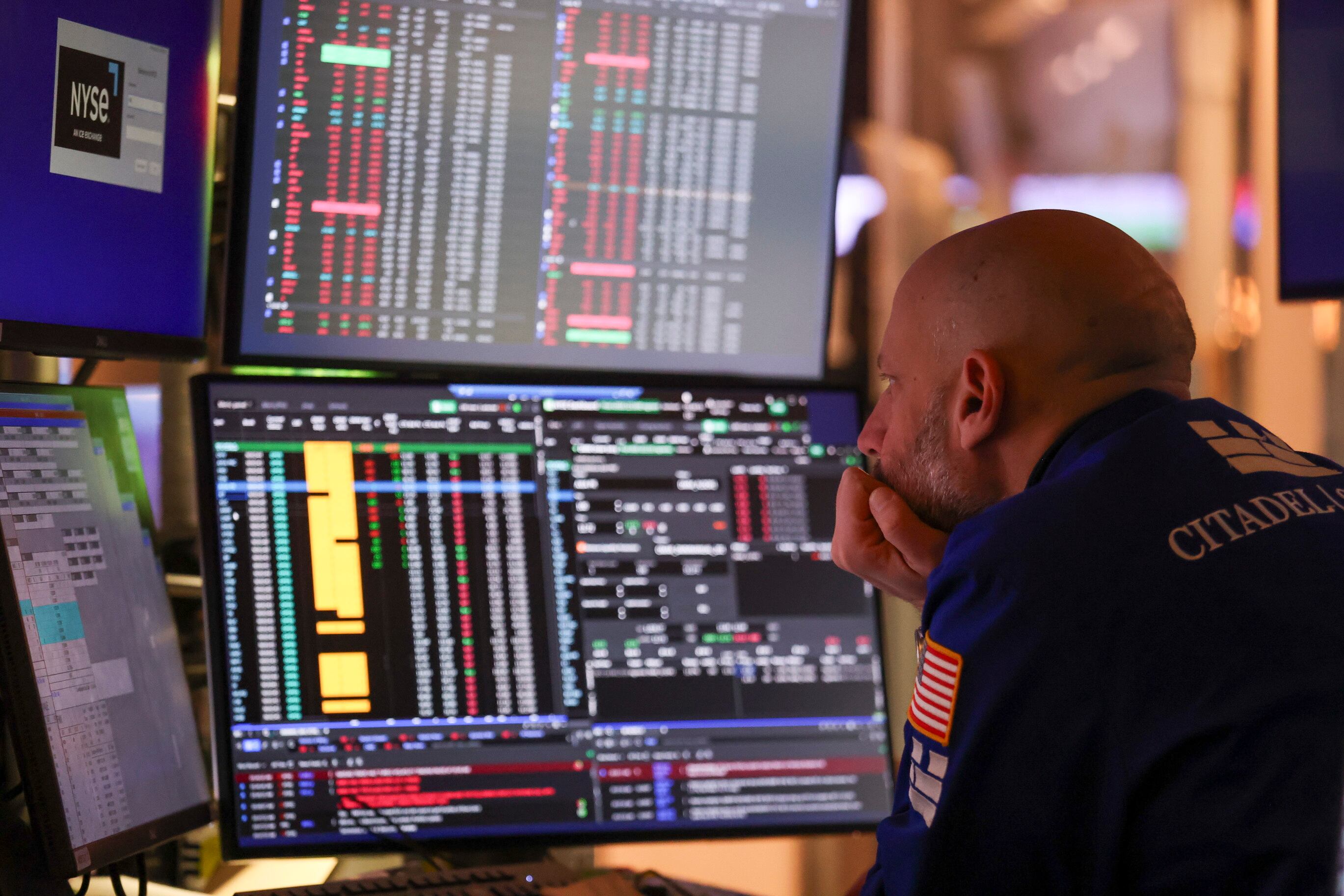
Some experts claim that the volume of these futures transactions is not exceptionally high when considering the entire market activity prior to the Iran conflict. Tim Skirrow, a derivatives analyst with Energy Aspects, a consulting company, stated, “Although trading levels were above normal for that period, they weren’t unusually significant. The strong response could have been due to the fact that many were holding long positions.” This reasoning implies that most investors had placed bets on increasing oil prices because of the war, and when a series of sell orders came in, it triggered panic selling, resulting in the price decline.
Unusual activity was also observed on online betting platforms. As reported by the British Guardian, the prediction market Polymarket experienced hundreds of thousands of dollars in wagers focused on a question: “Will a ceasefire between the U.S. and Iran be reached by March 31?” Eight new accounts placed $70,000 (about 100 million Korean won) on the ceasefire result around the 21st—two days prior to Trump’s announcement of the delay. Should a ceasefire be achieved by March 31, these accounts are expected to gain $820,000 (approximately 1.22 billion Korean won).
In response to these concerns, Kush Desai, a deputy White House spokesperson, said, “President Trump and the administration’s only priority is to support the American people. We have no tolerance for the illegal use of confidential information for personal gain, and claims about participation in such actions without proof are unfounded and reckless.”


 jasdooit
Leave a comment