
- Receive your news directly by 7am – subscribe to our new Morning Mail newsletter at no cost.
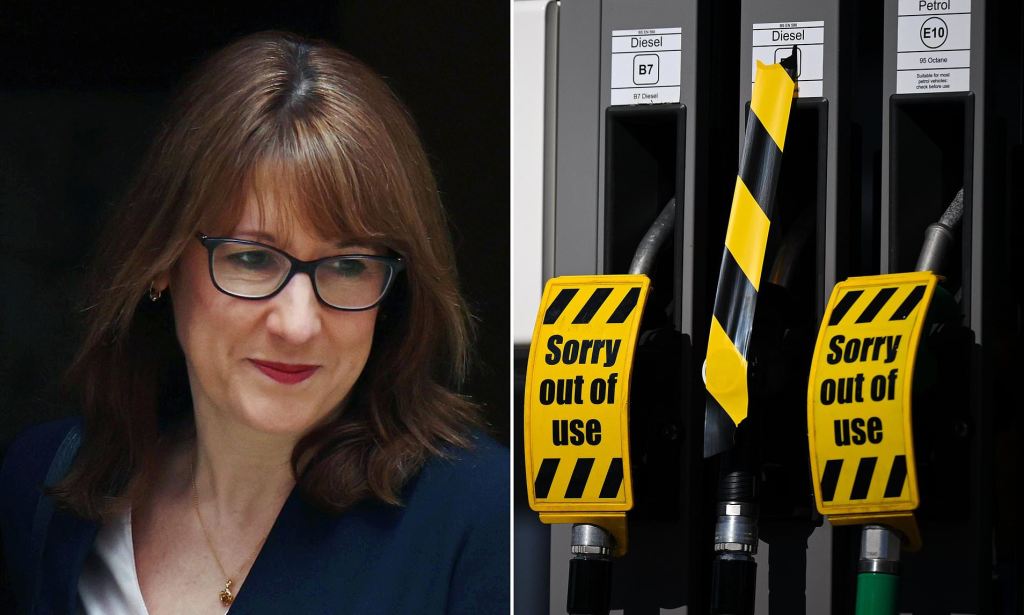
Rachel Reeveswas recently charged with taking advantage of increasing fuel costs.
The assertion emerged during a heated dispute withpetrol bosses.
Kemi Badenochwas accompanied by some of Britain’s leading business executives in criticizing the Chancellor, who is benefiting from increased tax revenues due to rising prices at the gas stations.
The head of Next, Lord Wolfson, stated that the Government should not benefit from the situation in the Middle East.
Meanwhile, M&SChief Stuart Machin attributed the rise in energy costs for companies to Labour’s environmental charges.
The wave of criticism directed at Ms. Reeves occurs while petrol station owners are in conflict withDowning Street.
Both Keir Starmer and his Chancellor have frequently claimed that retailers are taking advantage of the conflict in Iran.
However, companies have claimed that the Government is the one benefiting financially since it gains more income from VAT and fuel tax when prices rise.
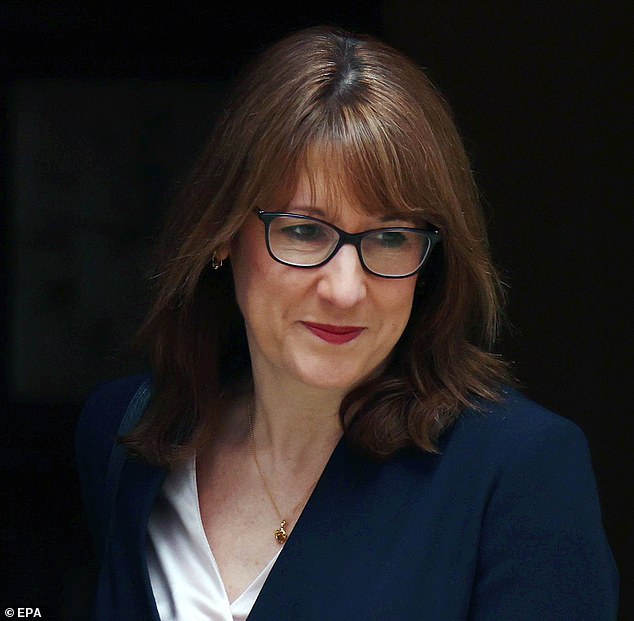
Lord Wolfson stated, “I believe a fair request from our sector—and indeed all sectors—is that the Government should not benefit from it.”
That would be a sensible request to present to the Government: ‘Do not actually generate more revenue from this than initially anticipated.’
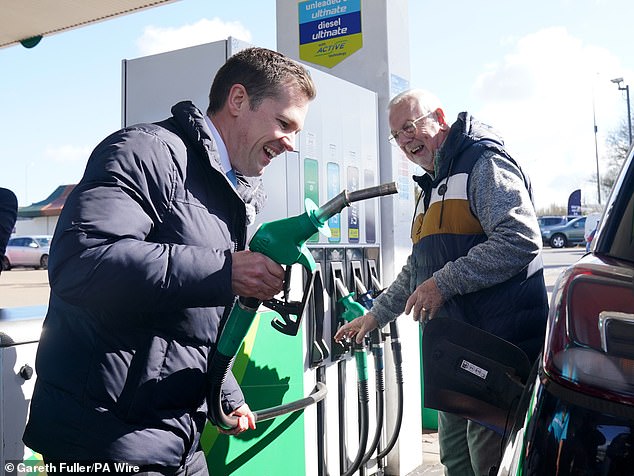
Following her arrival at an event in a Fuel Britannia-labeled truck to draw attention to the challenges faced by households dealing with increased expenses, Mrs Badenoch urged Labour to issue an apology after it was revealed that there was little proof that fuel companies had been charging unfairly – a practice known as overcharging for goods that are in limited supply or high demand.
She mentioned that the forecourt managers were “working hard, rising early. They are being taxed excessively.”
They are being held responsible for increases in fuel duty prices. In reality, it’s Rachel Reeves who is engaging in price manipulation.
Ministers accused fuel companies of exploiting the situation – even bringing executives and energy providers to Downing Street to urge them not to let motorists pay ‘excessively’ as tensions with Iran escalate.
Fuel suppliers withdrew from the initial gathering due to the aggressive tone from Whitehall, but were persuaded to return at the last moment.
The RAC reports that retailers currently make a six percent profit on each liter of gasoline.
However, the fuel tax remains set at 52.95 pence per liter, and a 20 percent value-added tax rate causes the government’s revenue to rise as prices increase.
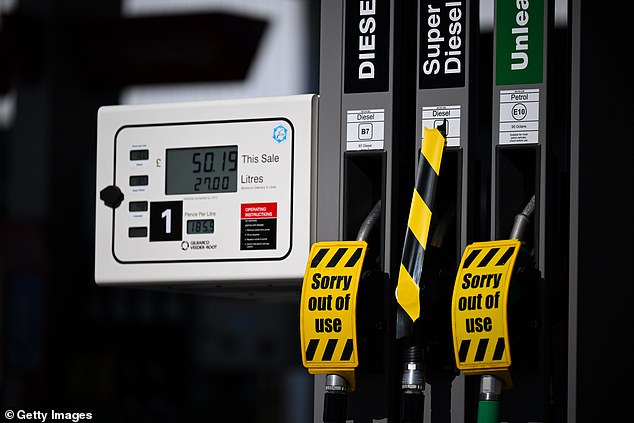
Following the start of the conflict, fuel prices have increased by approximately 15p per litre for gasoline and 30p per litre for diesel – leading to an additional cost of over £300 million for UK drivers, as reported by a study this week.
With the nation grappling with rising living expenses, the Government has encountered demands to halt a planned 5p rise in fuel tax.
It will increase by 1p in September, 2p in December, and an additional 2p in March 2027.
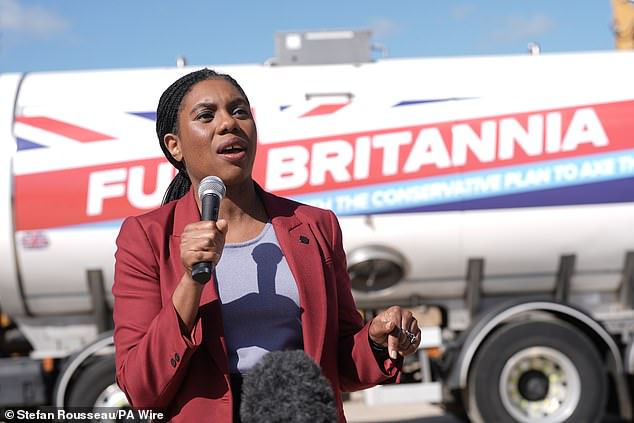
But as Labour remains unwilling to undo the reduction, the Conservative leader criticized Labour for pushing forward with ‘initiatives that failed’.
At a building site in West London, Mrs Badenoch stated that Labour’s strategy was “making homes, families, and companies poorer.”
She stated: ‘It’s time to eliminate the foolish increase in fuel duty that Rachel Reeves is imposing. It’s time to revive Britain’s productivity.’
This week, ministers stated that drivers do not need to alter their driving behaviors, and the Government confirmed it is ‘definitely not’ considering power cuts or fuel restrictions.
However, former BP executive Nick Butler cautioned that the UK might experience oil and gas shortages within two to three weeks.
A Tesco Superstore in Worcester ran out of fuel yesterday.
Ms. Reeves encountered increased pressure from Reform yesterday, as treasury representative Robert Jenrick urged her to reduce VAT on gasoline by half for three months.
He stated, “She is generating tens of millions of pounds weekly in additional tax income because of the conflict; the minimum she could do is ease the impact.”
And the head of Marks & Spencer criticized the Government for imposing taxes on energy bills that “have no connection to the cost of oil or gas.”
Stuart Machin criticized green charges – which now account for over half of the retailer’s energy expenses – as ‘simply not viable’.
“Over the past few years, the ‘policy costs’ on our energy bill have sharply increased,” Mr. Machin wrote on LinkedIn.
He also criticized Labour’s tax policies affecting employment, stating they were “hurting a generation of young people.”
A representative from the Treasury stated, “We acted specifically to stop businesses taking advantage of this crisis—and if they do, we will take strict measures—since Labour stands with the working class.”


 jasdooit
Leave a comment