
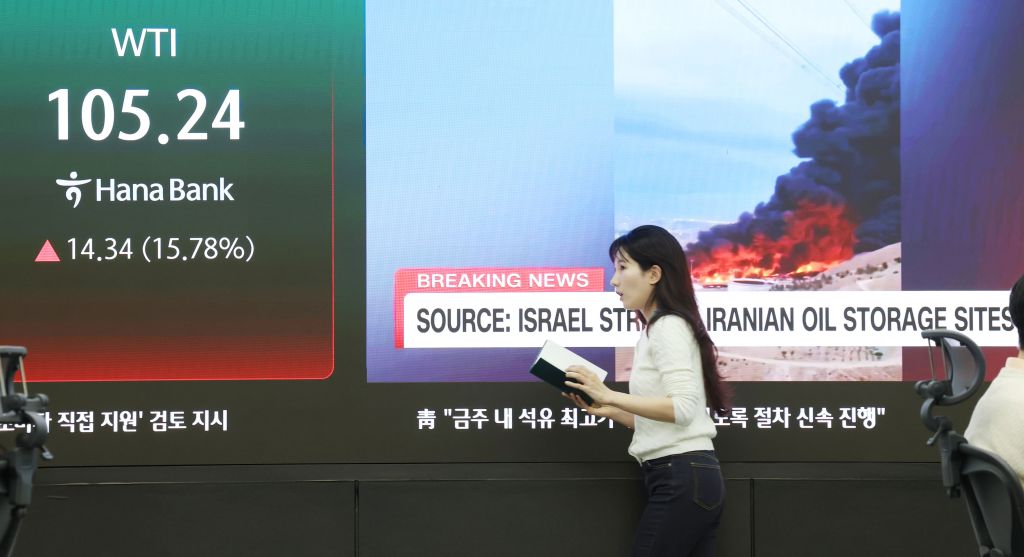
One month following the conflict between the U.S., Israel, and Iran that began on the 28th of last month, South Korea’s stock market has experienced a major upheaval. Foreign investors, alarmed by geopolitical uncertainties and a rapid increase in exchange rates, initiated the most significant sell-off in history. At the same time, retail investors took in this surge of shares, making every effort to protect the index. Interestingly, Samsung Electronics, a leading semiconductor company, witnessed its foreign ownership percentage drop to a 12-year and 6-month low, further impacted by challenges in AI-related areas. While traditional sectors such as automobiles and shipbuilding struggled, defense stocks became new growth engines, altering the rankings of market capitalization.
◇KOSPI Falls 12% in One Month: Foreign Investors Sell 30 Trillion Won, Retail Investors Buy 30 Trillion Won
As per the Korea Exchange, foreign investors sold a net 30.263 trillion South Korean won in KOSPI shares between the 3rd and 27th of this month—the highest monthly outflow ever recorded. In the same timeframe, retail investors bought a net 30.688 trillion South Korean won, completely countering the foreign selling and also establishing a new record for monthly net buying. The KOSPI index dropped 12.55%, marking the biggest decline among major global markets.
The significant foreign sell-off primarily targeted Samsung Electronics. Foreign investors offloaded shares valued at 15.4961 trillion Korean won this month—accounting for half of the overall KOSPI net-sell volume. As a result, the foreign ownership percentage of Samsung dropped to 48.9%, the lowest level since October 1, 2013 (48.87%). The 50% threshold, which indicates control over voting rights, fell below the mark less than a month after the 49% level was also surpassed.
The outflow of foreign capital was caused by increased risk aversion triggered by the Middle East conflict, rising global oil prices, and a significant increase in the won-to-dollar exchange rate. Furthermore, Google’s introduction of “TurboQuant” technology—which has the potential to cut AI memory consumption by as much as six times—dealt a direct setback by sparking worries about declining semiconductor demand.
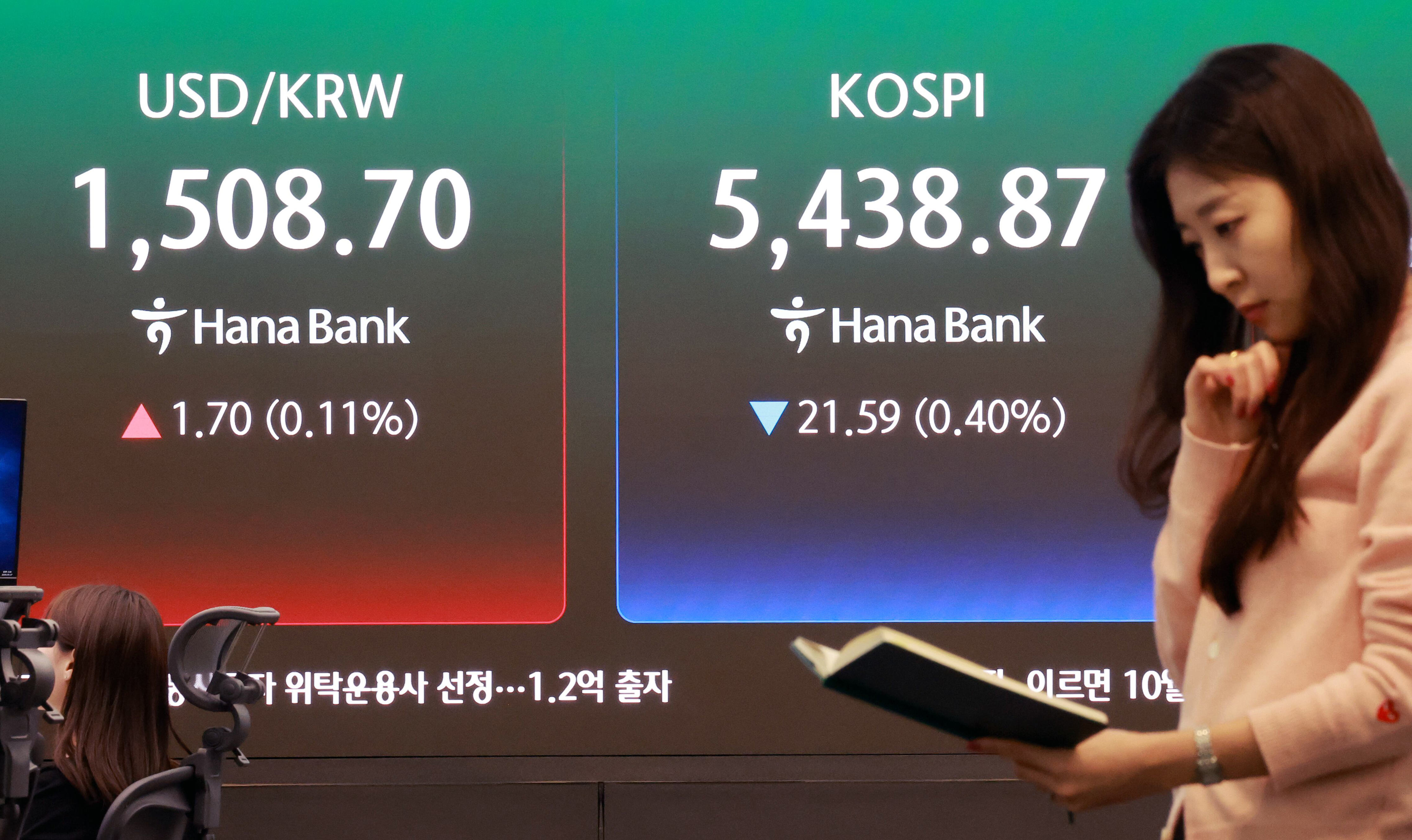
◇Military Stocks Rise While Automobiles and Shipbuilding Decline
Escalating military tensions in the Middle East caused a major transformation in the top market capitalizations of the KOSPI. The defense industry emerged as the primary winner. Hanwha Aerospace, which was the most purchased stock by foreign investors this month (232.6 billion South Korean won), experienced an 11.7% increase in its market value, rising from 6.1618 trillion South Korean won on the 27th of last month to 6.88371 trillion South Korean won on the 27th of this month. Its position moved up from 10th to 7th. Other significant defense stocks such as LIG Nex1 (up 44.4%) and Hanwha Systems (up 9.2%) also saw substantial gains.
On the other hand, traditional leaders that relied heavily on exports faced difficulties because of high exchange rates and rising oil prices. Hyundai Motor, which had a strong start to the year, experienced a 26% decline in its market value, dropping from 13.8067 trillion Korean won to 10.1355 trillion Korean won during the first month of the war. Kia and HD Hyundai Heavy Industries also witnessed their market values decrease by 24.2% and 17.3%, respectively, causing them to drop two positions each in rankings to 9th and 11th. Worries about naphtha supply issues linked to the Middle East affected these sectors. A representative from Shinhan Securities mentioned, “After the war, foreign investors decreased their investments in semiconductors and automobiles, which had high liquidity and played a major role in index growth. The main issue now is whether risks in the Middle East will result in actual performance declines.”


 jasdooit
Leave a comment