
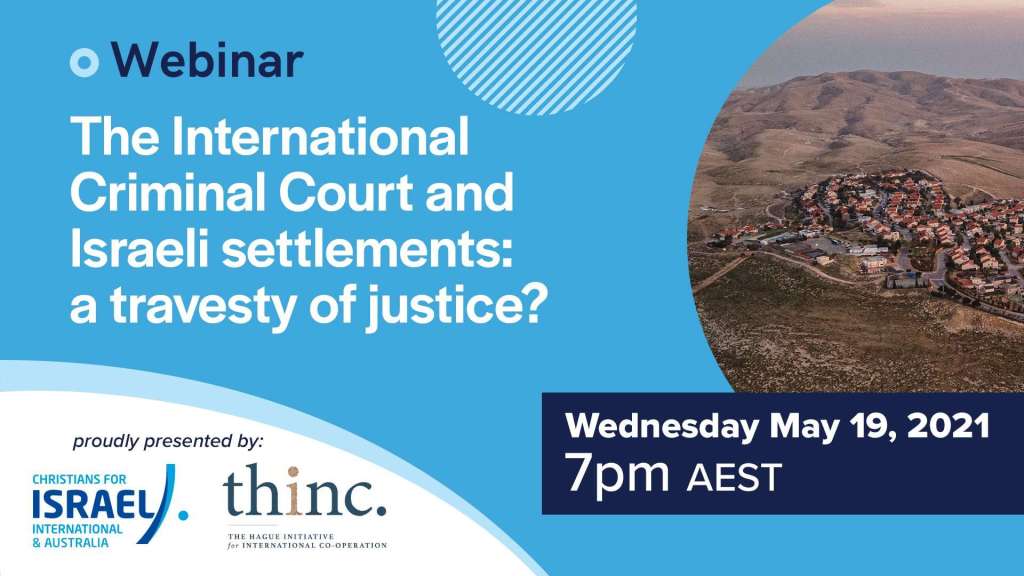
The Islamabad-based Institute of Regional Studies (IRS) organized a specialist online seminar with Dr. Feras Qawasmeh, an Assistant Professor of Public Policy at the Joaan Bin Jassim Academy for Defence Studies in Qatar, focusing on the topic ‘A Unified Approach to Combat Illegal Settlement Expansion: The Role of the Organisation of Islamic Cooperation.’
The conversation centered on the evolving trends of Israel’s expanding illegal settlements in the occupied West Bank, as well as the importance of the collective agreement among Pakistan and its OIC allies during the recent special open-ended ministerial meeting, according to a press statement released on Saturday. Dr. Qawasmeh emphasized the need for enhanced regional diplomacy to support grassroots initiatives—such as those led by Palestinians opposing settlement growth. The discussion highlighted that Pakistan has consistently supported the two-state solution, the protection of Palestinian rights, and a firm position against any unlawful aggression or violence that endangers Palestinian statehood. Acknowledging the role of the OIC in driving meaningful progress, Dr. Qawasmeh stressed the importance of Muslim-majority nations uniting in opposition to settlement expansion. His speech emphasized the necessity for countries to address complex challenges that hinder adequate international attention to the growing settlement issue, taking into account the ongoing arson attacks and obstacles to daily life.
His speech contributed significant value by highlighting the role of key movements, such as the Boycott, Divestment and Sanctions (BDS), in bringing international attention and scrutiny to the settlement issue. These perspectives were part of policy suggestions, including a structured pathway for Palestinian rights activists and organized groups to gain support from Pakistan and major Gulf partners within the OIC, in order to collectively build consensus against any forced annexation through grassroots advocacy. Hannan Hussain, head of the West Asia Program at the Institute, noted that the talk offered a detailed analysis of the current conditions on the ground in the occupied West Bank, where increasing tensions between local populations and those instigating violence require considerable focus. Key reference points included the long-term impact of the Oslo Accords, which have resulted in a geographical change regarding security measures and political freedoms available to Palestinians today, and how these aspects of control continue to move against them as settlement expansion progresses.
These relationships—largely overlooked in official discussions about the occupied West Bank—mirror Pakistan’s firm stance on stopping settler violence and the expansion of unlawful settlements, as global focus shifts to conflicts in the Middle East. Strong evidence supporting Pakistan’s position includes its recent concern raised at the UN Security Council, where backing for Palestinian rights—and a halt to Israel’s troubling settlement growth—was clearly supported. The discussion ended with an interactive Q and A session, featuring detailed analysis of the challenges and possibilities confronting major regional actors in enhancing Palestinian freedoms, signaling a departure from possible deepening of the occupation—consistent with international law and the direction of the OIC.
Provided by SyndiGate Media Inc.Syndigate.info).


 jasdooit
Leave a comment