
After five weeks of intense military operations by the U.S. and Israel against Iranian facilities, a U.S. intelligence report has shown that Iran continues to possess roughly half of its missile launchers and thousands of combat drones. This directly challenges the public assertions made by U.S. President Donald Trump and high-ranking officials in the administration, who had stated that Iran’s military strength had been almost completely destroyed.
Referencing government sources familiar with the newly released U.S. intelligence evaluation, CNN reported on the 2nd that approximately 50% of Iran’s missile launchers and drone systems are still operational. An official cautioned that Iran “remains capable of causing total disorder throughout the region.”
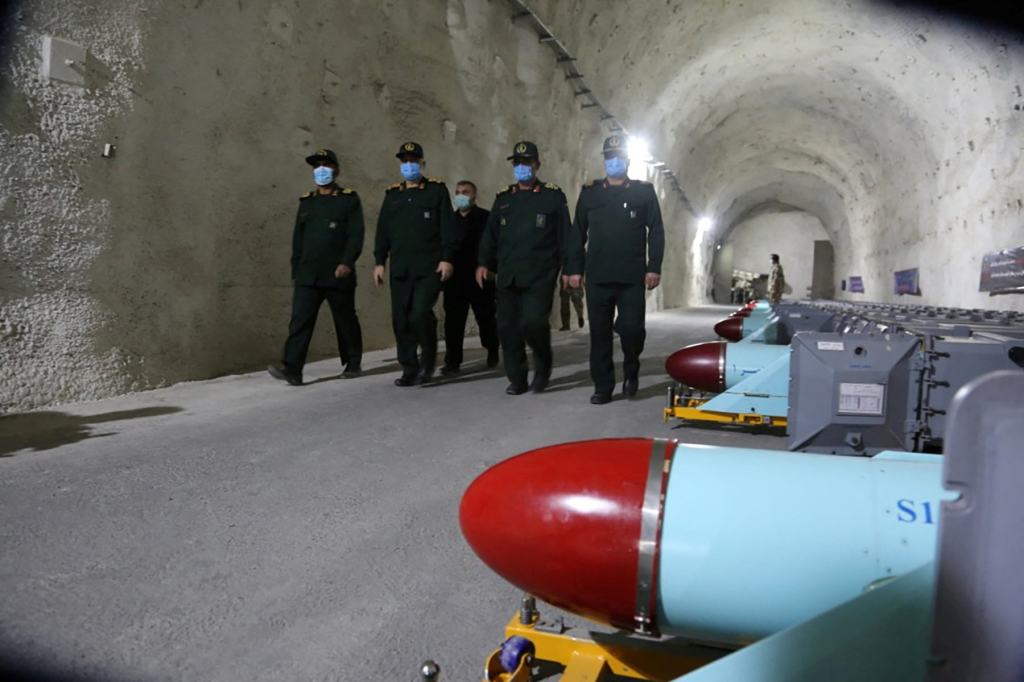
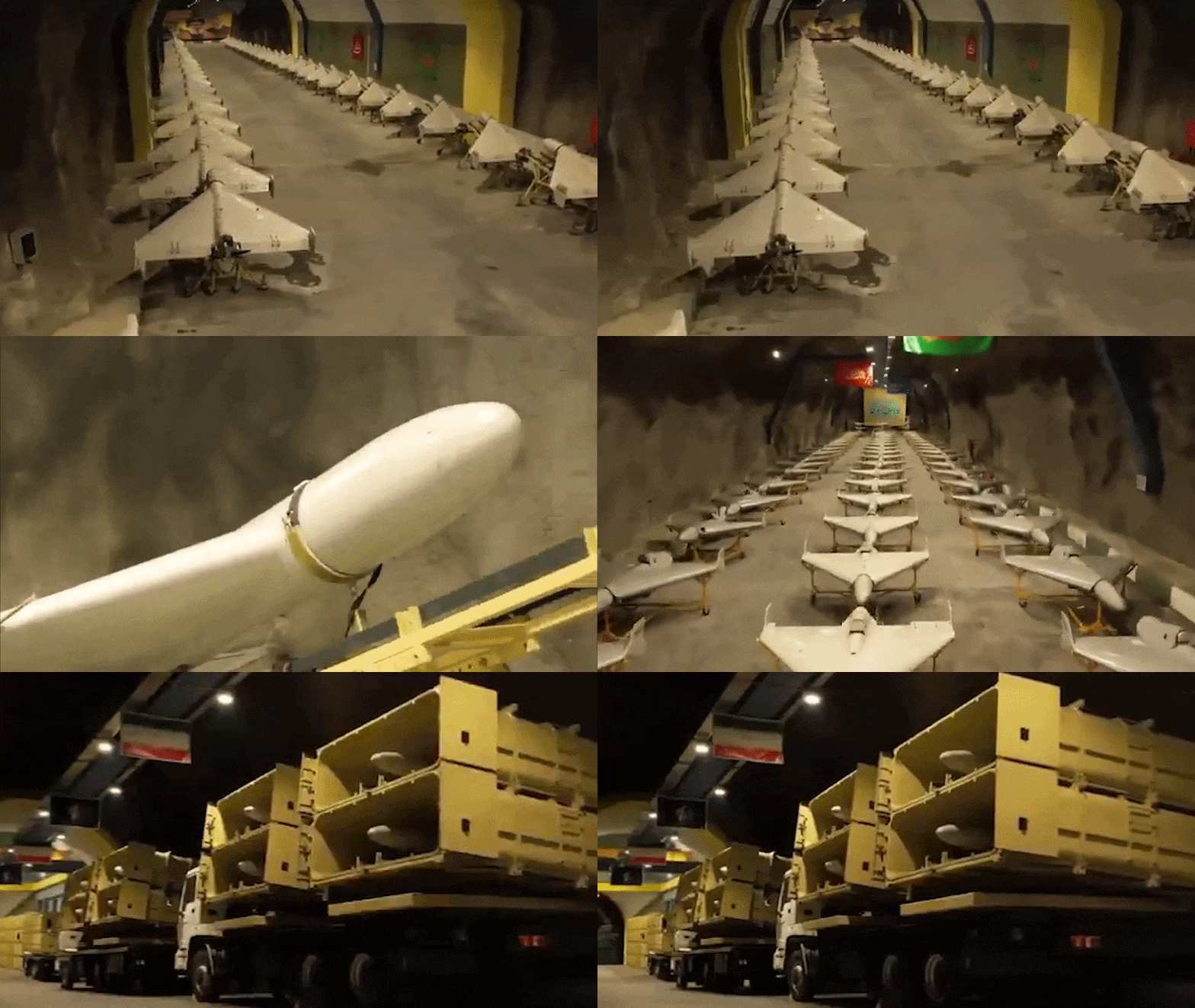
The main factor behind Iran’s military equipment remaining mostly undamaged is their “underground” approach. Over many years, Iran has concealed launchers within a vast system of tunnels and caverns in anticipation of American air strikes. Moreover, they have effectively used methods of quickly moving to caves following launches, making it harder to track them. Although Israeli defense officials believe the number of operational launchers is around 20–25%, not counting those that are unreachable or buried, this number is still seen as a significant risk.
This analysis of intelligence sharply differs from the official position of the U.S. government. As per the U.S. Central Command, the U.S. has hit more than 12,300 targets inside Iran so far. On the 1st, U.S. President Donald Trump made a live national speech since the conflict with Iran began, stating that Iran’s weapon factories and rocket launchers “have been destroyed with almost nothing left.” Defense Minister Pete Hegseth also noted that Iran’s ballistic missile and drone attacks have dropped by 90% compared to the initial phase of the war.
Nevertheless, it has been noted that the U.S. concentrated on eliminating Iran’s land-based weapons that could directly target allies, rather than its naval military facilities. As a result, many of Iran’s coastal defense cruise missiles, which pose a risk to the Hormuz Strait, are believed to still be undamaged.
Although Iran’s conventional navy has suffered considerable damage, the navy affiliated with the Islamic Revolutionary Guard Corps (IRGC), which has mainly targeted ships in the Strait of Hormuz, continues to have half of its forces intact, including hundreds to thousands of small boats and unmanned surface vessels (USVs). This has created a sense of concern in the U.S. that the reopening of the Strait of Hormuz, a vital waterway, cannot be assured before the conflict concludes. While Trump recently proposed a timeline for ending the war of “within 2–3 weeks,” there are opposing views suggesting this objective is impractical considering the extent of weapons Iran still possesses.



 jasdooit
Leave a comment