
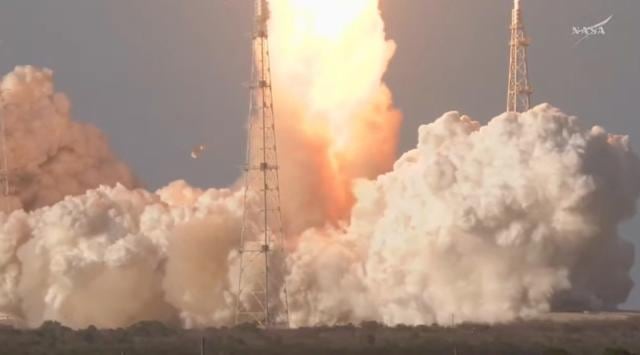
The U.S. space agency NASA’s rocket ‘Artemis II’ was successfully launched on the 1st (local time). It transported four astronauts to the Moon for the first time in 50 years, drawing worldwide attention and admiration. Nevertheless, there were also criticisms about unfulfilled expectations—particularly concerning the live coverage of the launch.
On the day of the launch, NASA offered live coverage, but dense smoke blocked the view of the rocket shortly after it took off, and delays in switching cameras made some important moments go unseen. At one moment, a black screen was shown instead of the rocket rising. NASA had previously stated that they would broadcast the Artemis II mission entirely on YouTube, including live video from the ‘Orion’ crew capsule, which transports astronauts close to the Moon. However, the agency mentioned that “the image quality could decrease because of the distance and data transmission problems.”
These transmissions were likened to Elon Musk’s space firm SpaceX, which initiated its initial public offering (IPO) procedure on the same day.
SpaceX conducted around 170 rocket launches throughout the previous year, featuring orbital missions of the ‘Falcon 9’ reusable rocket and trial flights of the ‘Starship.’ The company is well-known for its top-notch launch broadcasts, which match its frequent launch schedule. SpaceX begins by streaming video from cameras on the ground, then transitions to onboard cameras installed on the rocket during crucial moments. This enables spectators to observe each phase—like the first-stage separation, second-stage ignition, and engine operations—as though they are traveling with the rocket.
Furthermore, the screen presents live information such as the rocket’s velocity, height, leftover fuel, and mission schedule, allowing observers to monitor developments. Even when issues occur, like launch cancellations or in-flight explosions, SpaceX often shares raw video clips.
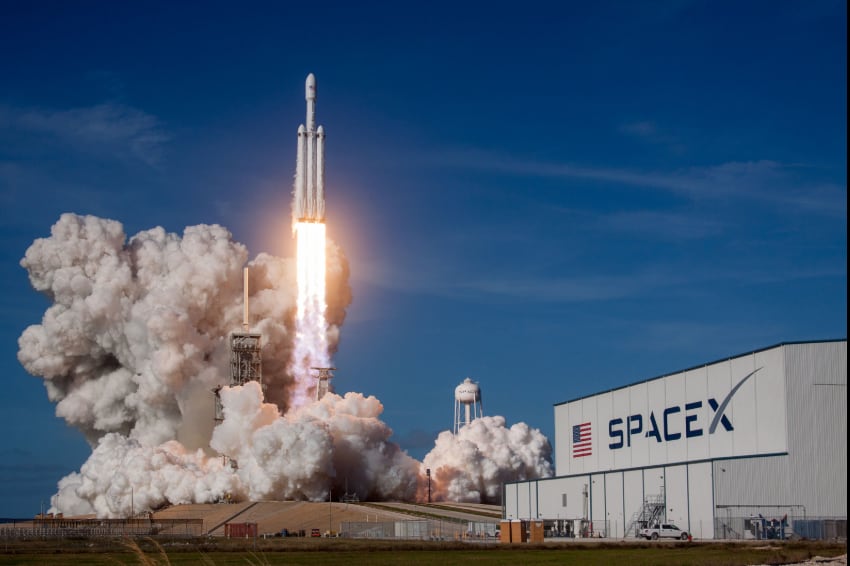
After the event, international media and social media platforms (SNS) were filled with expressions of dissatisfaction regarding NASA’s broadcast quality. The *New York Post* stated, “A $4 billion rocket, $4 camera work,” and highlighted feedback from passengers who mentioned that smartphone videos captured through airplane windows were more clear. SNS users frequently contrasted the difference in broadcast quality between NASA and SpaceX, with some proposing, “NASA should instead share well-edited footage later.”
These incidents demonstrate not only SpaceX’s advanced capabilities in real-time broadcasting but also indicate how the space sector, including rocket launches, has grown considerably more popular. In the past, space was mainly the area of specialists and governmental organizations, but SpaceX has turned launches into worldwide live experiences, involving the public and increasing anticipation. Experts believe this movement will speed up as SpaceX gets ready for its IPO and other private space companies continue to develop their technologies.




 jasdooit
Leave a comment