
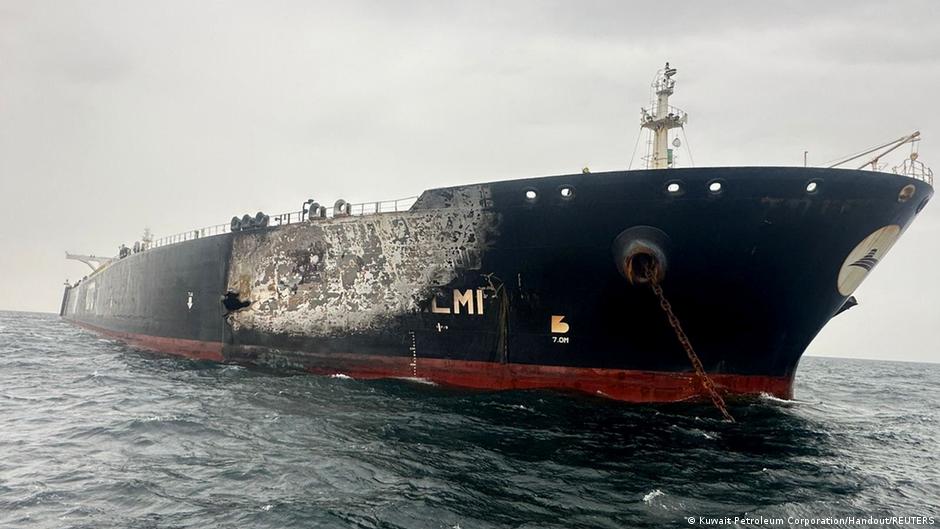
The UN Security Council is scheduled to cast a vote on a Bahraini proposal that would permit nations to employ “defensive measures” in order to ensure access through the Strait of Hormuz. latest updates.
The UN Security Council is set to cast a vote on a proposal sponsored by Bahrain, which would enable nations to implement various measures to ensure the reopening of Hormuz. President Donald Trump has shifted the responsibility of restoring access to the strait to countries that depend on it. US oil prices are increasing due to concerns about the escalation of conflict with Iran, reaching over $111 per barrel.
Here are the key events in the US-Israeli conflict with Iran on April 3:
UN Security Council to cast a vote on possibilities for reopening the Hormuz Strait
The UN Security Council is scheduled to cast a vote on a resolution proposed by Bahrain, which would permit nations to employ defensive measures, but not offensive ones, to ensure the safe passage of vessels through the Strait of Hormuz.
The decision, backed by six Gulf states and Jordan, follows global nations experiencing the effects of oil flow disruptions through the Strait, which transports a quarter of the world’s oil.
The Associated Press stated that the last version of the resolution, which they have access to, greatly reduces previous suggestions.
Earlier versions would have allowed nations “to use all necessary measures” — UN terminology that includes potential military action — to ensure passage and prevent efforts to disrupt international shipping.
The final version permits nations “to employ any defensive measures required and appropriate to the situation in the Strait of Hormuz and surrounding waters” to ensure safe passage and prevent efforts to disrupt international shipping “for a minimum duration of six months.”
The Security Council, which consists of 15 members, includes five permanent ones: the United States, the United Kingdom, China, France, and Russia. However, any of these five permanent members has the power to block a resolution in order to safeguard its own interests or those of its allies.
Russia and China had strongly rejected the earlier versions that permitted potential military operations.
For how long can Tehran’s unconventional approach remain effective?
Following years of sanctions and weeks of U.S.-Israeli airstrikes, the Iranian government is destabilized — yet remains highly capable of posing a threat to the region.
U.S. President Donald Trump has expressed a desire for a rapid conclusion to the conflict, yet Iran has demonstrated a reluctance to comply with his requests. However, for how much longer can they resist?
Read the complete story about Iran’s approach in the conflict.
Welcome to our coverage
Thanks for being here. Here are some key updates to keep you informed about the ongoing situation in the Iran conflict:
The UN Security Council will vote on a resolution proposed by Bahrain on Friday, which permits the use of defensive measures — but not offensive ones — to ensure safe international shipping through the Strait of Hormuz.
The vote follows over 40 nations participating in a UK-organized online meeting on Thursday to explore diplomatic and economic strategies aimed at compelling Iran to reopen the Hormuz shipping passage.
The Iranian Foreign Minister stated on Thursday night that attacking civilian infrastructure in Iran will “not force Iranians to give up.”
American attacks on a bridge being built, located just outside Tehran, injured at least 95 individuals, according to Iranian government news outlets.
Trump mentioned the attack on the B1 bridge, which he described as Iran’s largest, in a social media message stating “much more to come.”
Additionally, the price of US crude oil keeps rising, reaching over $111 per barrel, as optimism for a quick resolution to the conflict diminishes.

 jasdooit
Leave a comment