
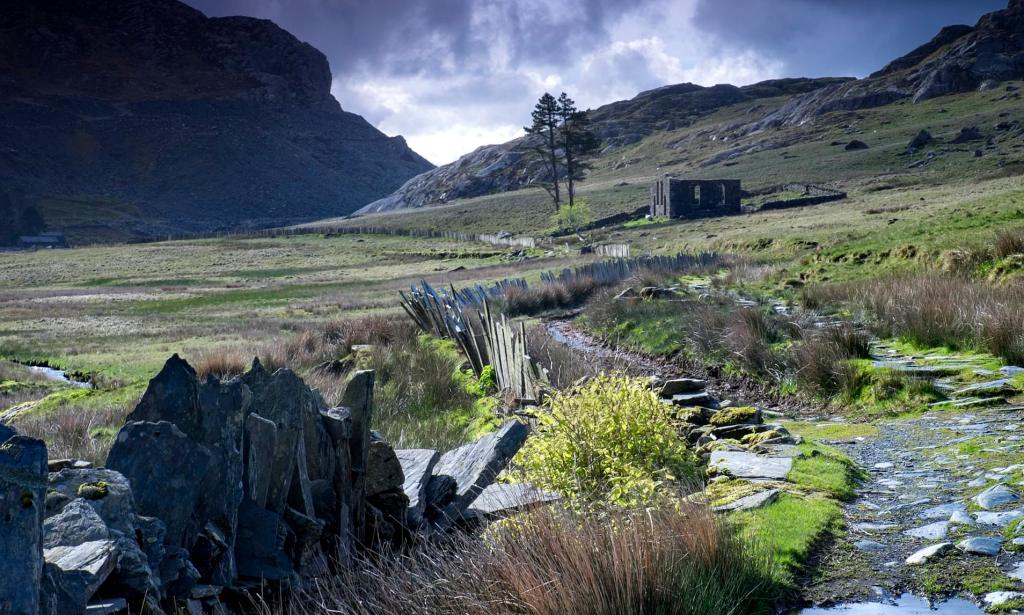
Hidden within Snowdonia National Park is a deserted village that has remained uninhabited since the 1940s.
Cwmorthin was a village known for slate mining, located close to Tanygrisiau in Gwynedd, with origins tracing back to the 11th century.
It once housed a lively population, but today the only people seen in the area are adventurous hikers.
Cwmorthin Quarry is situated close to a village that has been operational since 1810, and has played a crucial role in enhancing the local economy and offering employment opportunities to the residents over time.
The stone pit also linked up with the Ffestiniog Railway in 1860,Travel and Tour World reports.
However, circumstances altered when the slate industry declined following a drop in demand.
Due to minimal activity in the region, many residents departed, and Cwmorthin was largely deserted by the 1940s.
It has since been allowed to decay into ruins and theExpress recently referred to it as a ‘ghost village’.
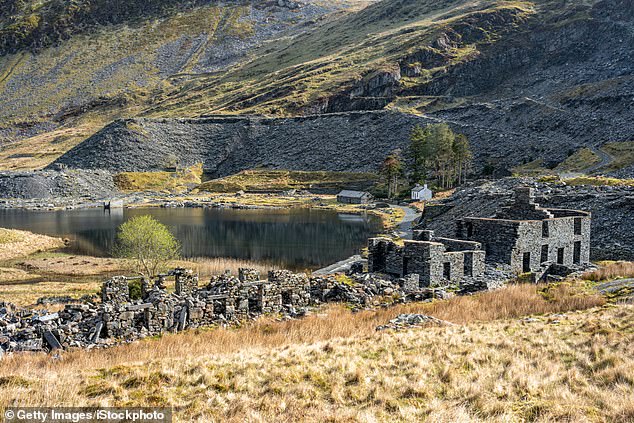
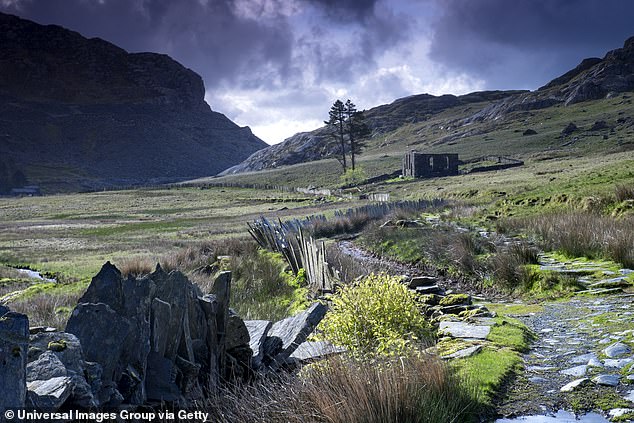
A well-known trail passes through Cwmorthin Quarry, Moelfryn Quarry, and the Llyn Stwlan Circular, covering a distance of 9.5km, as mentioned in the source.
Another popular nearby location is the Cwmorthin Waterfall – a tranquil spot to rest, offering numerous beautiful vistas.
It is advised to explore the region during the spring or summer seasons, when the climate is more temperate and less rainy, making it ideal for hiking.
The average temperatures usually range from 17 to 21 degrees during this period.
For travelers arriving by train, the closest stations are located in Blaenau Ffestiniog and Tanygrisiau, with the trip usually lasting approximately six to seven hours from London.
Near Ireland, there are two deserted islands.close to the cherished Emerald Isle, which boasts clean shores and numerous natural attractions to discover.
Situated near the rugged coastline of County Mayo, the Inishkea Islands are encircled by the fresh, transparent waters of the Wild Atlantic Way.
The two locations, known as Inishkea North and Inishkea South, derive their names from the 5th-century saint, Saint Kea.
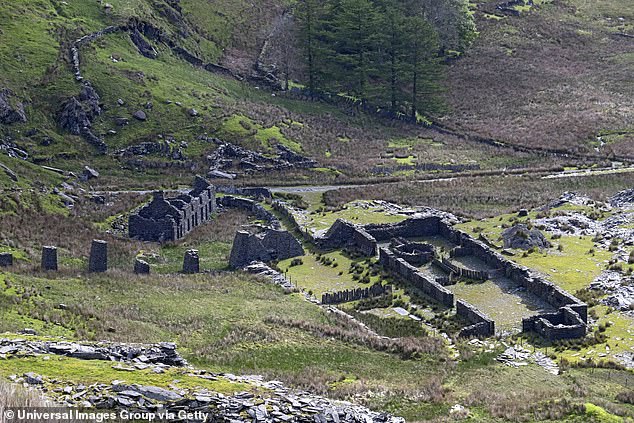
Both possess a deep historical background and continue to feature well-maintained stone structures along with early Christian landmarks.
However, even though the Inishkea Islands boast their natural beauty and untouched scenery, they are uninhabited.
The final residents of the islands left in the 1930s following the Inishkea Drowning that occurred in 1927.
A tragic event took place amid a severe storm that resulted in the deaths of multiple fishermen from the islands while they were at sea.
One of the key factors that prompted residents to depart the islands in pursuit of a more accessible lifestyle.
In the past, when the islands had a larger population, they housed more than 300 people during the 1800s.




 jasdooit
Leave a comment