
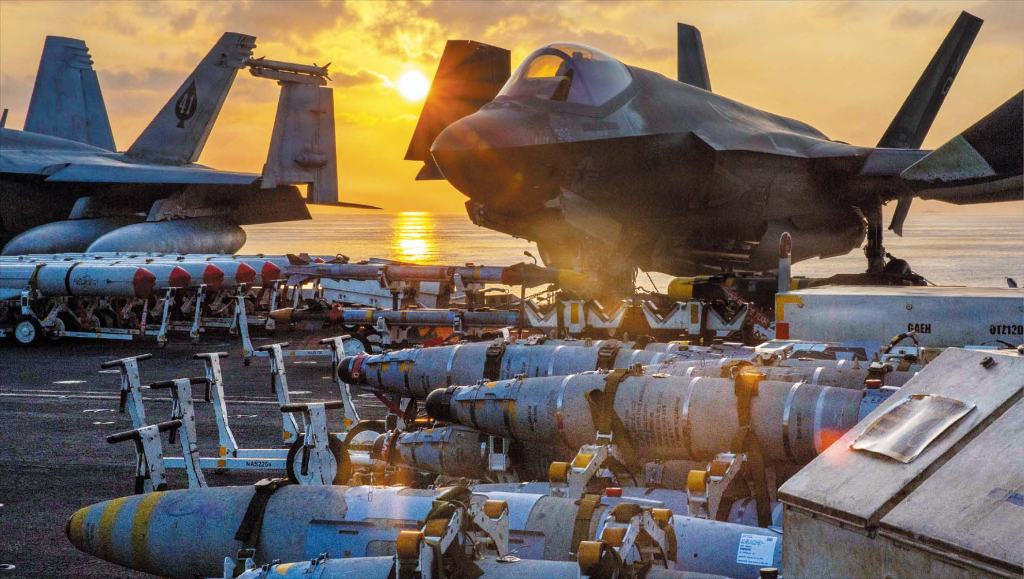
The United States has set next year’s defense budget at 1.5 trillion dollars (around 2,264 trillion Korean won), according to the conflict with Iran. On the 3rd, local time, The New York Times stated that the White House submitted a draft of the 2027 fiscal year (October 2026 to September 2027) budget proposal, which includes these figures. This amount reflects an approximate 40% rise compared to the current fiscal year’s defense spending, representing the highest level of military spending in modern history since World War II.
The U.S. Brookings Institution found that this defense budget would represent roughly 4.5% of the U.S. gross domestic product (GDP), marking the highest rise since the 1950s Korean War when taking inflation into account. U.S. military expenditures, which dropped to 13.5 billion dollars right after World War II ended, rose to 50 billion dollars with the start of the Korean War, and this recent increase is seen as similar in magnitude.
The White House asked Congress to handle 1.1 trillion dollars of the overall defense budget using standard budgeting processes and to obtain the remaining 350 billion dollars through a distinct legislative approach that was utilized last year for passing tax cuts. The White House stated that this action is intended to restock military supplies, including ammunition, and ensure combat readiness needed for the conflict with Iran. U.S. media also indicated that there could be an additional separate budget proposal submitted to acquire more funding for the war in Iran.
To obtain military funding worth 2,264 trillion South Korean won, the White House intends to reduce domestic agency program budgets for climate, housing, education, and other areas by roughly 10% from the previous year, summing up to 73 billion dollars. The 15 billion dollars designated under the 2021 Infrastructure Act for green energy and electric vehicle charging stations are also facing reductions.
On the other hand, the funding for law enforcement organizations, including the Ministry of Justice, exceeded 40 billion dollars, representing a 13% rise compared to this year’s amount, aimed at strengthening border control and the removal of undocumented immigrants. U.S. President Donald Trump recently mentioned during a private lunch, “The federal government shouldn’t be accountable for everything such as daycare centers, Medicaid, and Medicare,” emphasizing, “These issues should be managed by the states.” The Washington Post noted that this statement conflicts with his previous pledge during the campaign to preserve social security programs like Medicare.
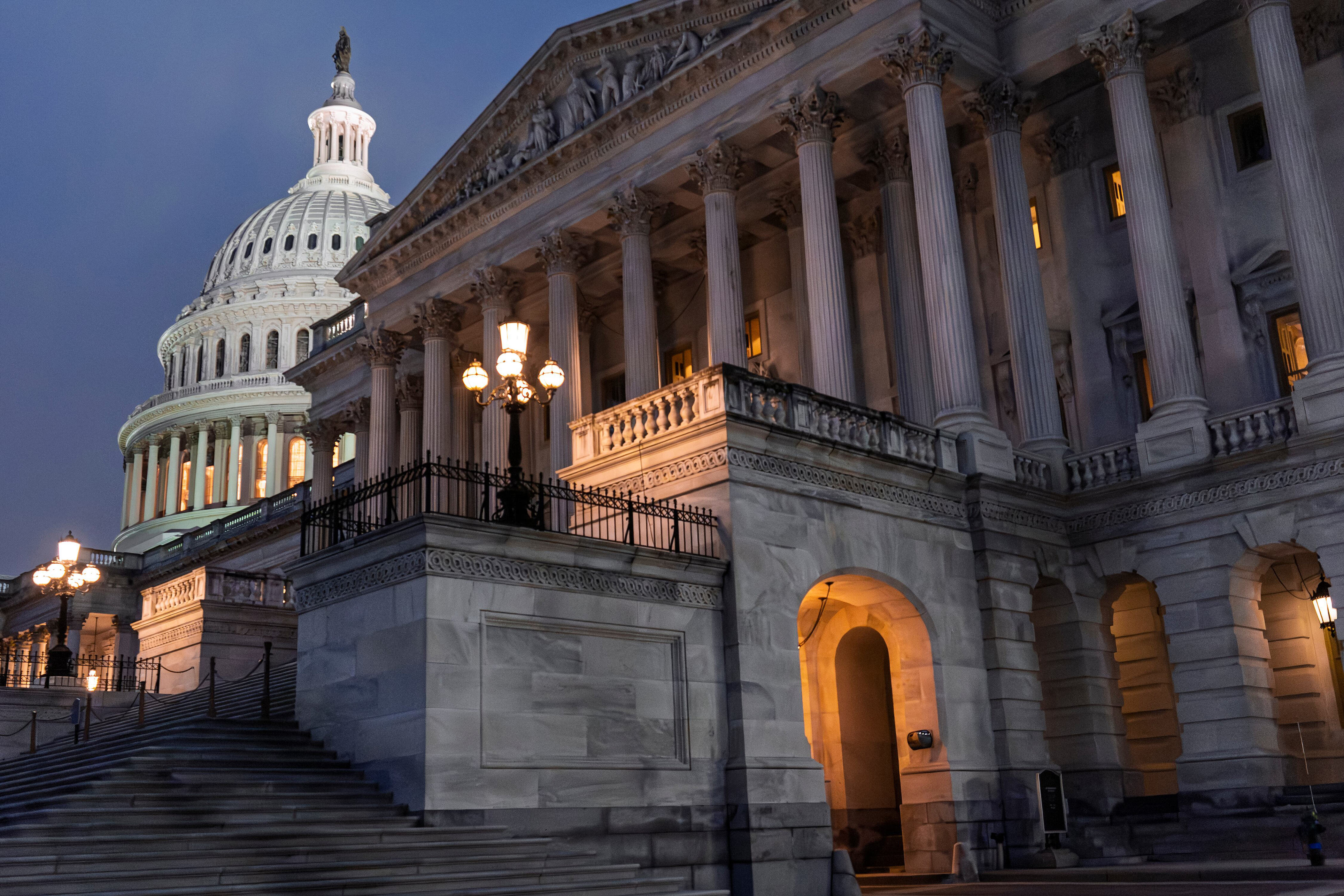
Nevertheless, it is still unclear if the White House’s bold budget plan will be approved by Congress in its initial form. Worry is growing among both political parties about the large rise in military funding and significant reductions in domestic allocations, further fueled by criticisms that the administration has not adequately informed Congress about the ongoing conflict in Iran, which has now entered its fifth week. The Committee for a Responsible Federal Budget (CRFB) cautioned that if military spending rises substantially without corresponding financial changes, the existing national debt of 39 trillion dollars could increase by more than 6 trillion dollars within the next ten years.




 jasdooit
Leave a comment