
- Do YOU have a tale? Send an email to sophie.carlin@.co.uk
- Receive your news directly by 7am – subscribe to our new Morning Mail newsletter at no cost
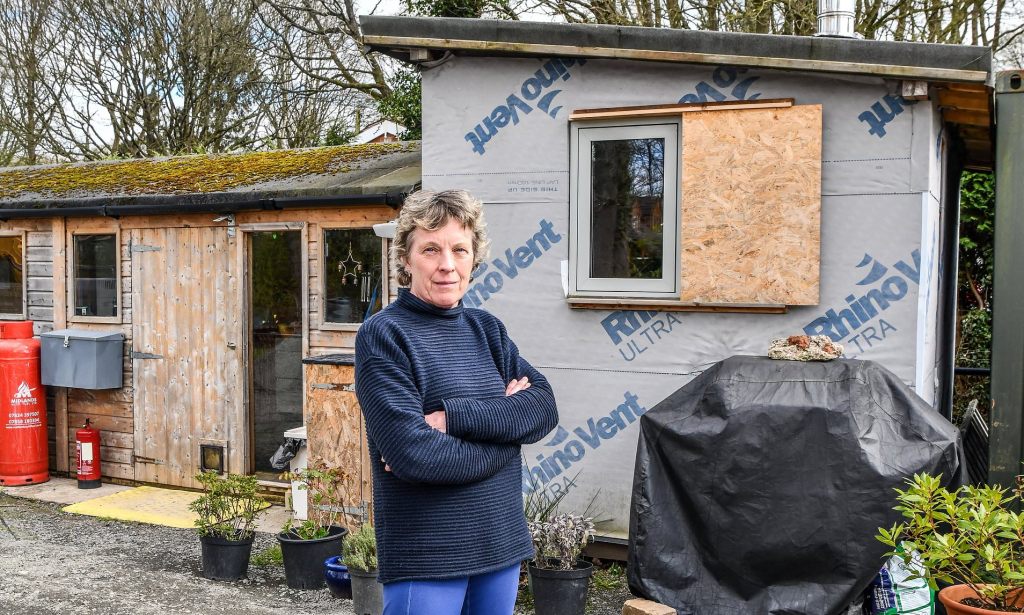
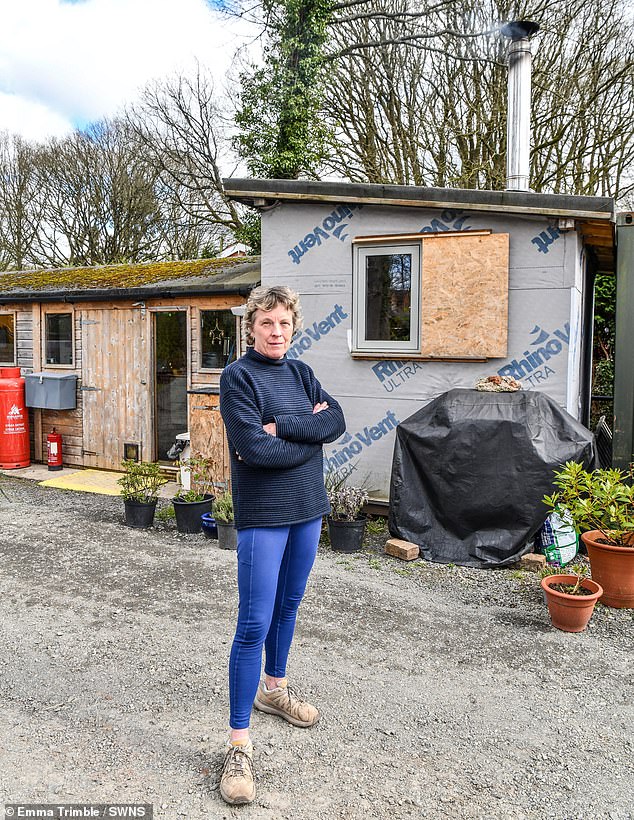
A pair has been compelled to reside in their shed for the past four years since their aspirations to construct their ideal home were thwarted by pollution in a river located 12 miles away.
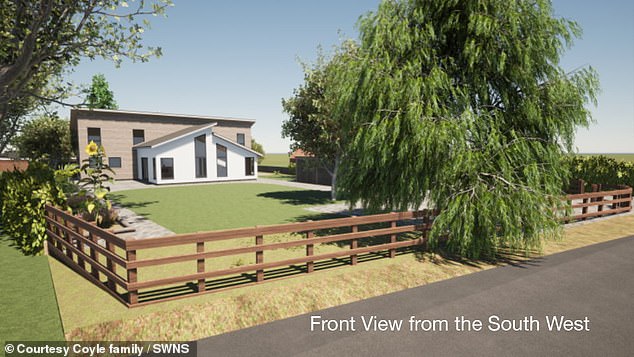
Jane Coyle, aged 64, and her husband Anthony, 67, filed proposals to construct a three-bedroom eco-friendly home in the village of Edwyn Ralph, Herefordshire, back in 2020.
However, the initiative was temporarily halted due to the council’s so-called Lugg Moratorium – a restriction on construction near the adjacent River Lugg to prevent additional pollution.
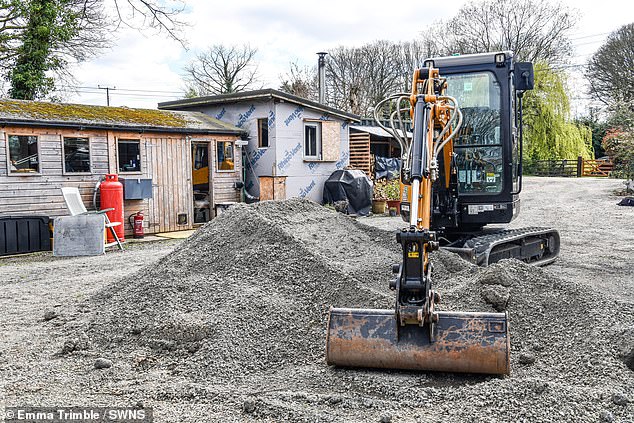
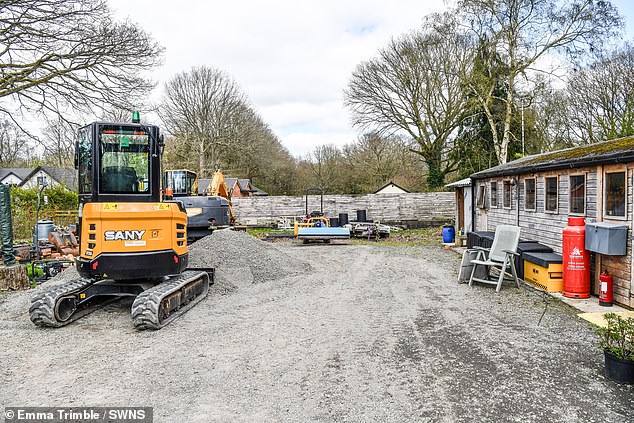
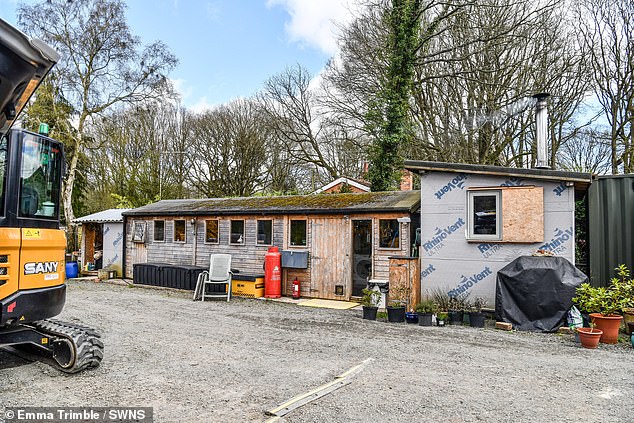
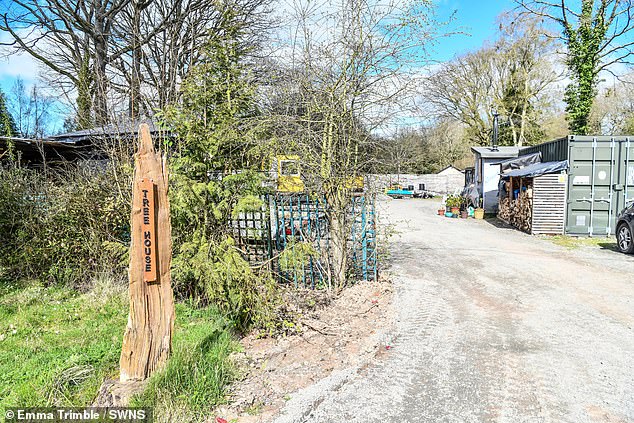
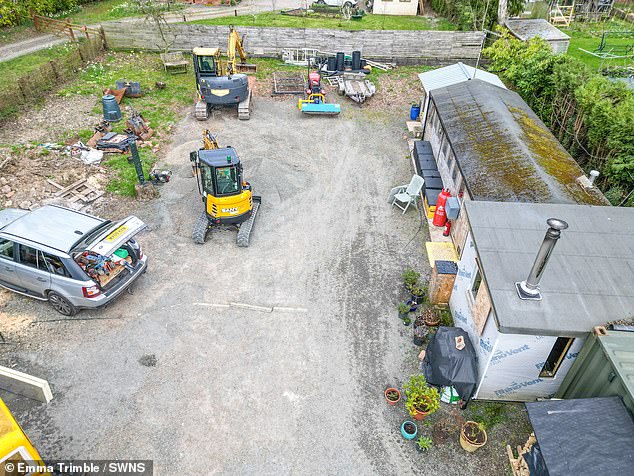
It forced the couple to reside in a small 6m (19ft) by 3m (9ft) garden shed adjacent to the location of their planned 250sqm home until they received approval.
However, officials from Herefordshire County Council declined to provide planning approval for the £370,000 property, which remained incomplete until last year.
The couple is now involved in the largest environmental legal case in the UK, as approximately 4,000 individuals across a wide region have been impacted by river contamination.
Mr. and Mrs. Coyle sold their six-bedroom farmhouse in the nearby town of Ross-on-Wye prior to purchasing a piece of land for £120,000 in 2018.
They had intended to invest an additional £250,000 in building their lifelong residence on the picturesque forest location before the project was abruptly stopped.
“We all support protecting waterways, but we’ve had to live in our shed without any real blame on our part,” Mrs. Coyle stated.
We purchased the piece of land from an individual who was authorized to construct a four-bedroom bungalow in 2018 and submitted our planning application for the design in 2020.
We collaborated with an architect for the design, which is cost-effective and mirrors the forest environment we are located in, incorporating wooden materials.
A freeze on certain activities was introduced in 2019 to stop additional nutrient contamination in the River Lugg, following the detection of elevated phosphate levels in the water.
However, the three-child mother, who is employed in property sales, mentioned that they were unaware of such a restriction existing—and council representatives did not inform them about it.
“We were told by our planning officer it would not take long, approximately eight weeks, and had no knowledge of this moratorium in September 2020,” she stated.
I recall a person in the local area, in a comparable situation, mentioning it could take them seven years before they were permitted to construct. I dismissed it with laughter—but they were quite close to the truth.
The strange part is that if we had been a few fields away, we would have been fine.
Residences located three-quarters of a mile along the road have been receiving approval to construct everything over the years.
So, since 2020, we’ve been in a state of uncertainty, unable to begin our construction. We relocated to a static caravan on the site and later moved into the garden shed in 2022.
It had been used to store our items, acting somewhat like a cupboard and a workshop, but we could no longer bear to live in the caravan.
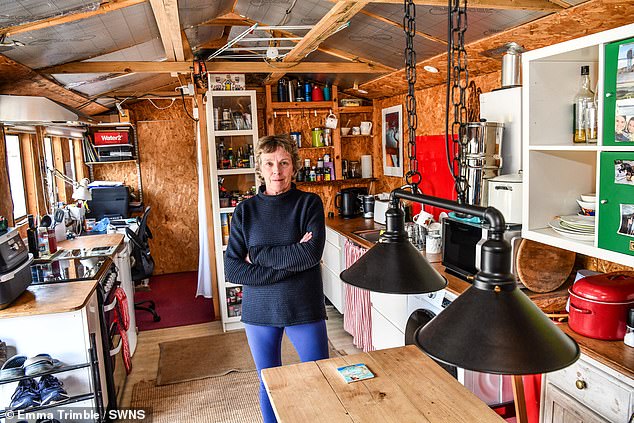
We’ve installed a log burner in there, it’s completely insulated, and we have a shower room along with a kitchen area.
But when our kids come over, they have to sleep in campers or tipis.
They caught us on a technicality, and we’re feeling really disappointed because this involves people’s lives. This was meant to be our permanent home.
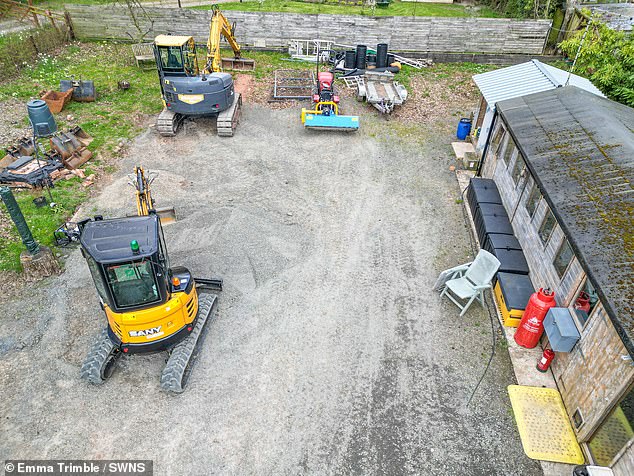
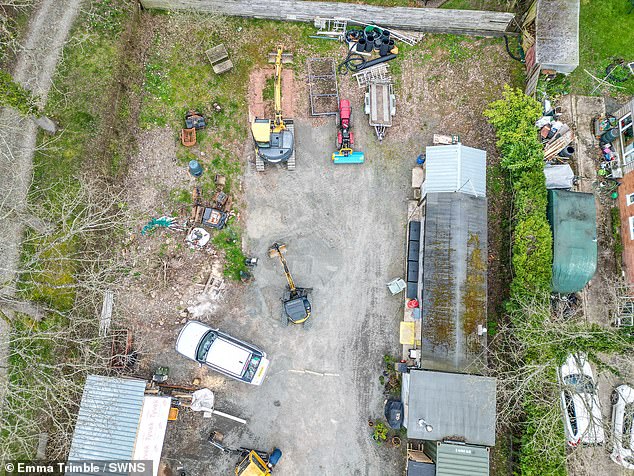
The couple has been unable to put up a Christmas tree since before the pandemic – and must store ‘all’ their ‘material possessions’ in a storage unit outside the shed.
They received planning approval last year following the acquisition of several thousand pounds’ worth of ‘phosphate credits’.
The initiative was established to mitigate the ecological impact of projects near the river and will involve using the funds to develop a wetland area.
Mrs. Coyle mentioned that their project has still not been without challenges: “We still need to settle £7,000 worth of phosphate credits before we can begin construction.”
But the quantity of phosphate we generate could fit in a test tube as you observe vast areas around you being coated with chicken waste.
This has been the problem – there are poultry farms throughout the Herefordshire-Welsh border area, and they continue to receive approval for increasing numbers of chickens.
This results in increased chicken waste and manure being injected into nearby agricultural land.
New housing represents a small portion of the issue, and we are involved in the legal process aiming to obtain compensation for our experiences.
The couple mentioned that the delays have led to ‘astronomically high additional expenses’ — and they continue to apologize to their neighbors about the look of the property.
Concerns regarding the incomplete state of the site have also prevented them from being away for long periods.
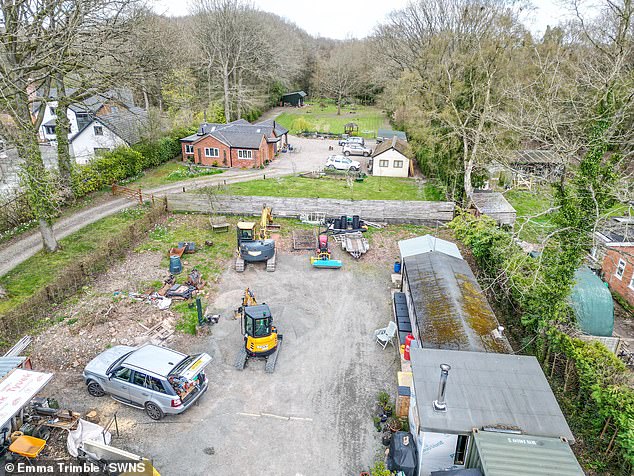
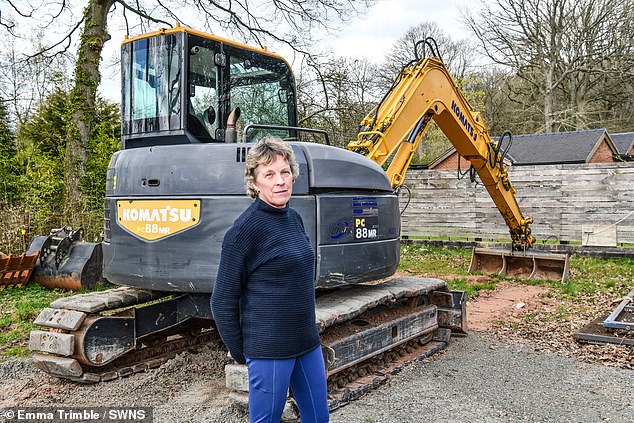
Mrs. Coyle mentioned that her husband is also currently too sick to perform the task: “It’s somewhat of a wasteland with a bulldozer there right now.”
“We are now required to spend between £400,000 and £500,000 by hiring a professional builder to complete the work we had planned to do ourselves years ago,” she stated.
We will be spending a considerable amount of money.
The legal firm Leigh Day has submitted a lawsuit at the High Court representing approximately 4,000 individuals impacted by “extensive and widespread” river contamination.
Individuals impacted by the Lugg Moratorium represent only a part of the larger population affected by polluted water sources in three rivers — the Lugg, Wye, and Usk.
The company is addressing poultry producer Avara Foods Limited and its subsidiary Freemans of Newent Limited, along with the utility provider Welsh Water.
It claims that river pollution has significantly impacted local businesses, property prices, and the enjoyment of the area since 2019.
The companies are charged with carelessness, resulting in private and public disturbance, and even unauthorized entry, as the riverbed on the claimants’ land has been impacted.
They are demanding ‘significant compensation’ – however, all the companies they are taking to court reject these claims.
The legal case claims that chicken farms contribute 66 percent of the nutrient pollution in the river – while new projects add less than one percent.
It also states that runoff from farmland using poultry manure, along with sewage releases, has caused significant pollution of the waterways.
Pollution, caused by elevated amounts of phosphorus, nitrogen, and bacteria, is reported to have led to algal blooms, unpleasant smells, and the death of fish and other animals.
And specifically, the Lugg Moratorium is reported to have prevented the construction of approximately 2,000 homes in the region.
Oliver Holland, a partner at Leigh Day, stated: ‘The worries of individuals affected by the Lugg Moratorium are ones we share, and through the legal action we will aim to make those suspected of wrongdoing answer for their actions.’
This case represents the biggest of its kind in British history, considering the number of people involved, the extent of the damage across different regions, and the overall amount of damages requested.
Individuals involved in the group lawsuit either reside or are employed near the rivers or frequently utilize them for recreational purposes such as swimming or kayaking.
Legal professionals are urging the court to mandate the purification of the rivers along with financial reparation.
Mr. Holland stated that the claim represented “the result of an exceptional effort by local residents and activist groups to investigate, track, and promote their rivers.”
“In a situation where the government and regulators have not been able to stop the decline of our rivers, the court has turned into the final option for justice,” he further stated.
The River Wye travels 155 miles, starting in the Cambrian Mountains of central Wales, running along the border with England, and finally reaching the Severn Estuary.
The Lugg is a significant tributary of the Wye River, flowing primarily across Herefordshire.
The River Usk passes through the Brecon Beacons and the Blaenavon Industrial Landscape World Heritage Site on its way to the Bristol Channel in Newport.
Each of the three rivers is safeguarded because of the variety of endangered animals that live there, including otters, freshwater pearl mussels, and Atlantic salmon.
Wildlife filmmaker and primary plaintiff, Justine Evans, stated that she has observed a ‘significant decrease’ in the health of the Wye in recent years, according to theBBC.
The previously pristine waters, she remarked, have become dirty and slimy: “It’s terrible to consider what has happened to the animals that live there.”
Previous Olympic swimmer Roland Lee relocated to reside close to the river in order to engage in open-water swimming.
“But I would genuinely advise people not to enter,” he said.
Another individual, Gino Parisi, from Raglan, Monmouthshire, mentioned his concerns regarding the current condition of the River Usk, which he described as once ‘beautiful’ and where he spent his childhood.
The water is now polluted, murky, and frothy, he stated, making him no longer willing to swim in the river due to worries about his well-being.
Environmental activists faced a significant legal defeat in 2024 when they lost a prominent case against the UK government concerning pollution in the Wye.
Officials in Westminster and Cardiff Bay have established a shared £1 million fund to examine the origins of pollution in the river.
A representative from Welsh Water stated that, as a non-profit organization, the fees it can impose for services are controlled, which restricts the money available for infrastructure development.
“Over the last five years, we have allocated £70 million in funding to enhance our locations along the Wye River,” they stated, noting that this was accomplished before the deadlines set by regulators.
The representative also mentioned that £33 million in financial support had been allocated for enhancements along the River Usk.
They added: ‘Regrettably, water contamination from other industries during this time has risen considerably, diminishing the total effect of the water quality enhancements we have managed to accomplish.’
They claimed they plan to protect the case vigorously.
A representative from Avara stated that the company has “taken more action than any other poultry business to address worries and to assist in efforts to foster comprehension regarding the intricate issue of river health.”
They claimed there are “no scientific studies or data that point to Avara Foods or our broader supply chain as a contributor to the river’s condition.”
The representative mentioned that scholarly research has pointed out additional elements not connected to Avara.
They added: “No manure is kept or applied on poultry farms that provide Avara Foods, and when poultry manure is utilized as fertilizer, it is for different crops within other agricultural industries.”
The company stated that individual farmers are accountable for the way nutrients are applied in their crop production and for adhering to the rules that regulate their usage.
The company, which mentioned that it has approximately 1,500 employees in the Wye region, stated that it also worries about the river’s condition.
But it stated that its poultry is raised “to standards that are among the most rigorous globally.”
“Instead, the emphasis should be on solutions that enhance the river’s health, tackling all types of pollution and the impacts of climate change, and taking appropriate action,” it stated.
The Herefordshire County Council has been contacted for a response.




 jasdooit
Leave a comment